IT Leaders
4 pieces on building AI-native software.
-
 Draft
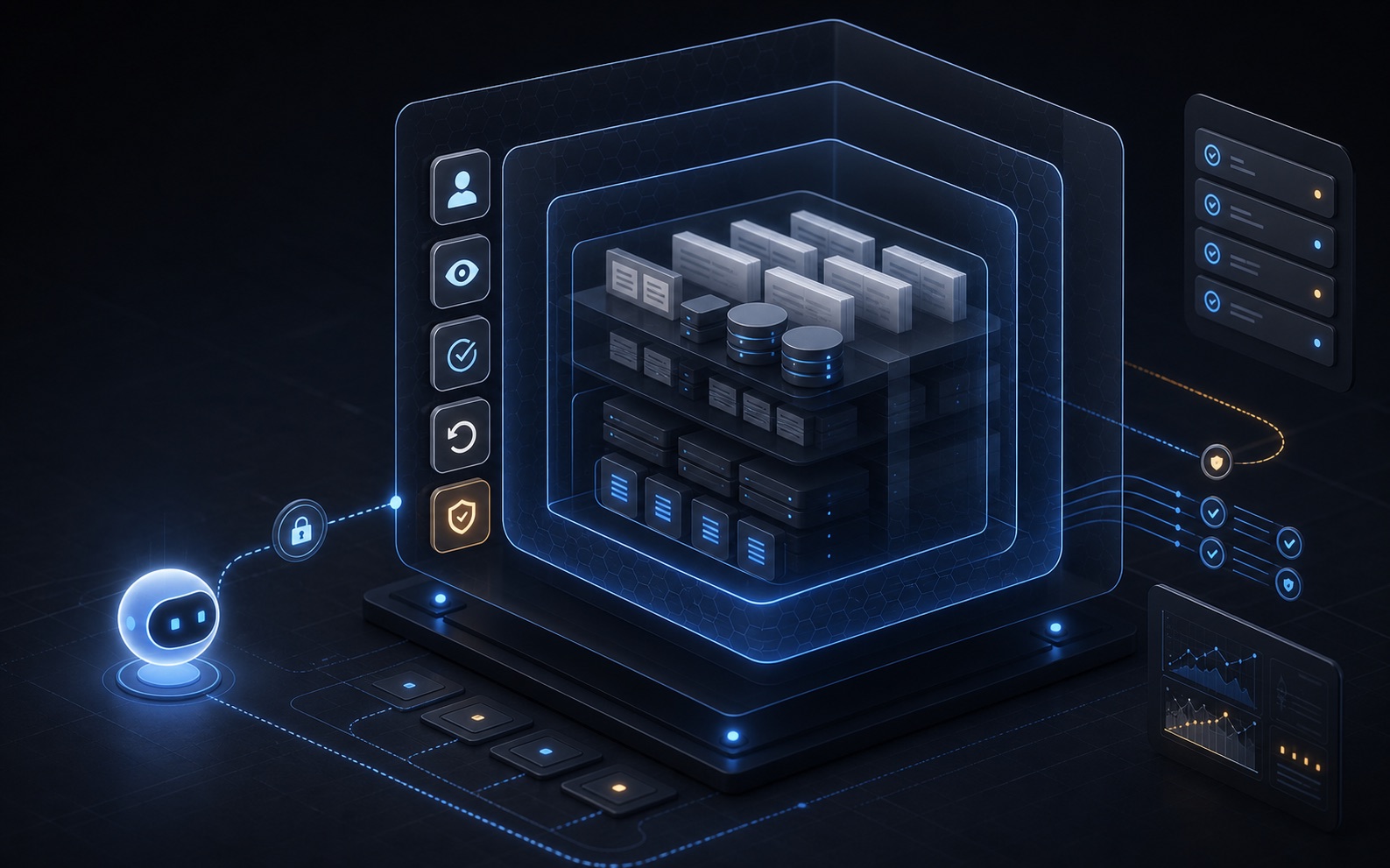
DraftHow AI Agents Work Inside Enterprise Permission Boundaries
Enterprise teams do not need AI agents to become super admins. They need agents that act as controlled users, inherit permissions, route risky actions for approval, and leave an audit trail.
Security & Governance IT Leaders AI AgentPermissionsData SecurityAudit -
 Draft
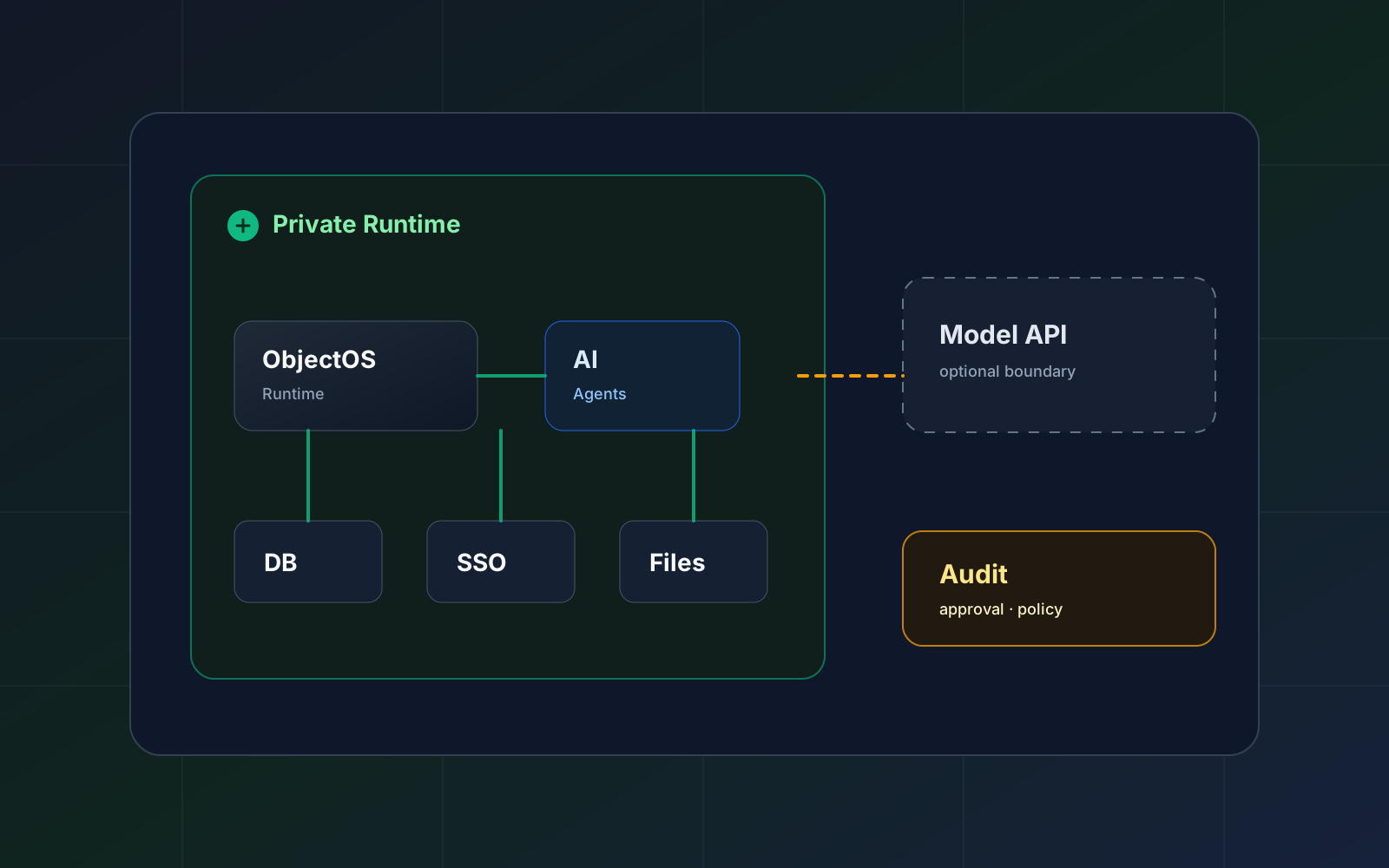
DraftWhy Enterprise AI Application Platforms Should Be Self-Hosted First
Once AI reads business data, triggers workflows, generates applications, and calls tools, enterprises need control over the runtime that governs objects, permissions, tools, approvals, and audit evidence.
Security & Governance IT Leaders Self-hostedPrivate DeploymentData SecurityAI Governance -
 Draft
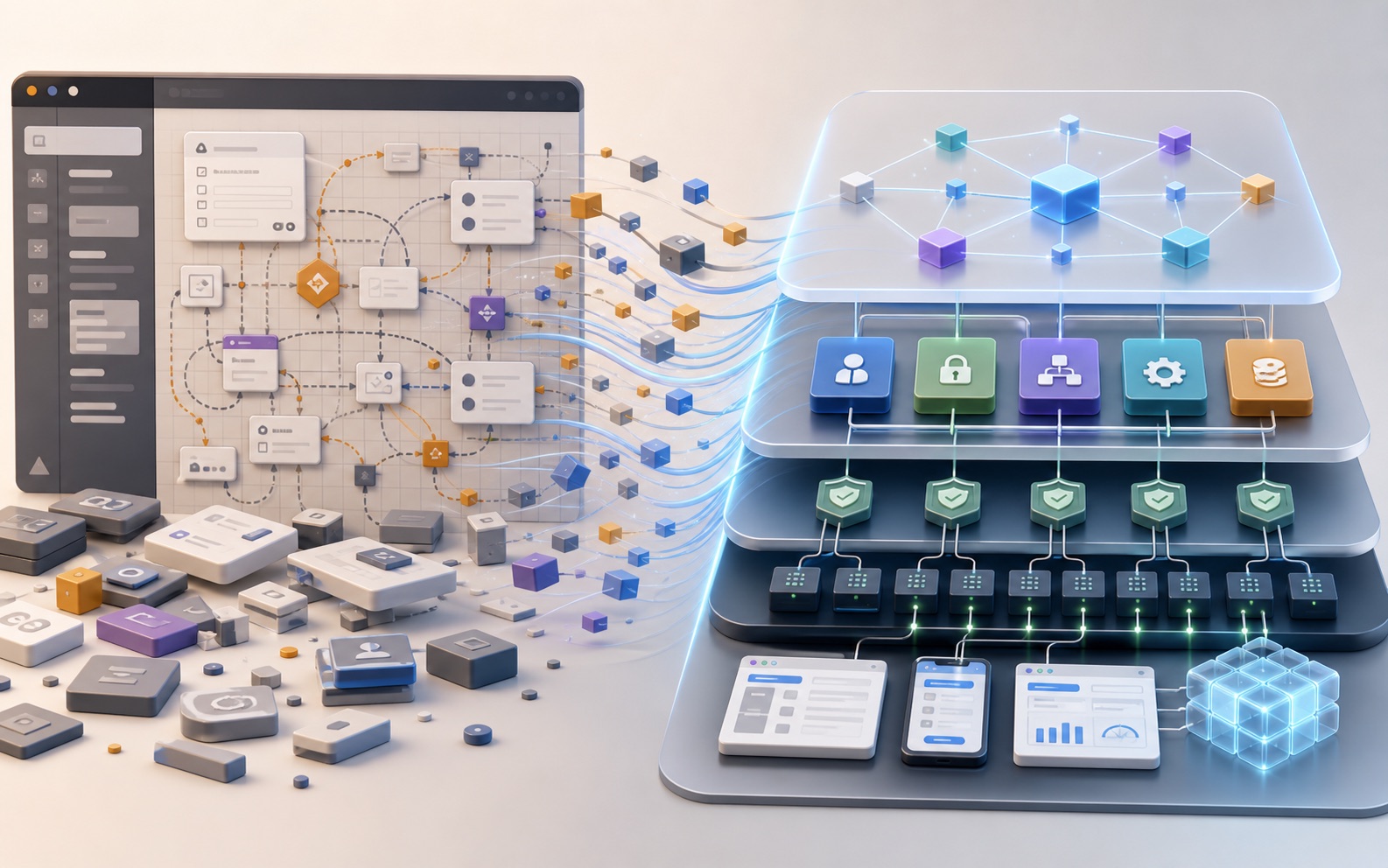
DraftWhy Low-Code Breaks Down in Complex Businesses, and What Makes an AI-Native App Platform Different
Low-code helps teams build pages and workflows faster, but complex business systems are constrained by objects, permissions, integrations, change, and maintainability. AI-native platforms solve a different layer of the problem.
App Development IT Leaders HR & Internal AppsCase Management Low-CodeAI-NativeApplication PlatformArchitecture -
 Draft
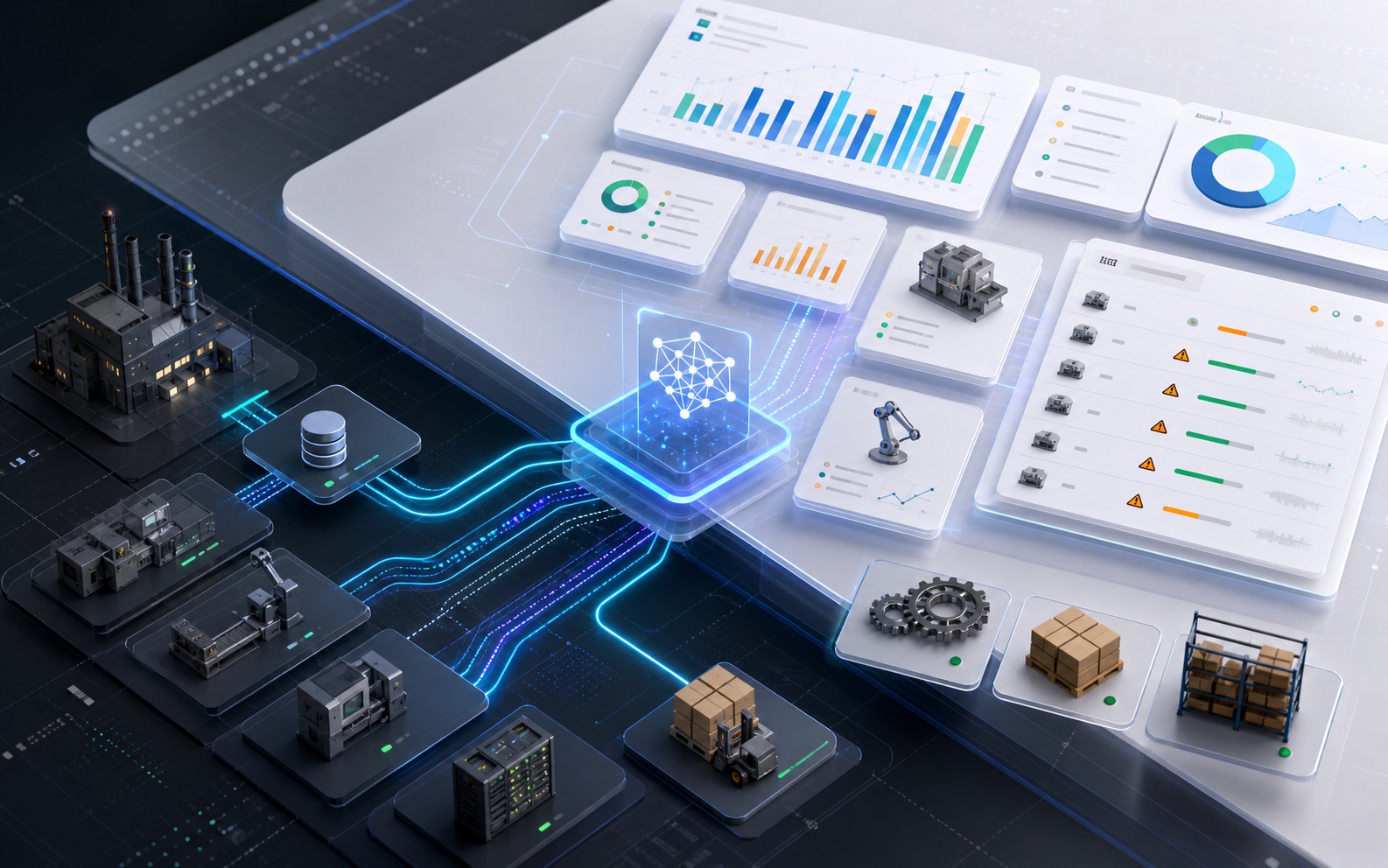
DraftHow Manufacturing Teams Can Connect AI to Legacy Systems: Start with Reports and Work Orders, Not ERP Replacement
Manufacturing systems are often old, heavy, and difficult to replace. ERP, MES, WMS, equipment records, and work order systems need to keep running. A practical AI path starts by connecting existing systems and focusing on reports, work orders, and exception analysis.
Integration & Data IT Leaders Case ManagementSupply Chain & Procurement Manufacturing ManufacturingERPWork OrdersAI Adoption