ObjectOS Community, Cloud and Enterprise
The ontology is the software
A platform to build and govern business applications with AI.
One executable business ontology. AI writes it, the runtime runs it, agents operate it, you own it.
- Executable
- The runtime runs it
- AI-writable
- AI writes it
- Agent-operable
- Agents operate it
- You own it
- Ordinary ObjectStack metadata; export to the open runtime is planned
How business teams use it
What AI takes on for each team, and what a person still approves
Customer service
AI classifies each ticket, matches knowledge articles and drafts replies with citations; agents confirm what is sent, and a flow approval step can hold refund or compensation replies for a manager’s sign-off.
See the scenario →Finance & procurement
AI checks expense claims against policy and budget and, with supplier and delivery data connected, flags supplier risk before a purchase is approved; finance and procurement approve with the evidence in front of them.
See the scenario →Sales
Reps update the CRM in plain language and AI preps the next account meeting; every suggested record change waits for the rep to confirm it.
See the scenario →AI in the product
Ask, change, and build in plain language. You see the source and confirm the change.
Built into ObjectOS Cloud and Enterprise (a preview on Enterprise). The AI works with the permissions of the person using it, so it never sees more than they can.
Developers: connect your own agent over MCPAsk: every number shows its source
Ask about your business in plain language. Each answer says where its numbers come from — the object, the filters, what was measured, and how it was grouped — and links to the records behind it. It reads only what the person asking is allowed to see.
AI edits wait for you
When you ask the AI to add or change a record, it proposes the change and shows the old and new values. Nothing is saved until you confirm, and then it runs with your permissions. The in-product AI changes one record at a time; it cannot delete records or edit them in bulk.
AI builds the app
Describe the app or the change you need. The built-in Builder drafts the objects, fields, views, and workflows; a change to a live app that already holds records is saved as a draft until a person publishes it.
How it connects to what you run
Keep the systems that work. Add a governed runtime for agents.
Enterprise AI does not need another rebuild project or another pile of generated code. It needs one definition agents can write, humans can review, and a runtime can govern across legacy systems, new applications, and AI agents. Your objects and fields, relations, actions, permissions, flows, and agent and tool definitions are that definition — your business ontology: open, versioned, and yours, not an asset locked inside someone else’s platform.
What an executable business ontology is- 01
Give agents a business model
Model customers, orders, equipment, cases, and approvals as objects agents can read, relate, and act on.
- 02
Extend what already runs — read-only first
Federate a database you already run as an external datasource and model its tables as objects. Federation is read-only by default and early: the system of record keeps writing the rows, and writes are enabled deliberately, per object.
Security and governance
Keep data in your network. Let AI work inside permissions.
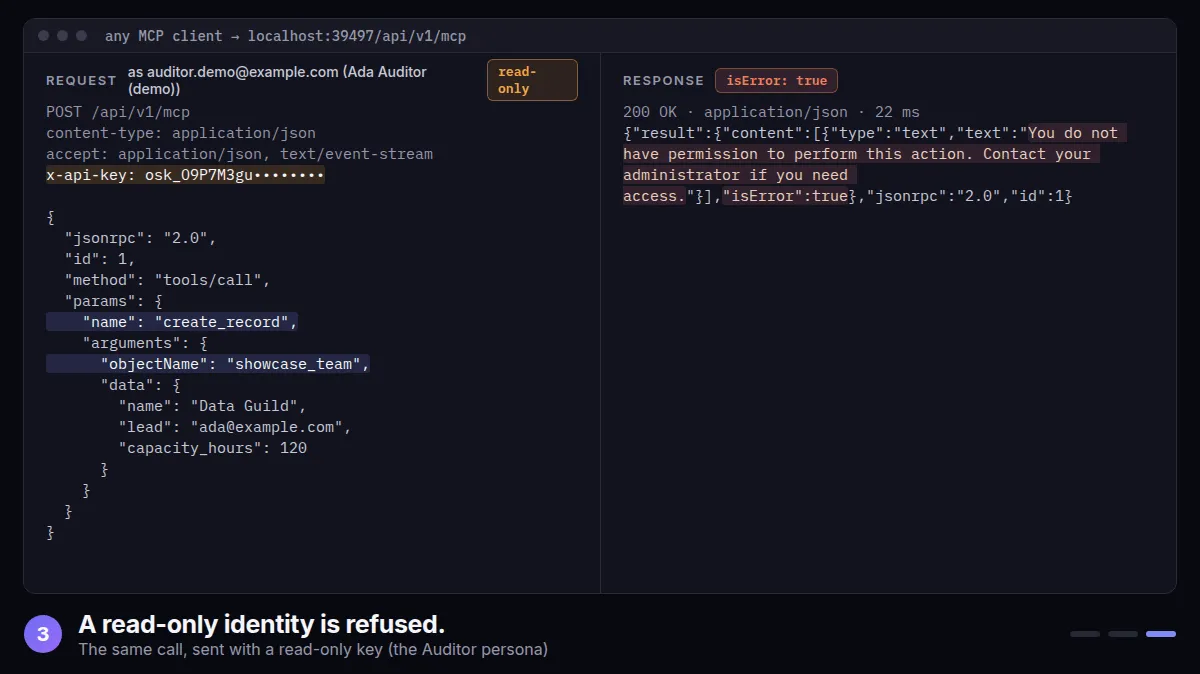
ObjectOS Enterprise can deploy and operate ObjectStack apps on your infrastructure. Business records, identities, audit logs, and files stay under your control; AI agents access objects through governed tools and inherit the signed-in user’s permissions.
Explore security and governance →Data residency
Connect your databases and storage; records, identities, audit logs, and files stay there.
Permissions for people and AI
Agents act as signed-in users and obey object, record, and field permissions, so they cannot see data the user cannot see. On Enterprise, record visibility can also follow your organization’s hierarchy: a person’s own unit, their unit and the units below it, or their own records and those of their reports.
Approval and audit
AI changes to a live app that holds records wait as a draft until a person publishes them, and flow approval steps put business decisions in front of an approver. Record reads and writes and permission changes can be audited; per-call audit of the in-app AI’s tool calls is part of AI governance on Enterprise.
Runs on your infrastructure
ObjectOS Enterprise runs inside your network as one Node.js runtime with your database, secrets, and ingress: in a VPC, on local servers with Docker or your own platform, or air-gapped with offline container images, local models, and internal identity.
Editions and comparison
Choose an edition. See how it compares.
ObjectOS comes in three editions: ObjectOS Community, open source and free to self-host; ObjectOS Cloud, hosted in the browser with nothing to install; and ObjectOS Enterprise, self-managed on your own infrastructure. Your ontology is ordinary ObjectStack metadata. Exporting it from ObjectOS Cloud or ObjectOS Enterprise to run on the open-source ObjectStack runtime is planned.
Compare editions and pricing Built on the open ObjectStack protocol
vs Airtable
A real database with server-side logic and runtime governance — not a spreadsheet-style workspace.
Read the comparison →vs Retool
Business logic is reviewable metadata — not JavaScript scattered across screens.
Read the comparison →vs Lovable & Bolt
Agents generate governed metadata with schema and permissions — not a one-off codebase.
Read the comparison →Latest insights
Practical thinking on AI-written software
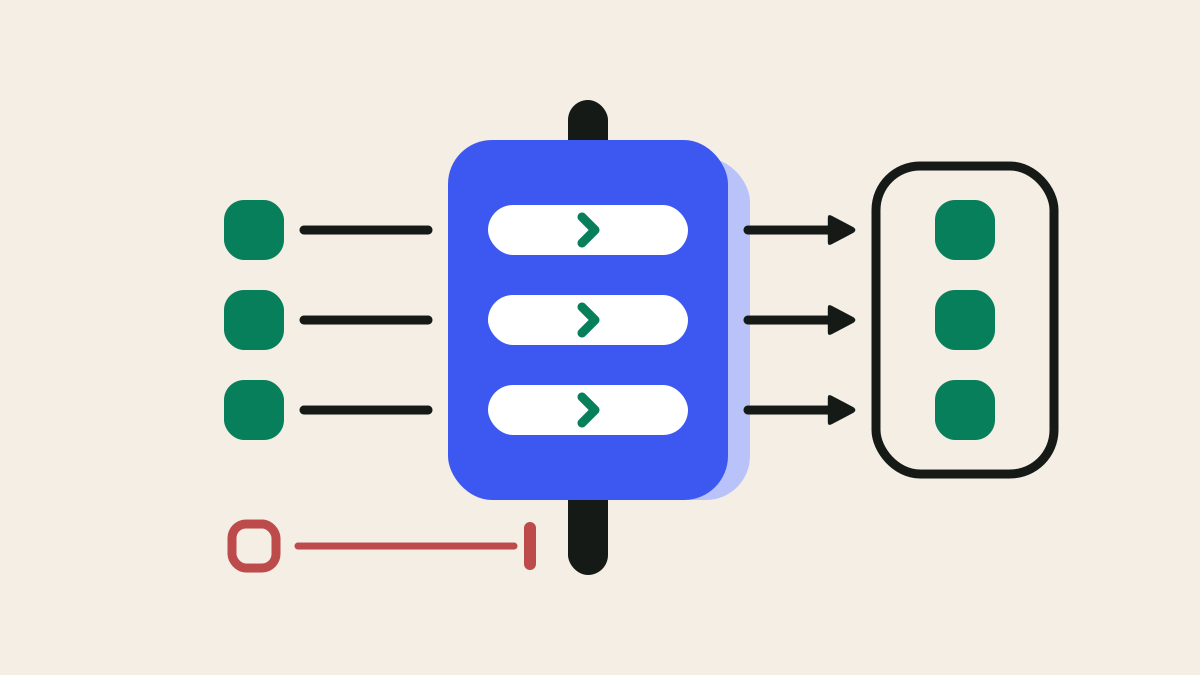
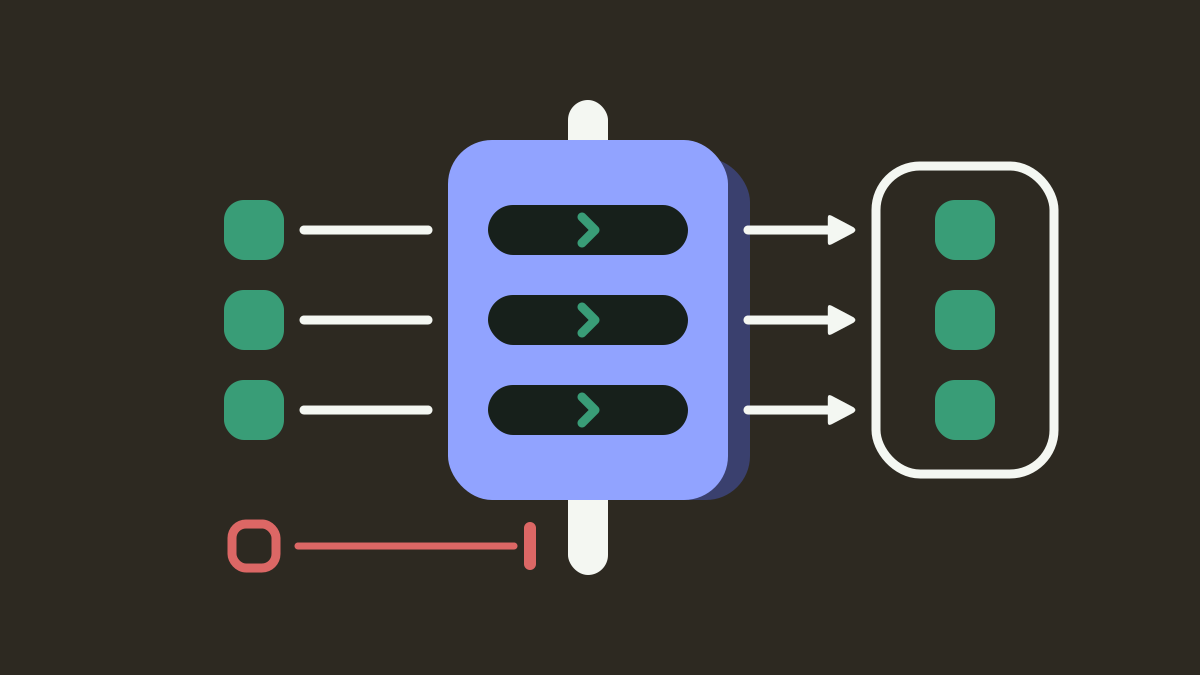
How Do You Let Anonymous Visitors Submit a Form Into a Governed Business App? One Public Door, Five Fields Wide
Since v17 anonymous data access is always denied. The one open door is a public form view: the runtime derives a grant from the form itself — five fields in, one row created, only its id back. Measured on 18.3.0.
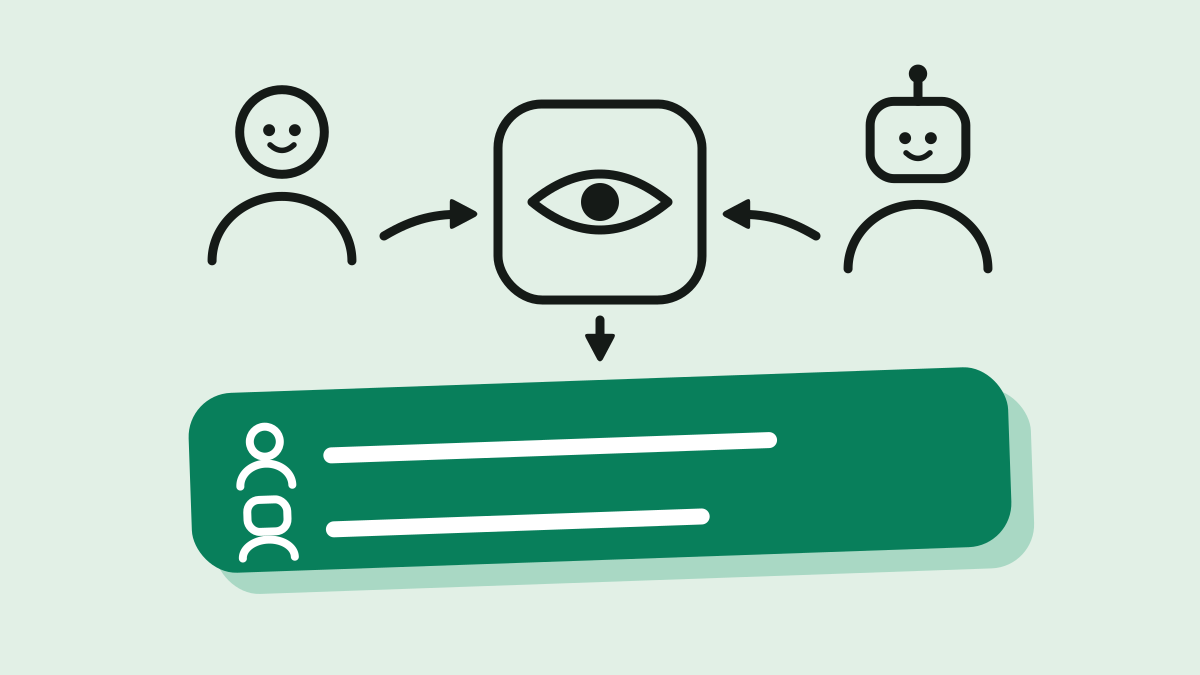
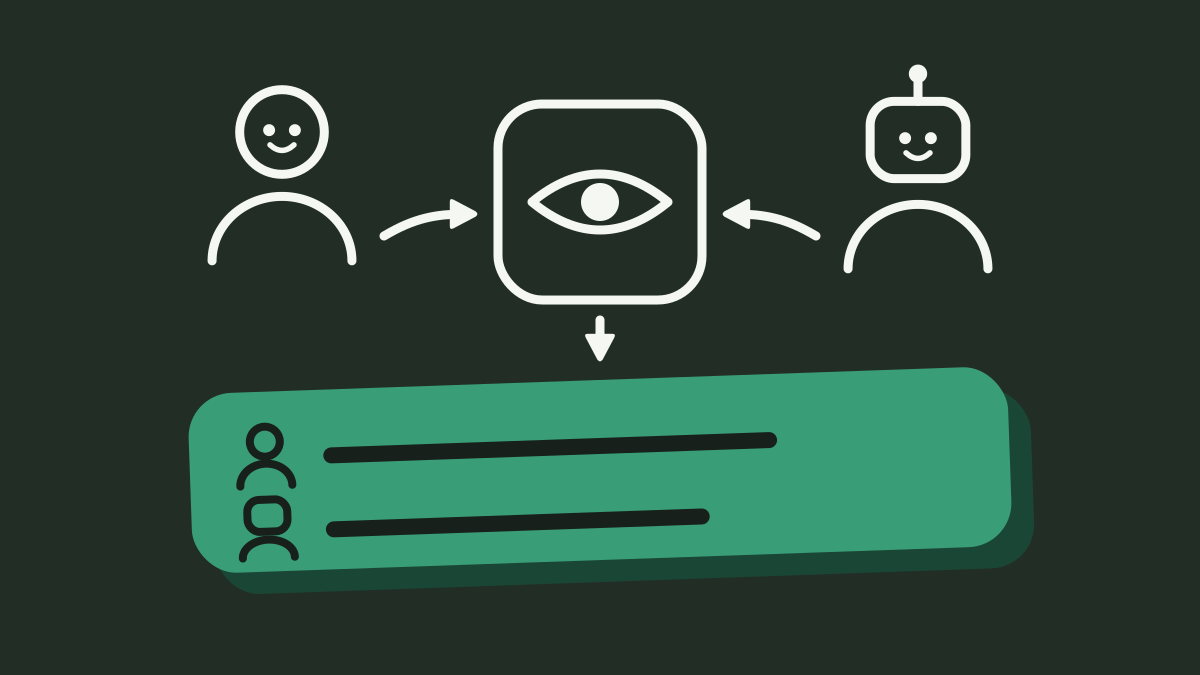
Can You Prove Who Opened a Customer Record, Including an AI Agent? Record-View Auditing, and the Four Things a View Row Never Records
On @objectstack/cli 18.3.0, a person's REST read and an agent's MCP get_record each left one read row in sys_audit_log; a list, an unlisted object and a refused read left none. What a row holds, and the four things it never does.
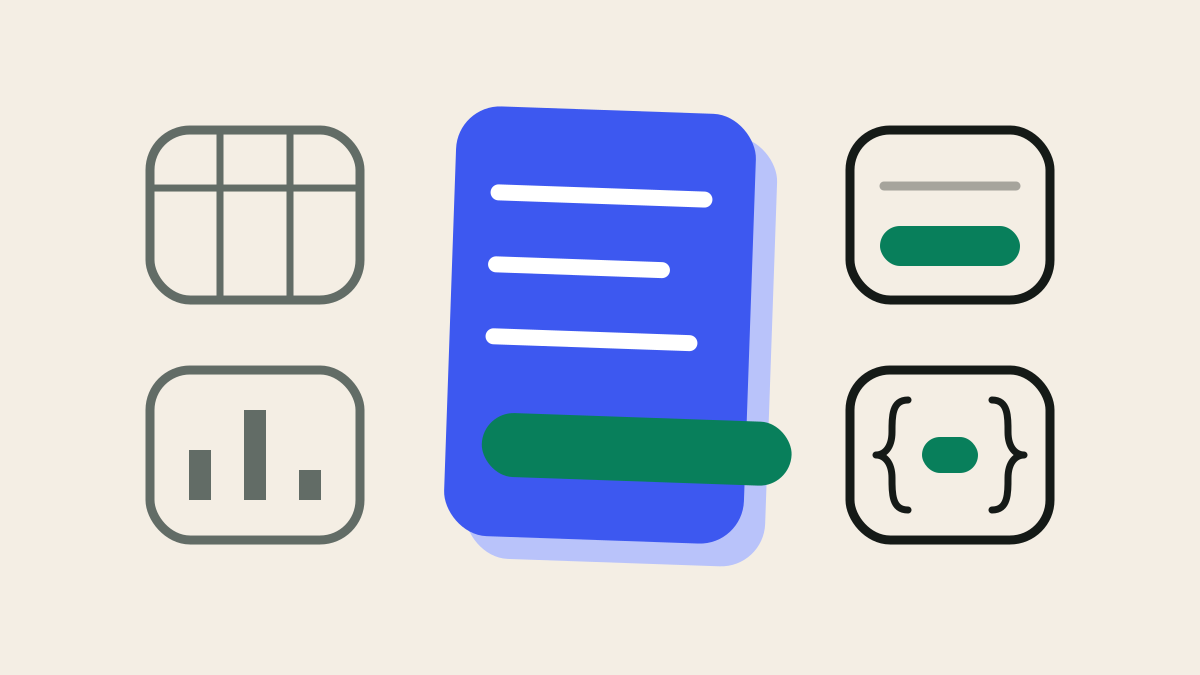
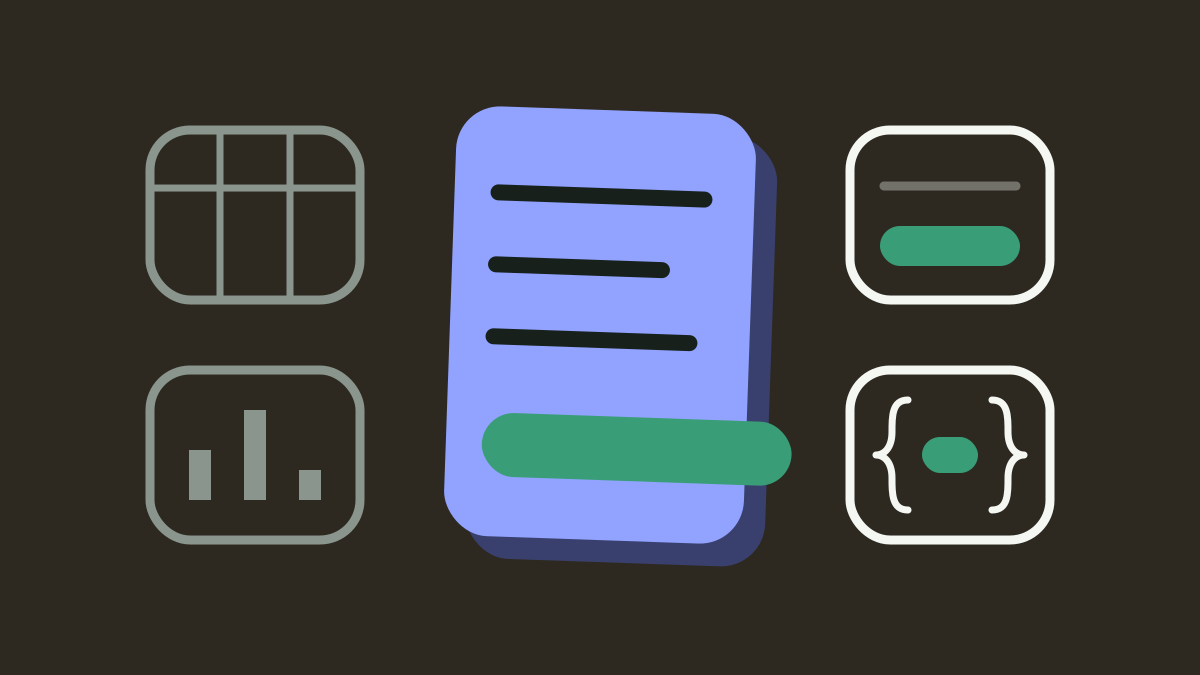
Views, Dashboards and Apps Are Projections of the Ontology: What That Changes for Review
Add one field to a bundled ObjectStack app: the table, REST API, MCP describe call and Console form follow by themselves; the pinned views, dataset and translation do not. The naming test says which is which.
Next step
See what AI can take on for your team.
Start free on ObjectOS Cloud with nothing to install, read how service, finance, and sales teams use it, or talk to us about running it on your own infrastructure.