AI & Agents
Articles about AI & Agents, with practical notes on executable business ontologies, governed data, application development, and agent workflows.
-
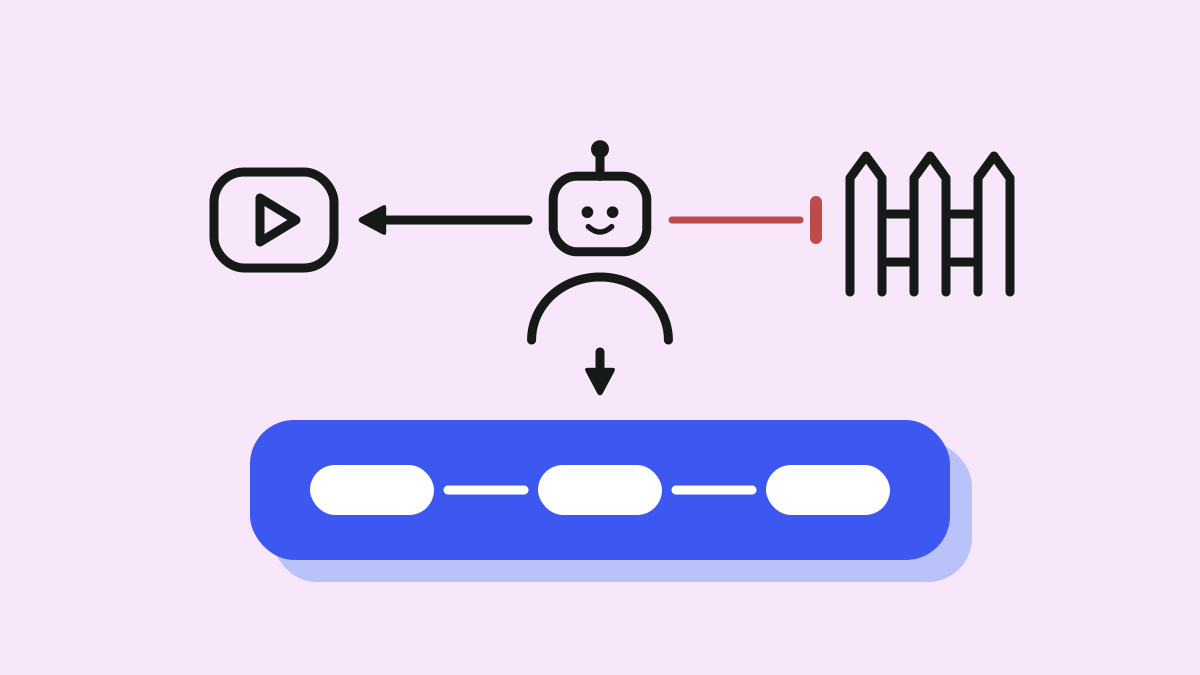
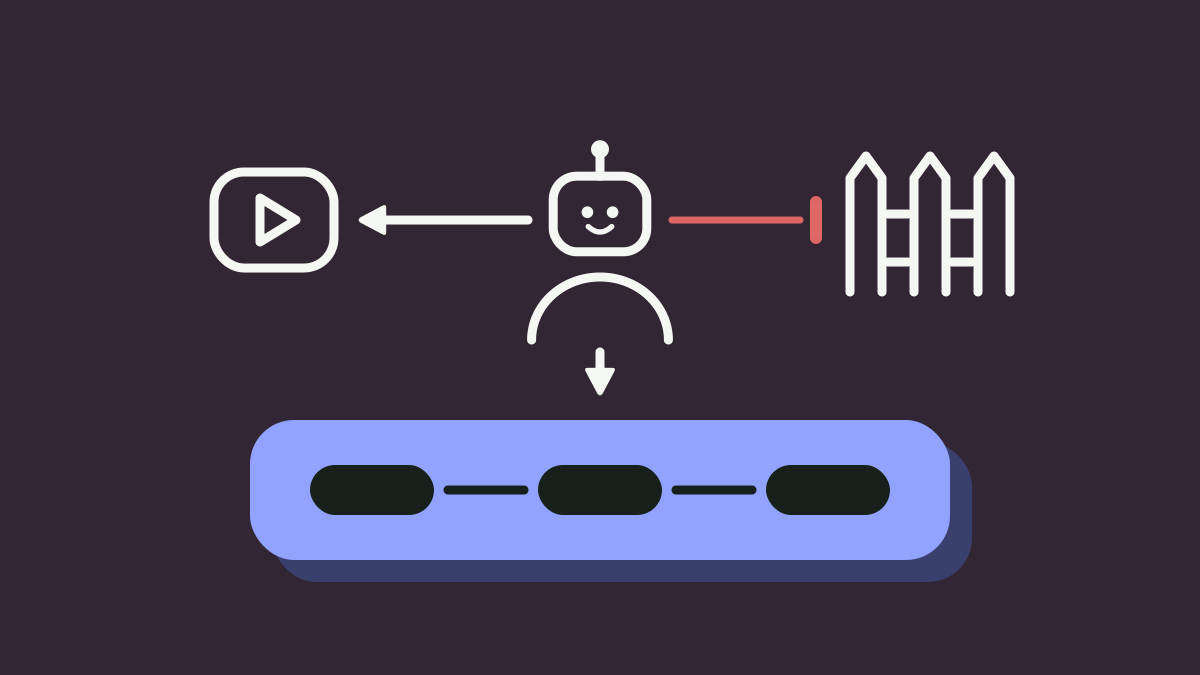
What Do AI Models Lack in the Enterprise? A World, Hands and a Fence
Not intelligence. In a company a model lacks a world to reason about, hands to act with and a fence around the acting. One executable business ontology supplies all three; a sourced table maps each to its runtime mechanism.
AI & Agents IT Leaders AI agentsExecutable business ontologyMCPAgent permissions -
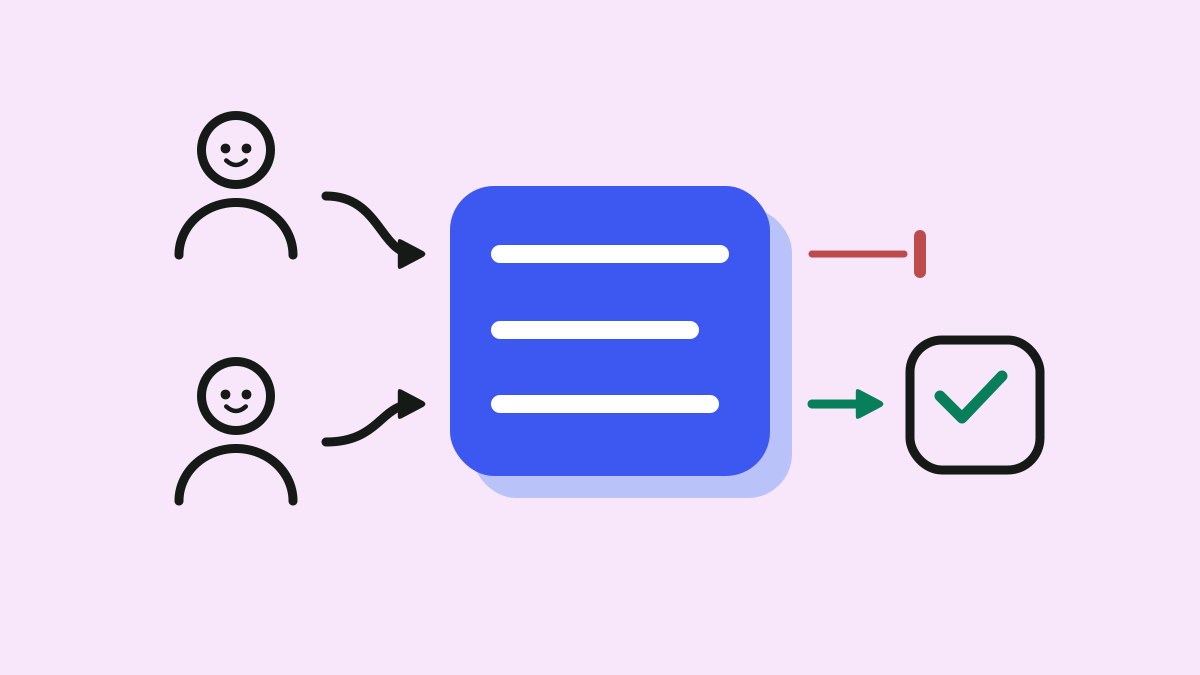
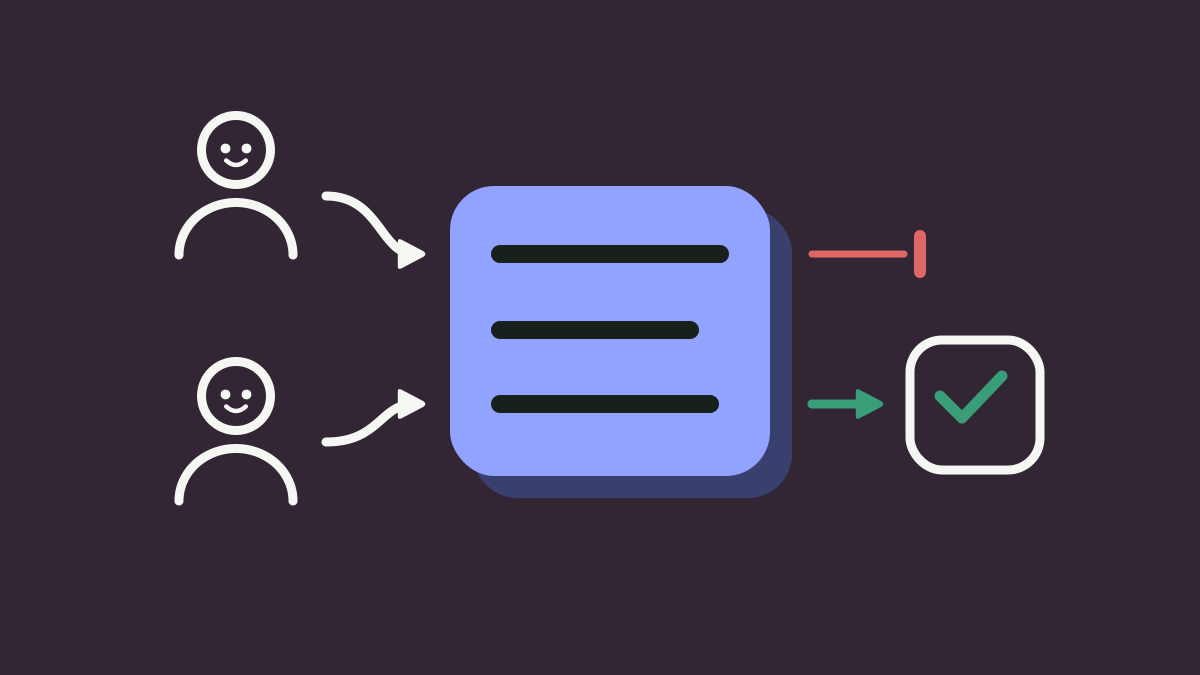
Agent-Operable Apps: When Every Object and Action Is an MCP Tool Under the User's Permissions
Agent-operable means the app is already an MCP server and the agent connects as a user. One run, two users, one action: the same twelve tools, and the permission decision made on every call, not on the list.
AI & Agents Developers AI agentsMCPAgent-operable -
What Makes a Business App AI-Writable? Typed, Validated, Reviewed, Governed
AI-writable is a property of the target, not the model. Four gates, one real run: three deliberate mistakes, 49 rules, three located errors, then a clean pass.
AI & Agents Developers AI agentsAI-writable -
The Ontology Is the Software
Enterprise software changed its interface three times and its user never. Agents are the first new user in forty years; what they need is not an API but an ontology the runtime runs, AI writes, agents operate and you own.
AI & Agents General OntologyAI agentsExecutable business ontology -
How to Configure Your AI Coding Agent to Write ObjectStack Apps
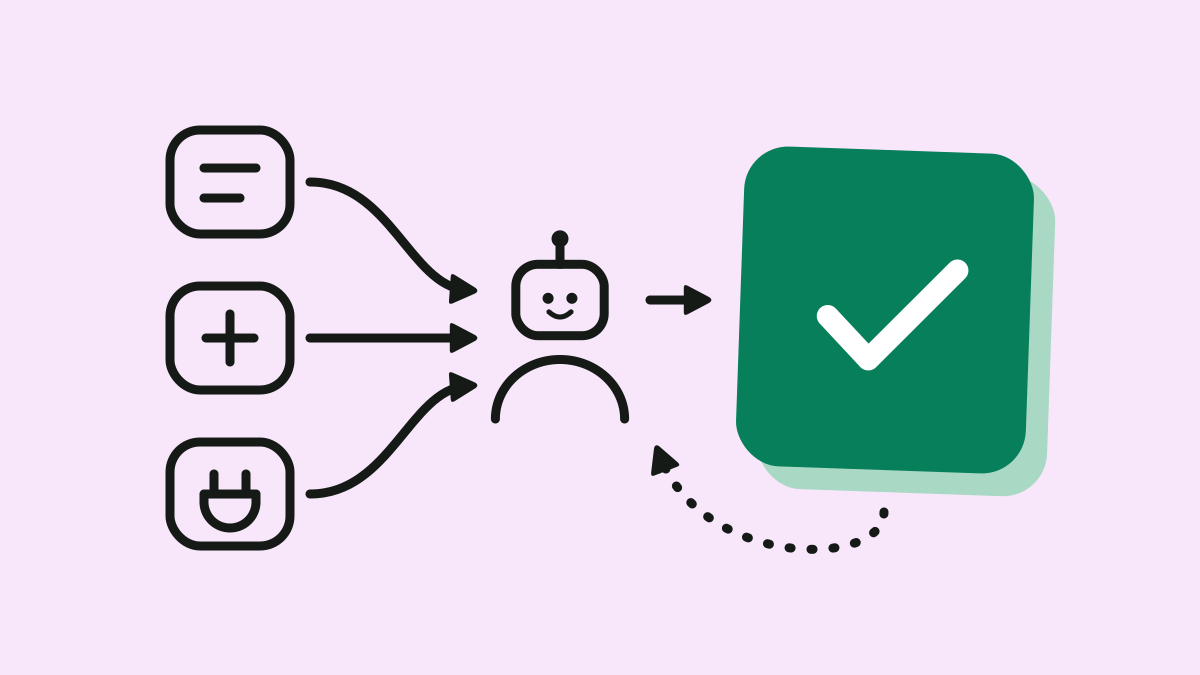
Three wires point a coding agent at ObjectStack: a scaffolded rule file, an 11-skill bundle, and an in-runtime tool server. Each one verified against 17.2.0 — including the real output of the gate rejecting a wrong definition.
AI & Agents Developers MCPAI agents -
Context Is the Bottleneck in Enterprise AI: Every Fix Solves Only the Read Half
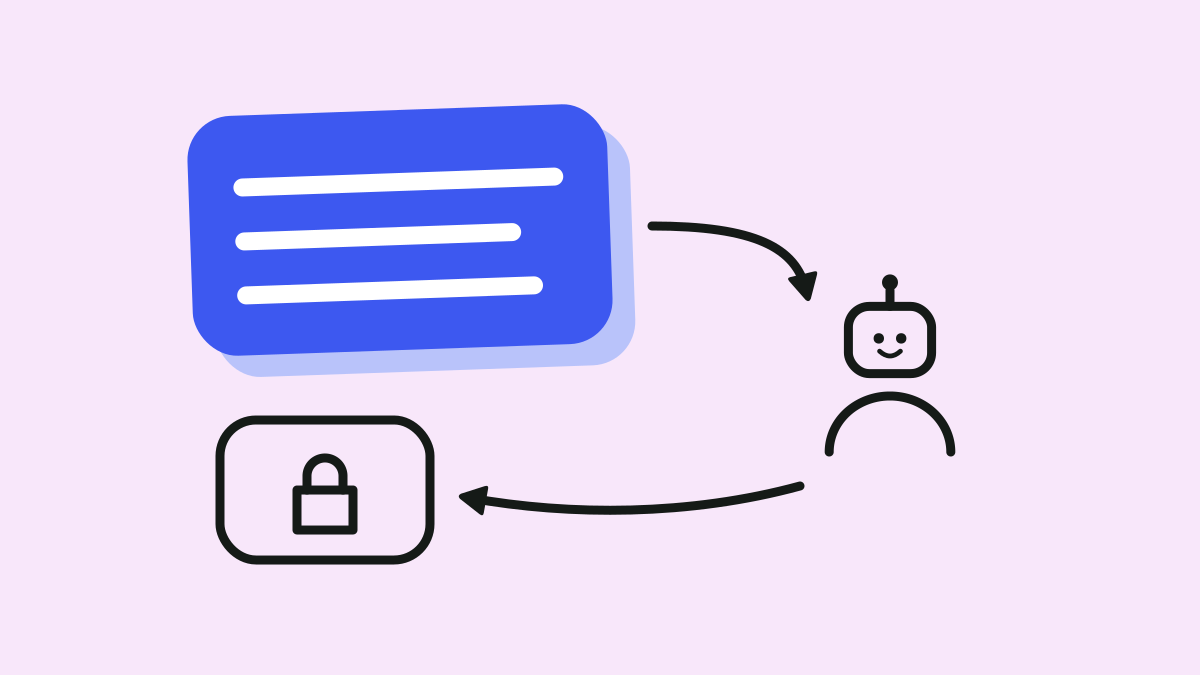
Two of the largest data platforms built their June 2026 keynotes around the same claim, and it is correct. But semantic layers, catalogs and ontologies all ground what an agent reads. The write half runs on borrowed enforcement.
AI & Agents IT Leaders Semantic layerAI agents -


Forward Deployed Engineer vs Solutions Engineer vs Solutions Architect vs Consultant
Four roles that look identical in the customer's conference room and diverge on the org chart. A comparison table on outcome ownership, production code, quota, reporting line and pay — plus the one question that separates them.
AI & Agents General Forward deployed engineerPalantir -
The Forward Deployed Engineer Model: Why Copying Palantir Builds a Consultancy
Four AI giants stood up forward-deployed orgs in 2026. Palantir earns roughly 11x the revenue per employee Accenture does — and the gap is not the role, it is the substrate the role writes into.
AI & Agents Business Leaders OntologyForward deployed engineerPalantir -
Ontology vs Semantic Layer vs Knowledge Graph: What Is Actually Different
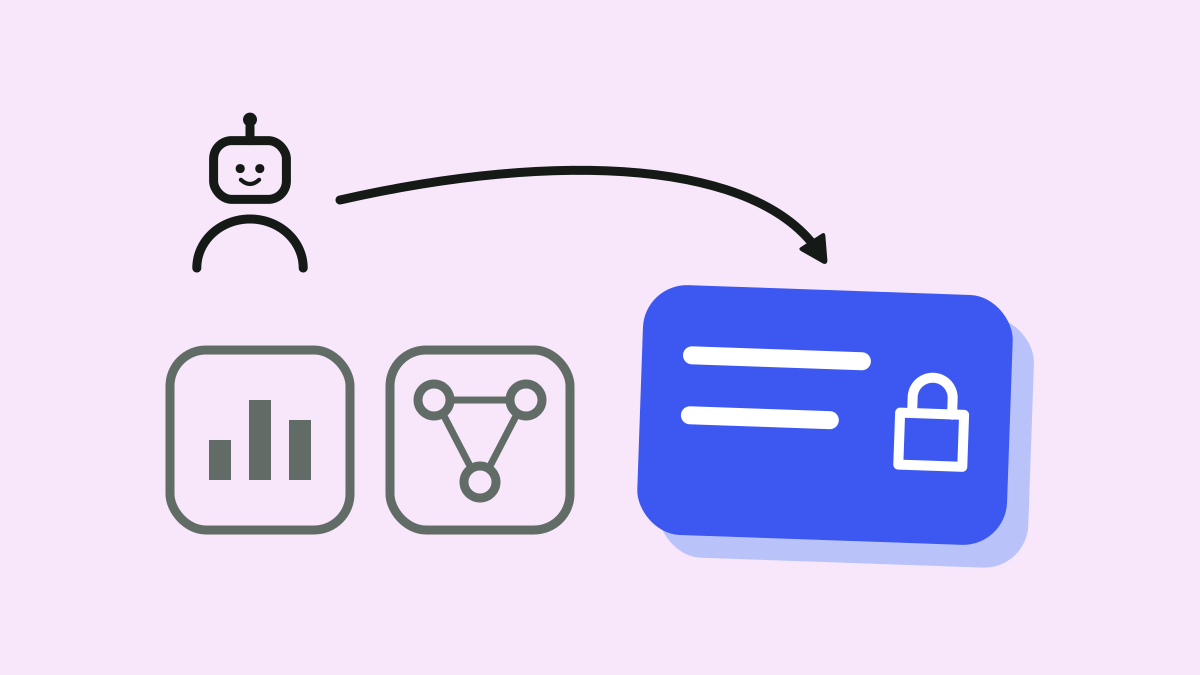
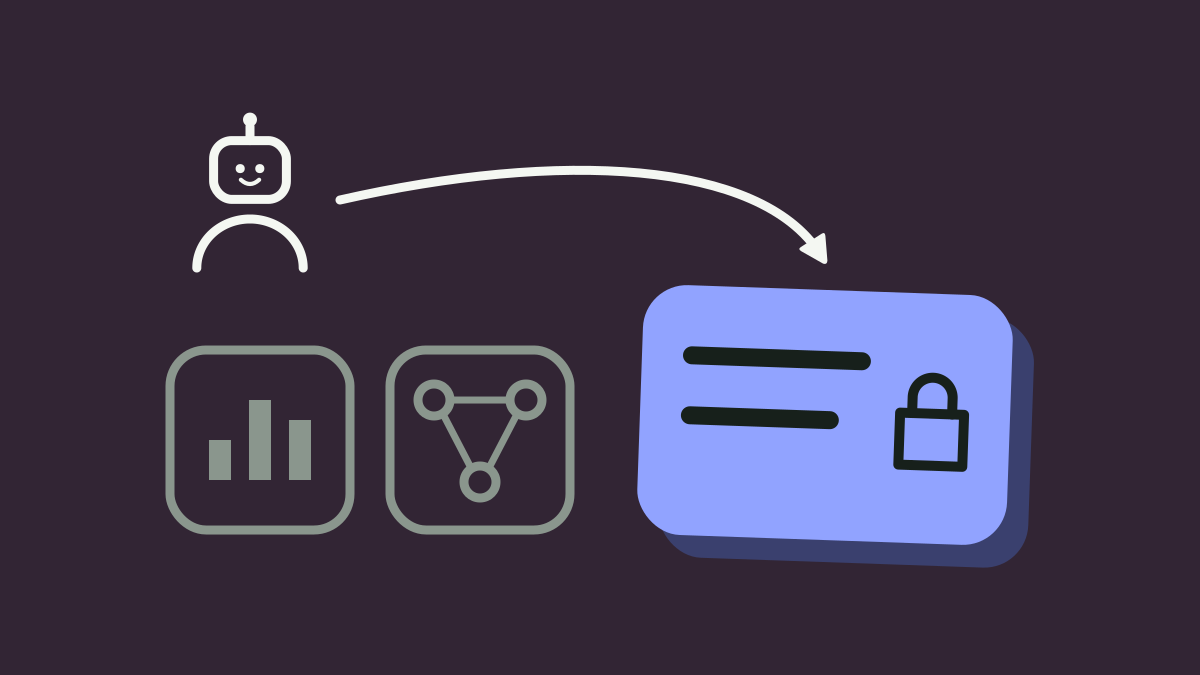
A semantic layer defines what a number means. A knowledge graph stores what connects to what. Only an ontology carries actions and permissions. Precise definitions, a decision table, and a test for which one your agent needs.
AI & Agents IT Leaders OntologySemantic layerAI agents -
What Is Ontology MCP? Turning an Enterprise Ontology Into Agent Tools
Ontology MCP exposes an ontology's object types, action types and functions as MCP tools any agent can call. What Palantir shipped, what Microsoft is previewing, and the tool-surface asymmetry to plan for.
AI & Agents Developers OntologyMCPGoverned toolsFabric IQPalantir Foundry -
What Tools Do Forward-Deployed Engineers Use? An Ontology-First Open Stack
What forward deployed engineers actually build across a 60–180 day deployment, the five pains that define the work, and why the 2026 copycat wave copied the role but not the substrate underneath it.
AI & Agents Developers OntologyMCPForward deployed engineerPalantir -


How Many Tokens Is a Business App? A Complete CRM Under 150k
A complete CRM—business logic, permissions, workflows, and UI—fits under 150k tokens of typed metadata. Business logic stays under 100k; UI adds ~50k. The bundled reference CRM is ~16k.
AI & Agents Developers CRM AI agents -
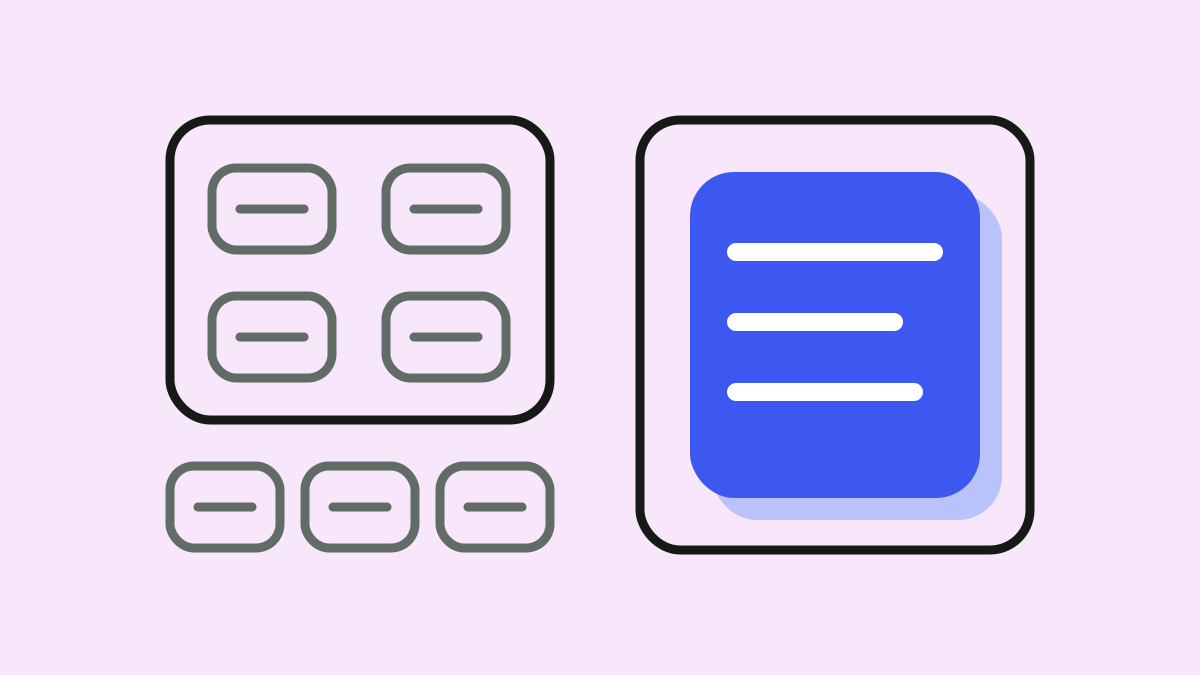
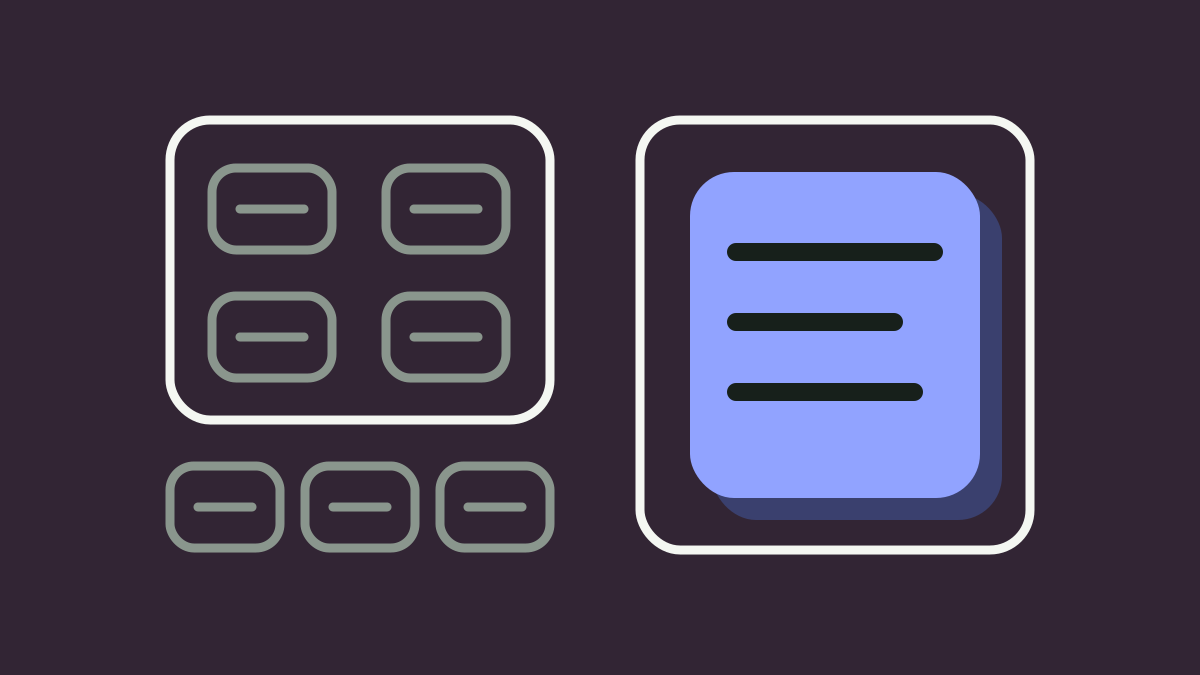
The Constraint Isn't Typing Speed. It's the Context Window.
AI can write an enterprise app. Whether it can maintain one depends on whether the whole system fits in its head — which is an argument about the target format, not the model.
AI & Agents Developers AI agentsContext windowMetadata -
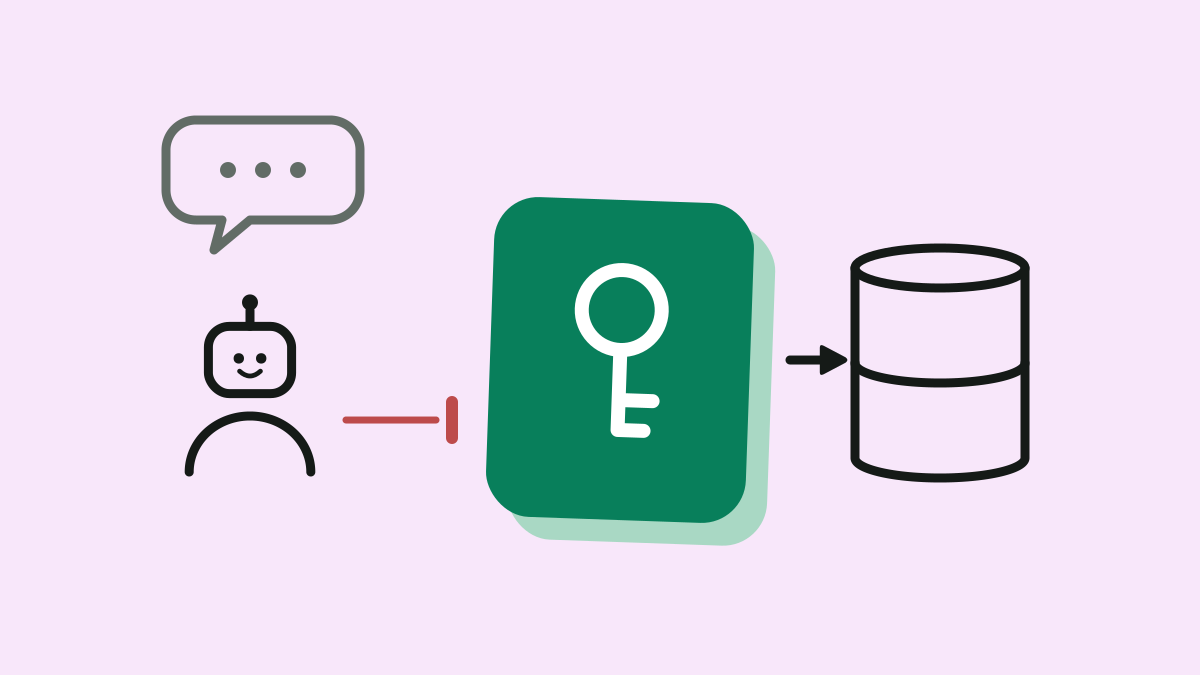
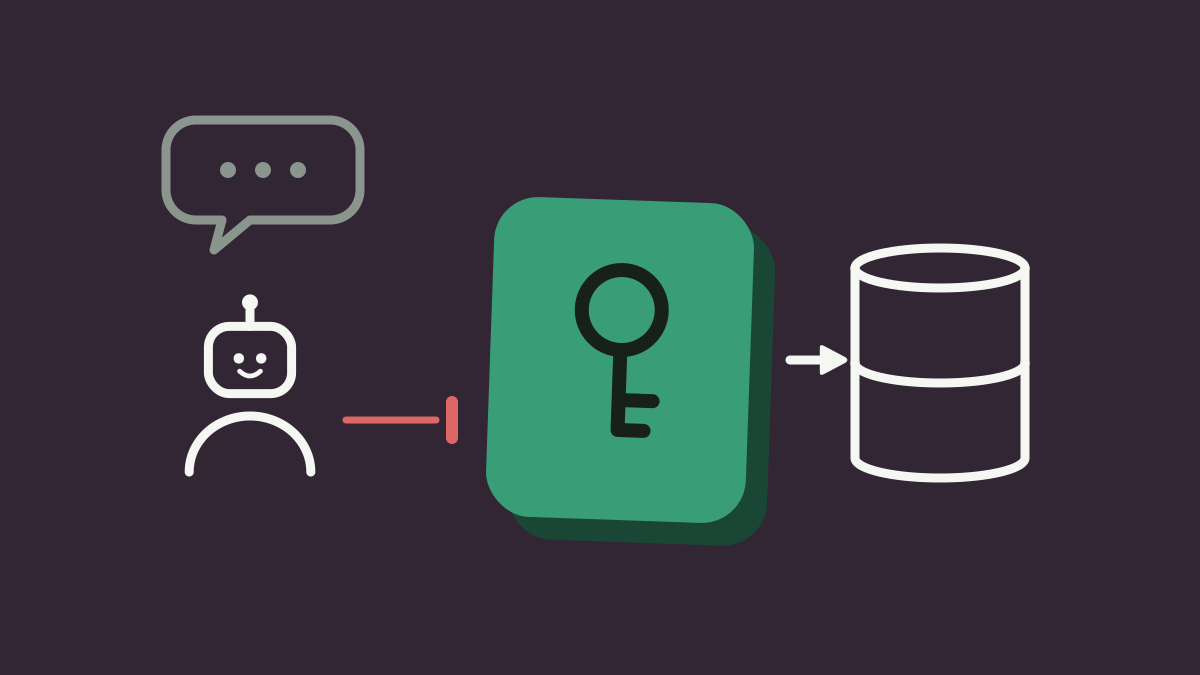
When an AI Agent Deletes Production Data: Runtime Guardrails Beat Prompts
The Replit database incident shows a structural lesson: an agent's blast radius must be controlled by runtime permissions, approvals, and audit logs, not only by a prompt.
AI & Agents IT Leaders AI agentsReplit -
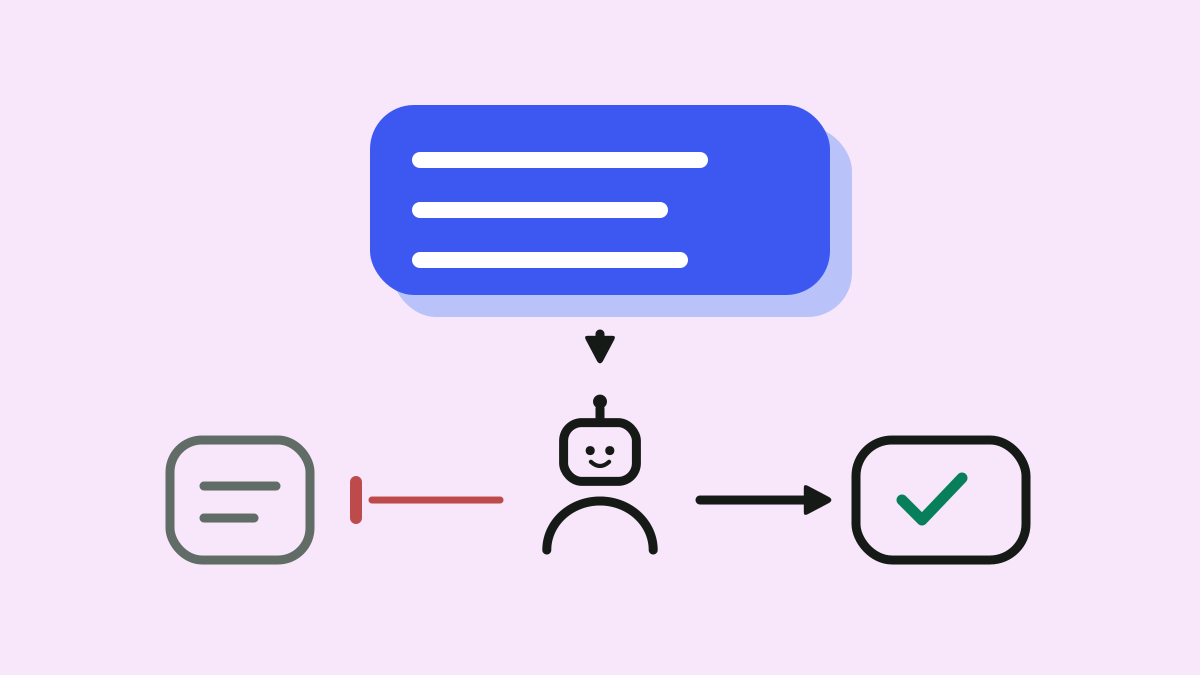
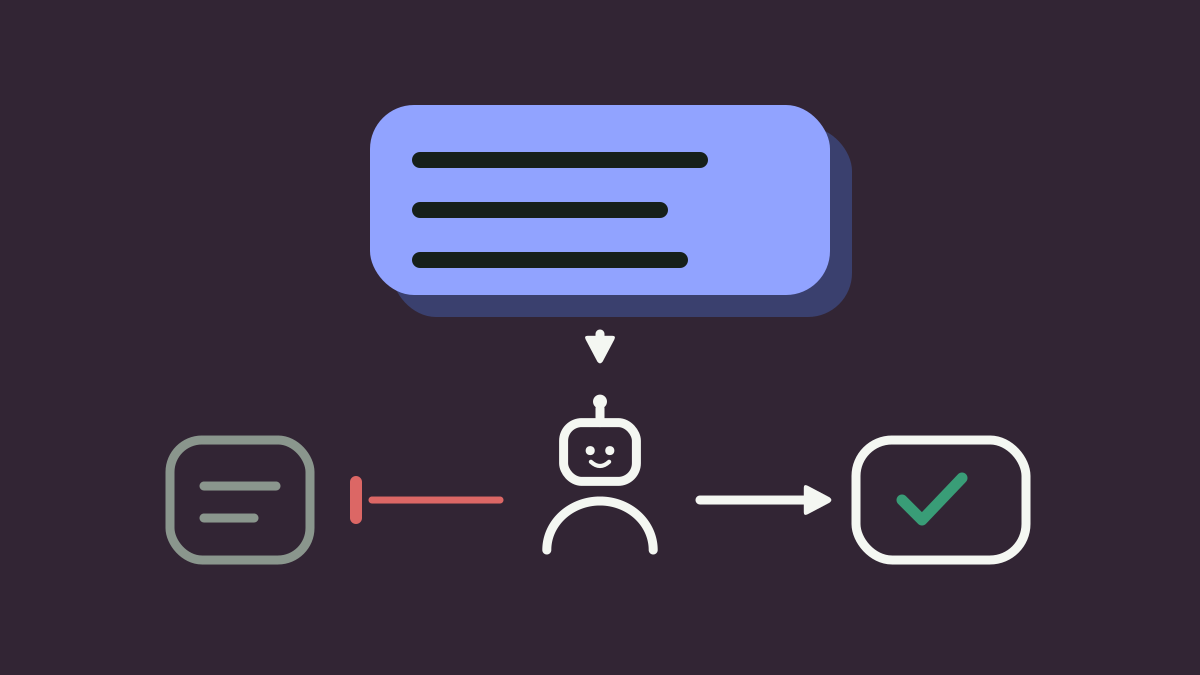
How to Write Agent Rules That Generate Governable Apps
Most agent rule files police style, not governance. Use AGENTS.md, .cursor/rules, and an open declarative target so AI-generated apps are reviewable from day one.
AI & Agents Developers MCPAI agents -
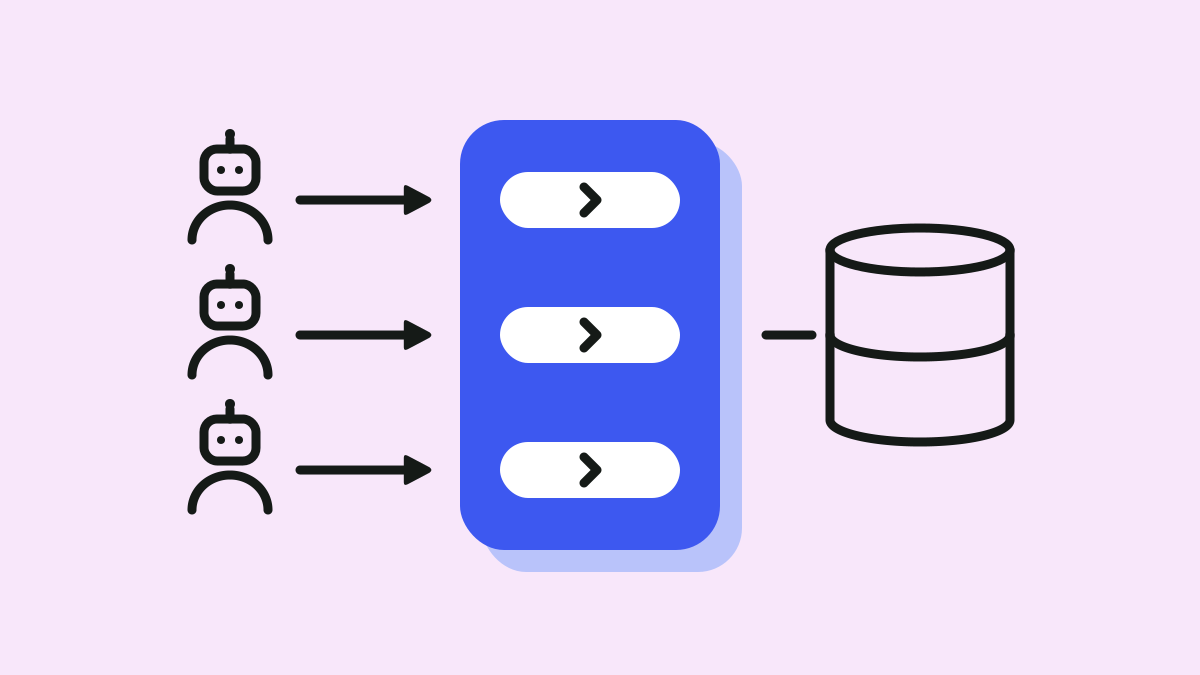
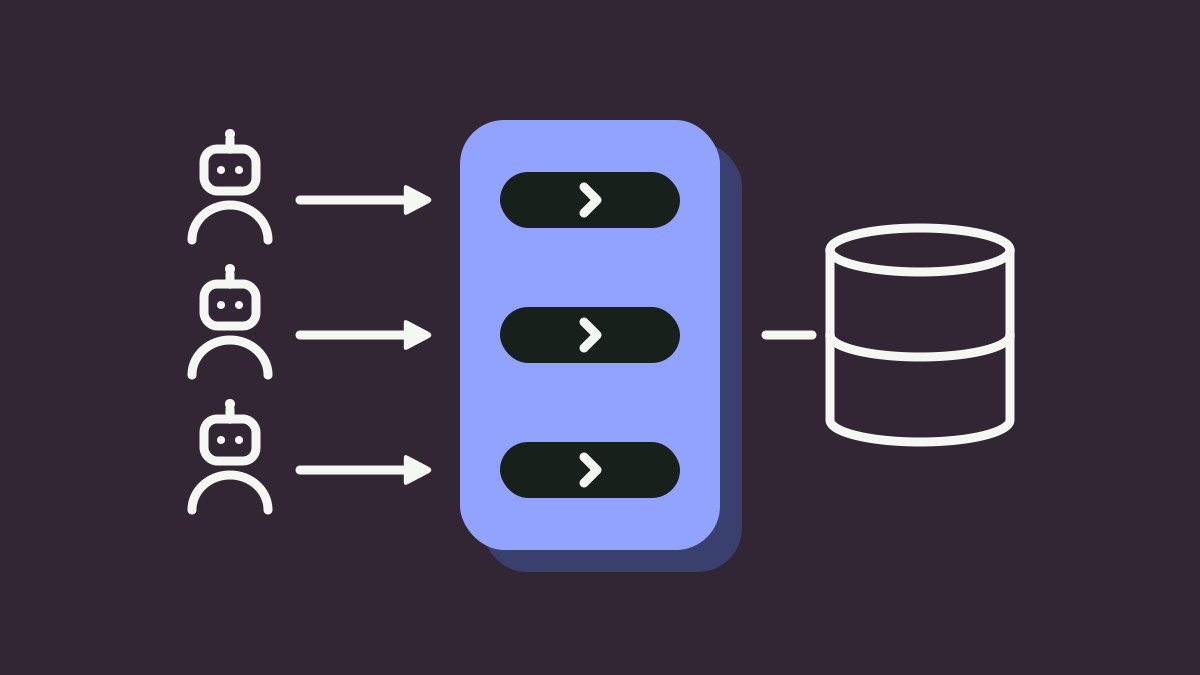
MCP Security for Enterprise Agents: Why Protocols Need Governed Tools
MCP can connect agents to tools quickly, but enterprise systems need identity, permissions, approvals, and audit behind every tool call.
AI & Agents IT Leaders MCPGoverned toolsAI agentsA2A -
Why AI Agent Pilots Fail Before Production: The Four Missing Layers
A project drew applause on demo day, then was killed four months later by one question from legal. The problem was not the model; it was missing semantics, permissions, approvals, and audit.
AI & Agents Business Leaders AI agents -
Agentforce vs. an Open Self-Hosted Runtime: When to Choose Each
A company nearly signed with Agentforce until it found that half its data lived outside the suite. Here is when to choose a closed suite, when to choose open self-hosting, and when to use both.
AI & Agents IT Leaders AgentforceCopilot StudioServiceNow