Developers
Articles for Developers on building, operating, and governing AI-written business applications with ObjectOS.
-
Views, Dashboards and Apps Are Projections of the Ontology: What That Changes for Review
Add one field to a bundled ObjectStack app: the table, REST API, MCP describe call and Console form follow by themselves; the pinned views, dataset and translation do not. The naming test says which is which.
App Development Developers OntologyExecutable business ontologyReviewable diffMetadata review -
Validation Rule, Hook, or Flow? Where a Business Rule Should Live in an AI-Written App — One CRM, Seven Rules, Three Homes
Seven business rules on one CRM, three homes each could take. The choice is a table, not a taste: a predicate is a validation rule, a rewrite of the pending record is a hook, everything else is a flow, which reviews as data.
App Development Developers CRM AI agentsBusiness rules -
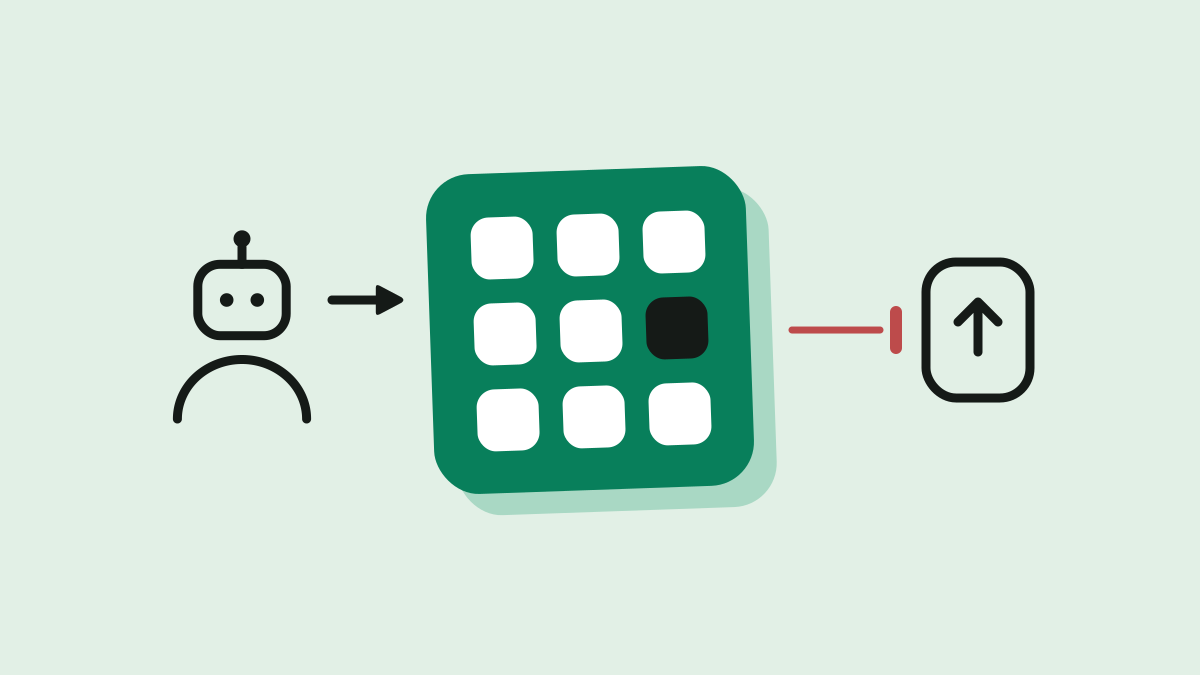
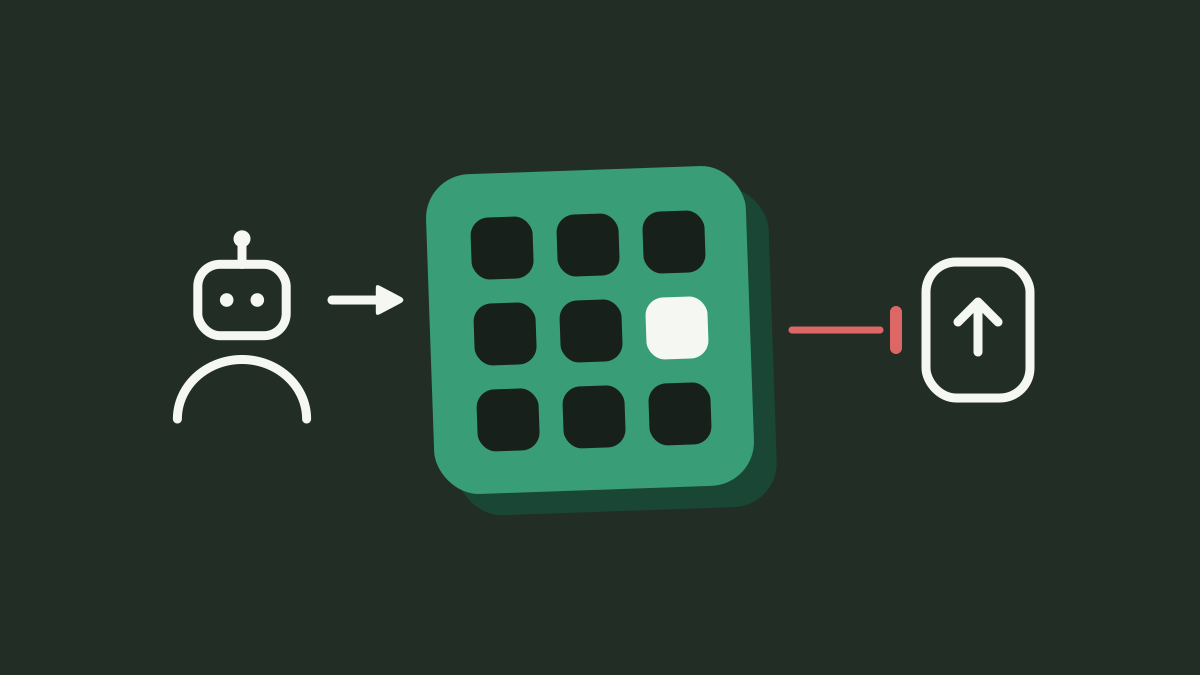
How Do You Catch an AI's Silent Permission Change Before It Ships? The Access-Matrix Snapshot Gate, on a 7-Entry CRM
On @objectstack/cli 18.2.0, os validate passes an agent's allowDelete false-to-true flip with no finding. os compile on an opted-in app fails the build with one line naming who gains what, until a human regenerates the snapshot.
Security & Governance Developers AI agentsAgent permissionsReviewable diff -
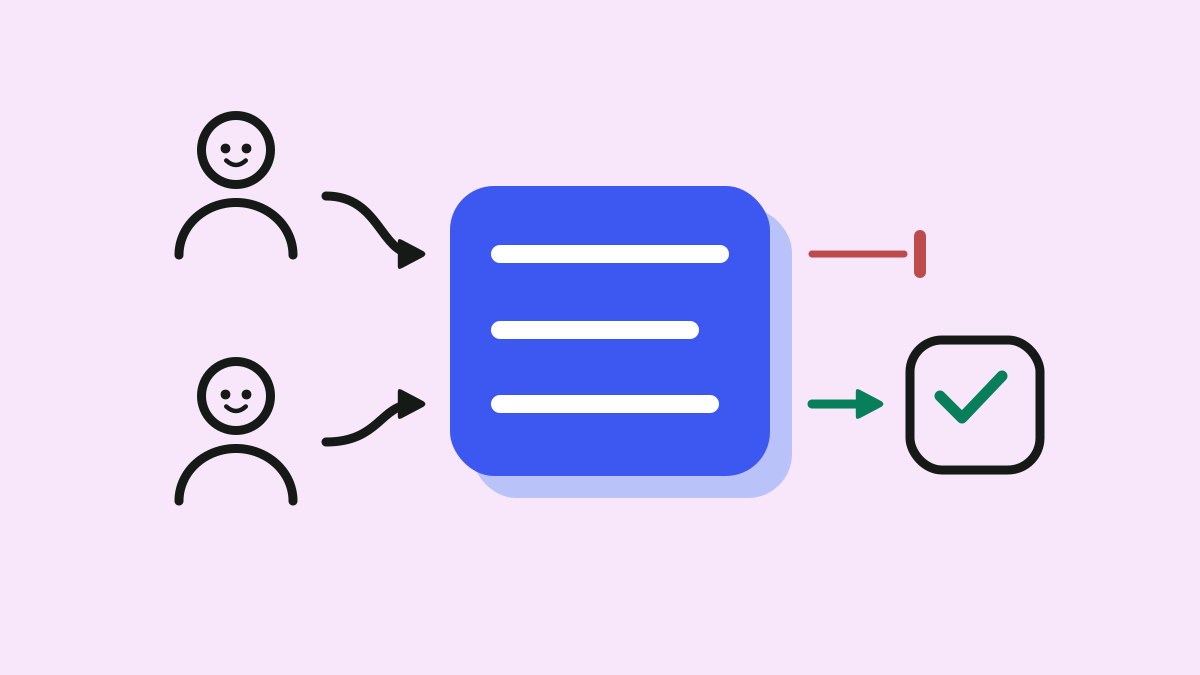
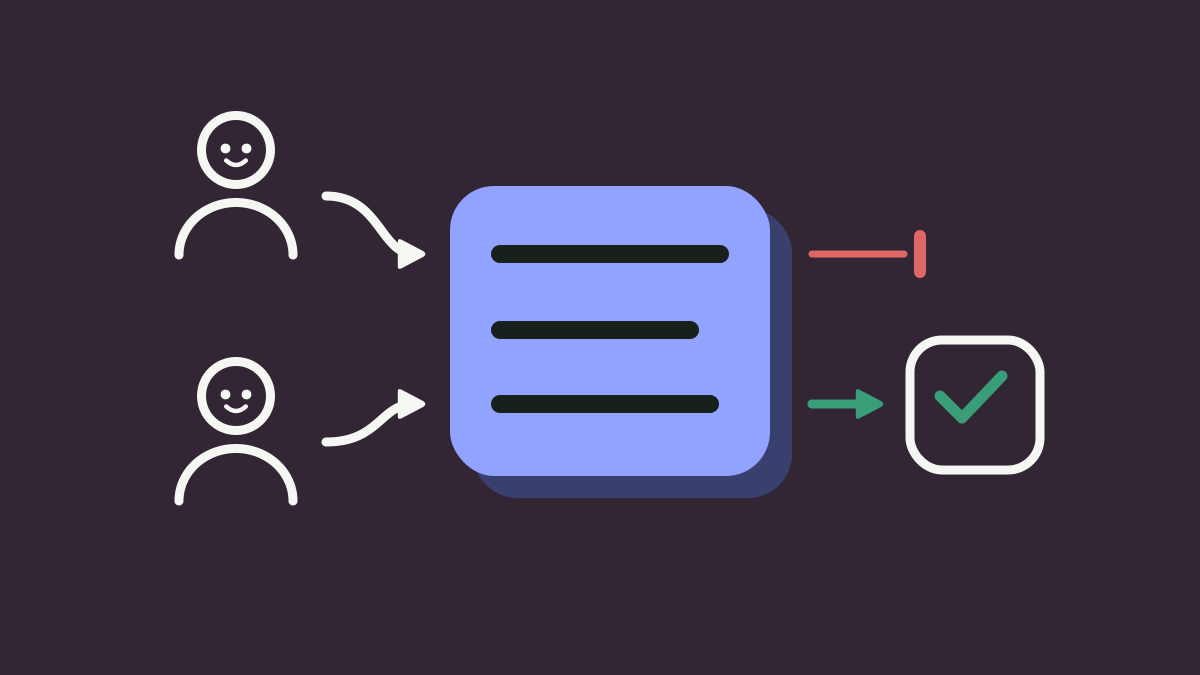
Agent-Operable Apps: When Every Object and Action Is an MCP Tool Under the User's Permissions
Agent-operable means the app is already an MCP server and the agent connects as a user. One run, two users, one action: the same twelve tools, and the permission decision made on every call, not on the list.
AI & Agents Developers AI agentsMCPAgent-operable -
What Makes a Business App AI-Writable? Typed, Validated, Reviewed, Governed
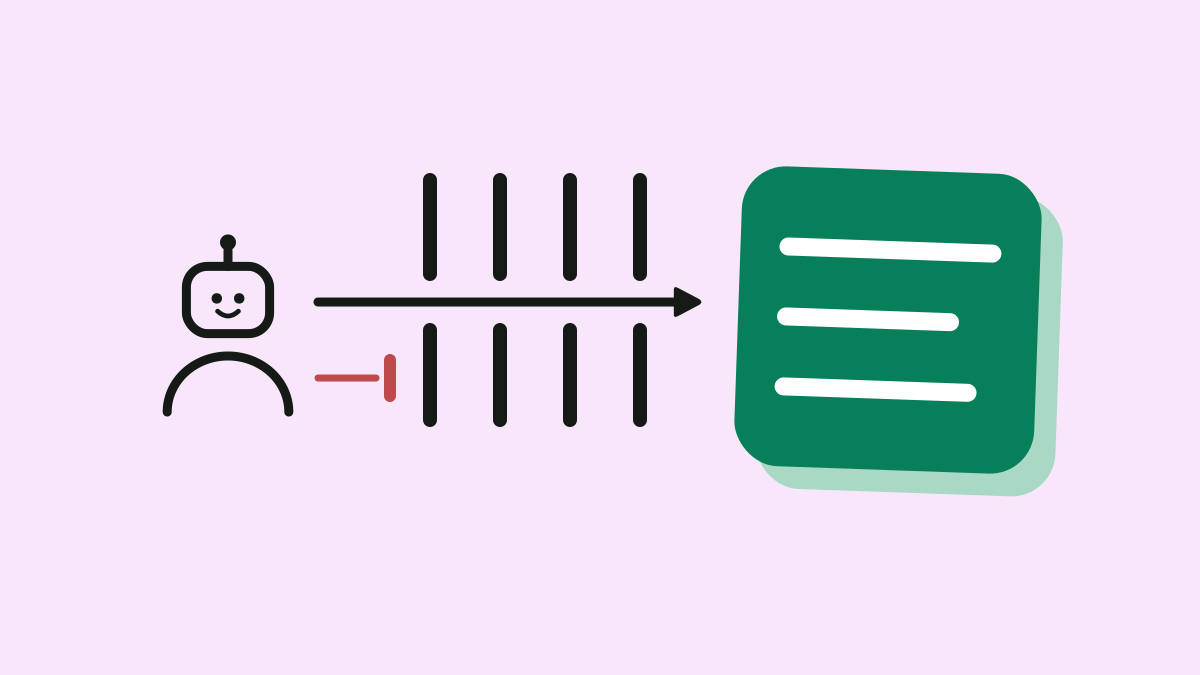
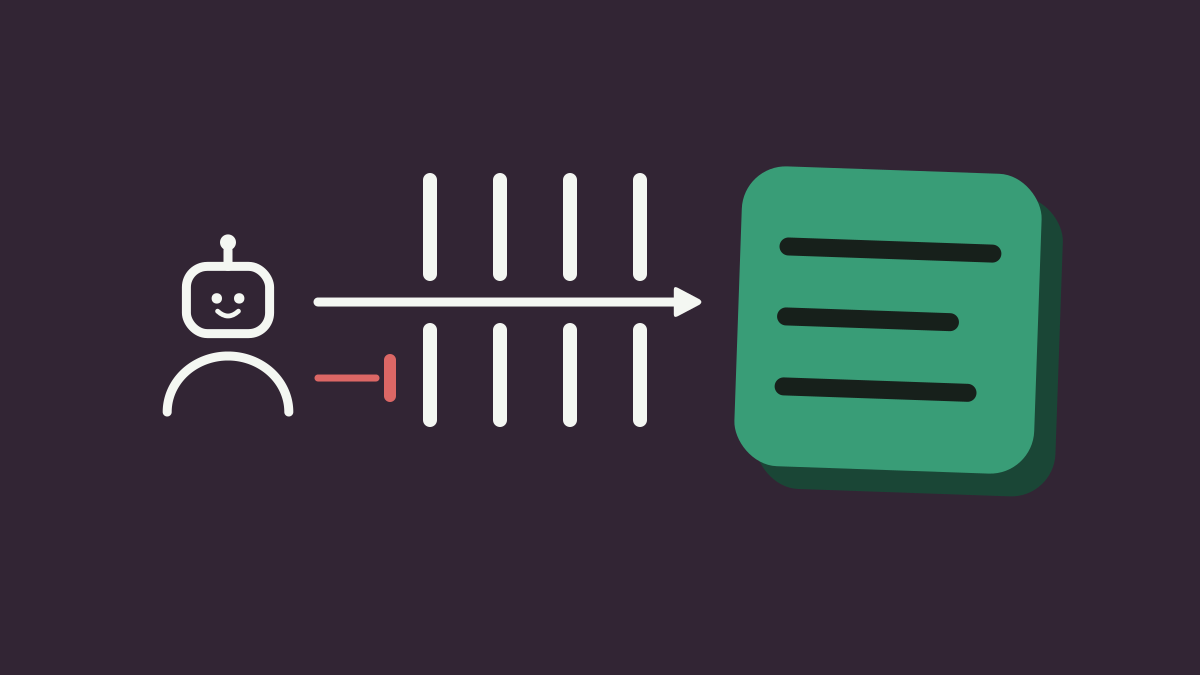
AI-writable is a property of the target, not the model. Four gates, one real run: three deliberate mistakes, 49 rules, three located errors, then a clean pass.
AI & Agents Developers AI agentsAI-writable -
Executable Ontology vs Knowledge Ontology: Why "No Inheritance, No Axioms, No Reasoner" Is the Point
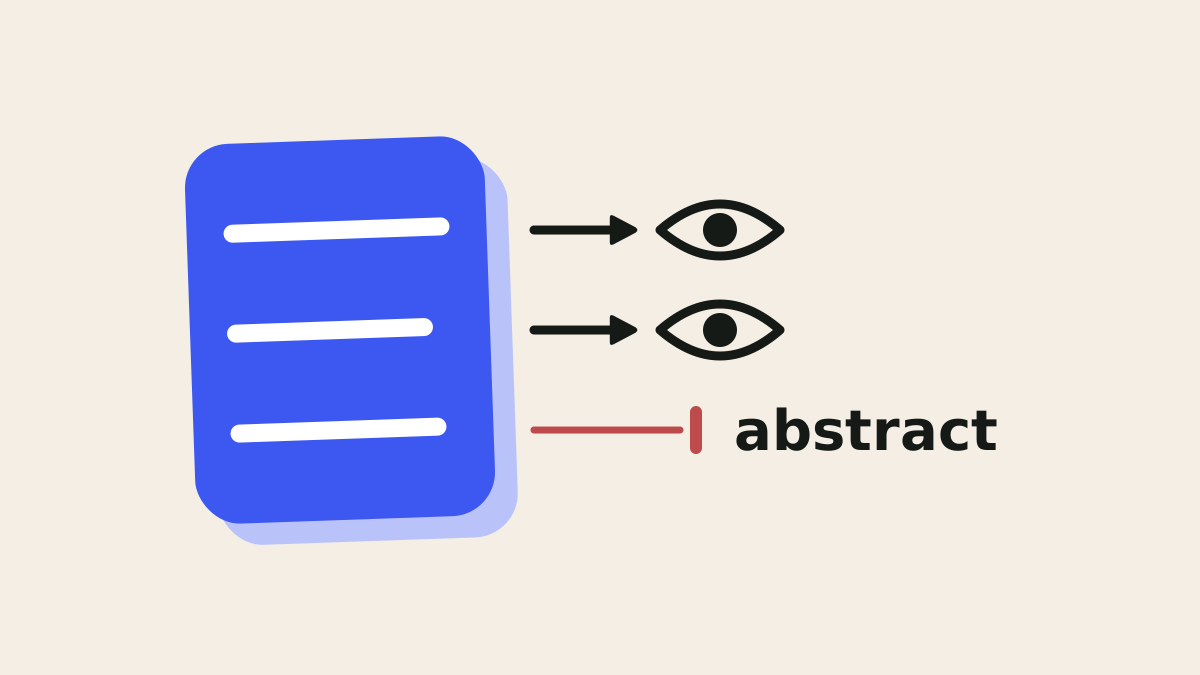
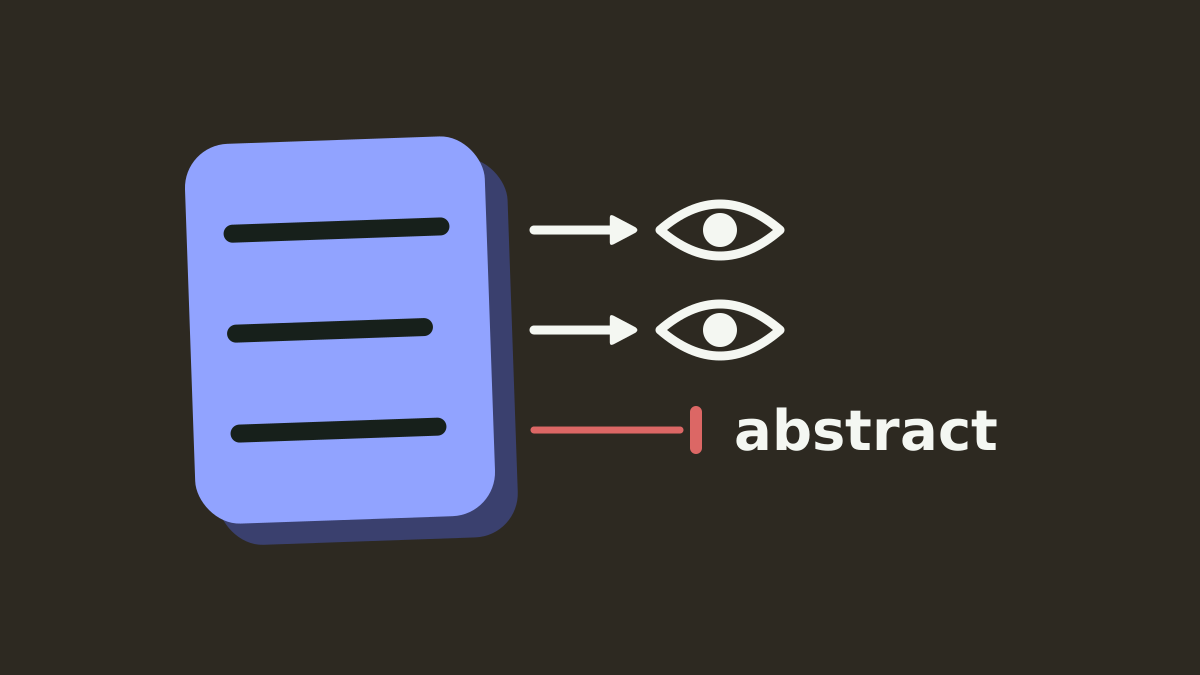
A knowledge ontology is built to be reasoned over; an executable business ontology is built to be validated and run. The proof is one key, abstract, that promised inheritance, did nothing, and was removed rather than kept.
App Development Developers OntologyExecutable business ontologyKnowledge graph -
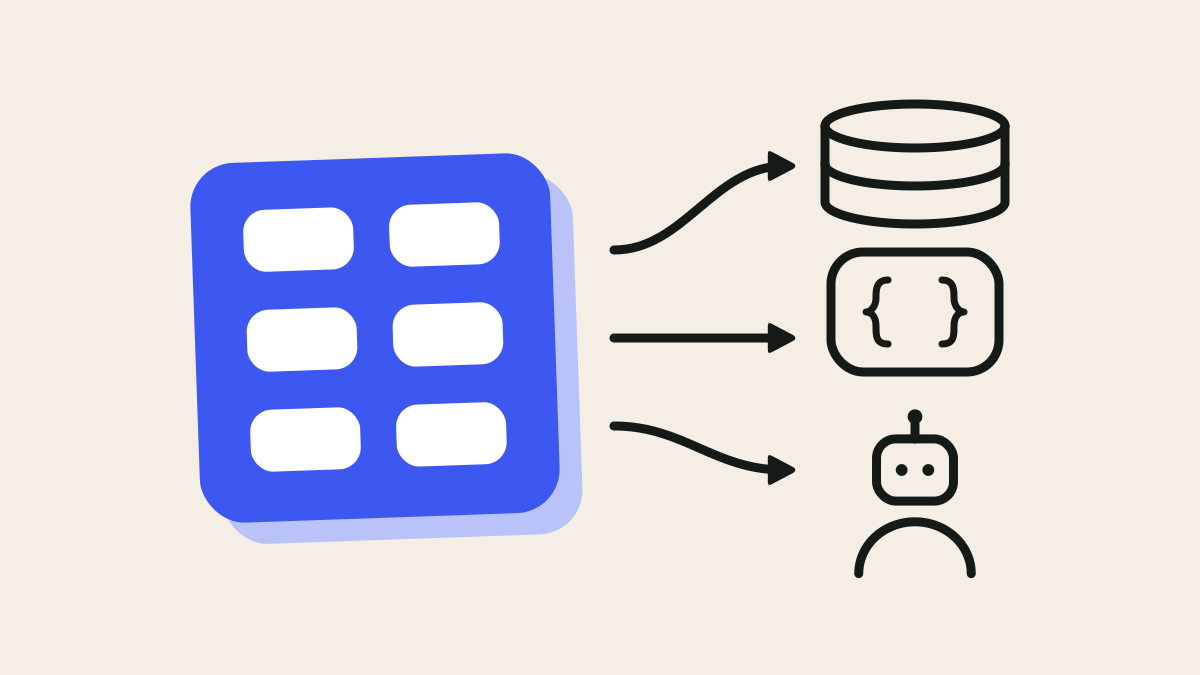
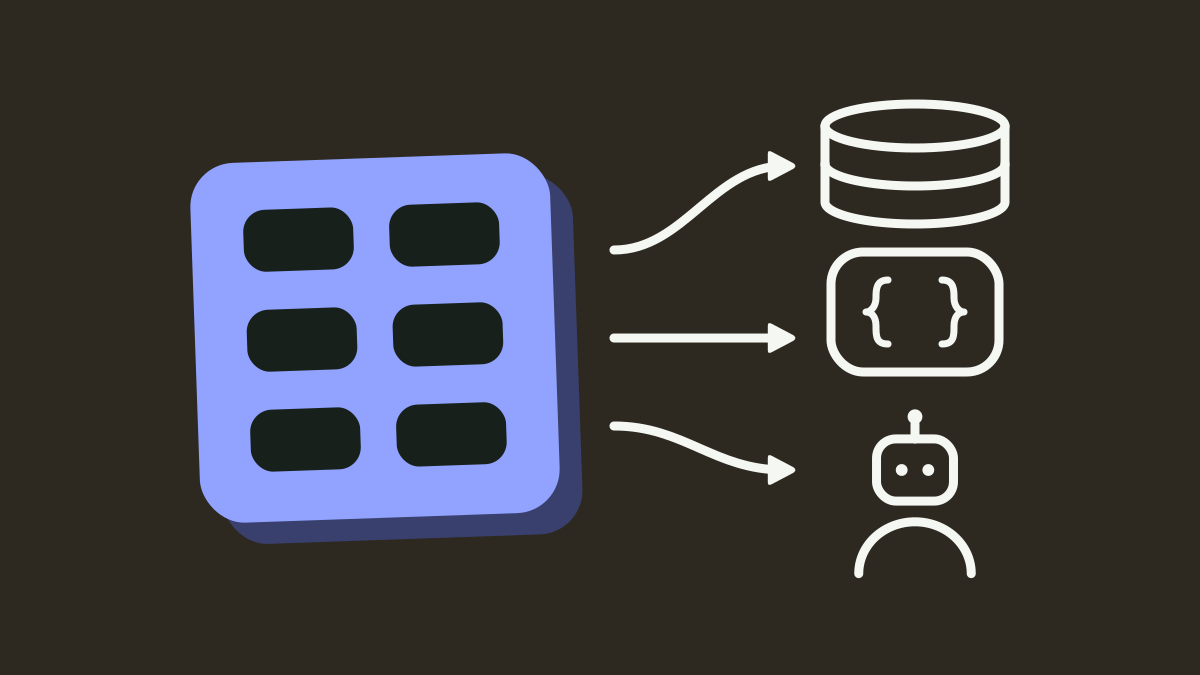
What Does "The Ontology Is the Software" Mean? An Executable Business Ontology, Defined
The line is ObjectStack's positioning; this is its definition. An executable business ontology has a six-kind core, four projections and three things it is not — and a test for telling core from projection.
App Development Developers OntologyExecutable business ontology -
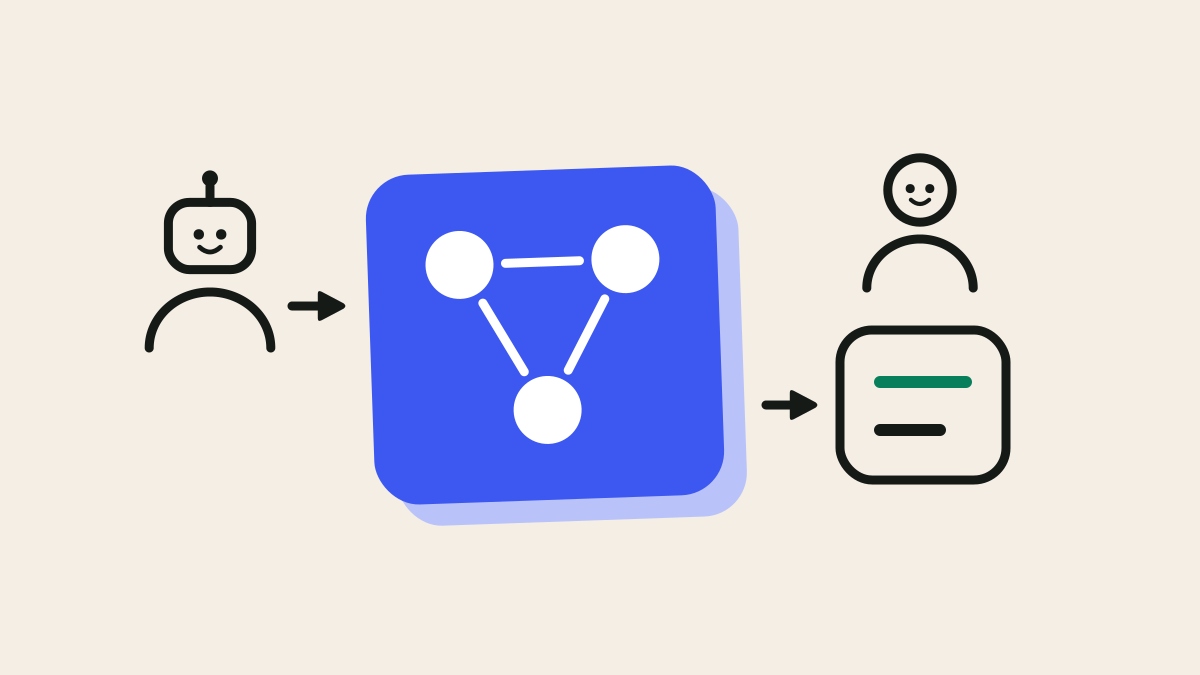
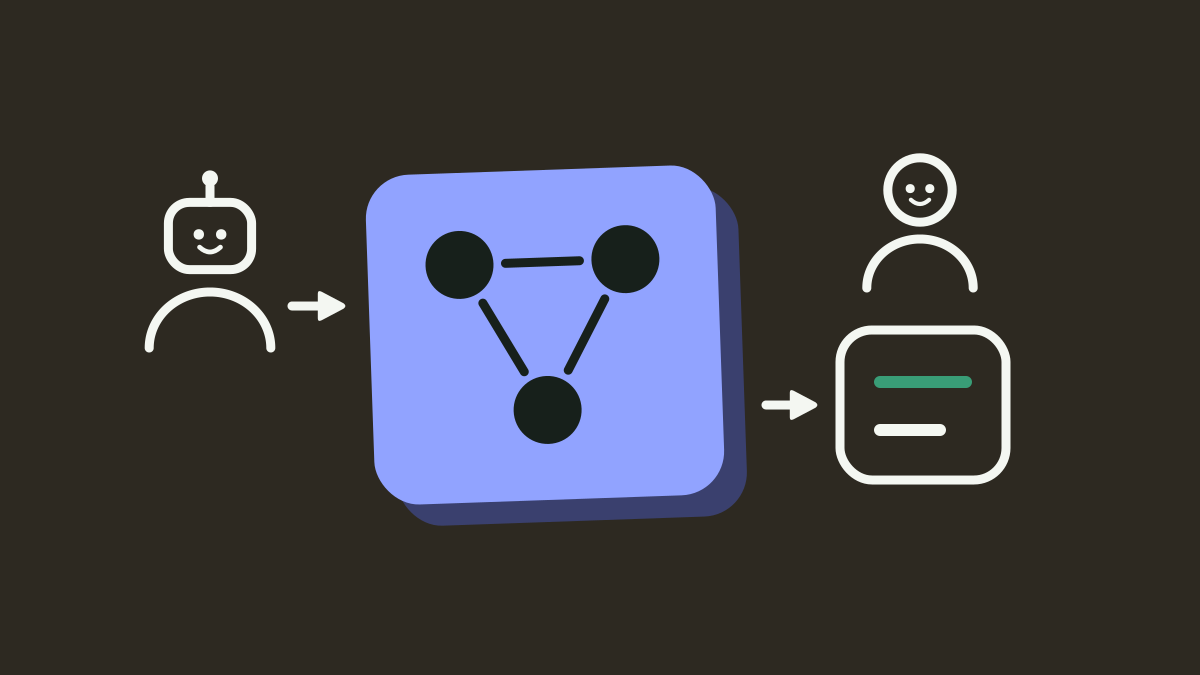
Build a CRM With an AI Agent: The Whole Build, Including What Broke
One complete CRM built end to end — scaffold, three objects, an approval flow, a permission set. 2,406 measured tokens, 54 generated API operations, and the four defects caught before a human reviewed anything.
App Development Developers CRM AI agents -
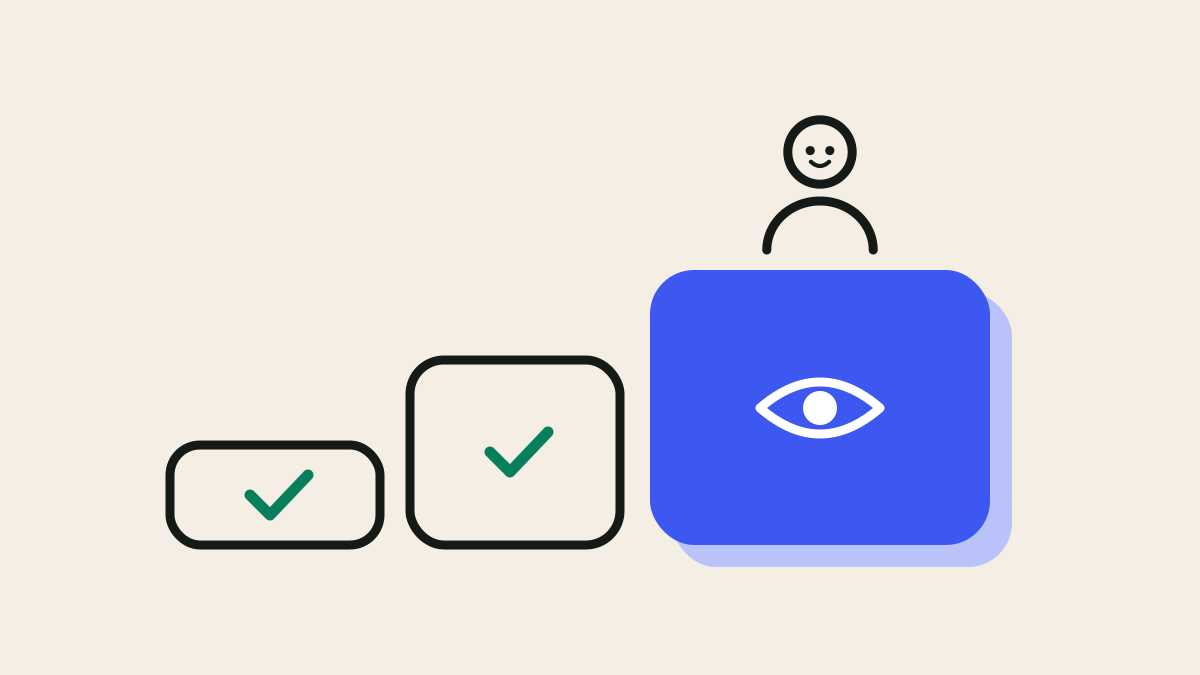
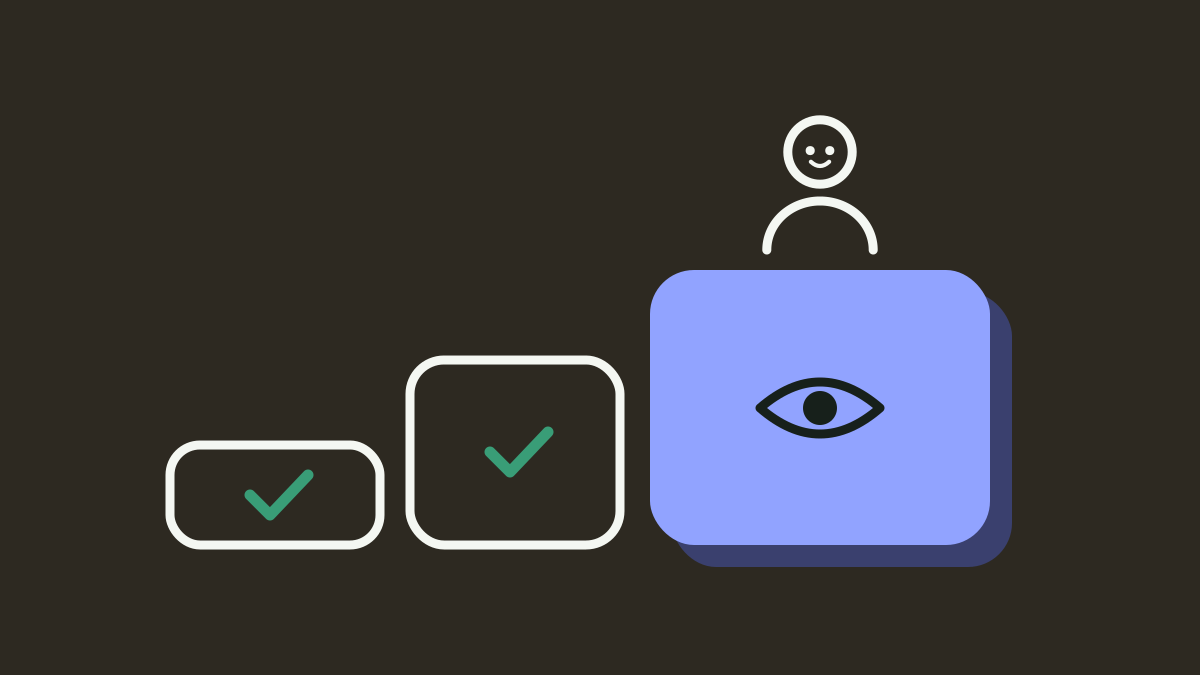
How to Review AI-Generated Code: A Checklist for Metadata App Changes
A four-pass review order for AI-written app changes, worked on a real diff. The validation gate proves a change is enforceable; it never proves the change is correct. That third rung is the reviewer's whole job.
App Development Developers AI agentsAgent permissions -
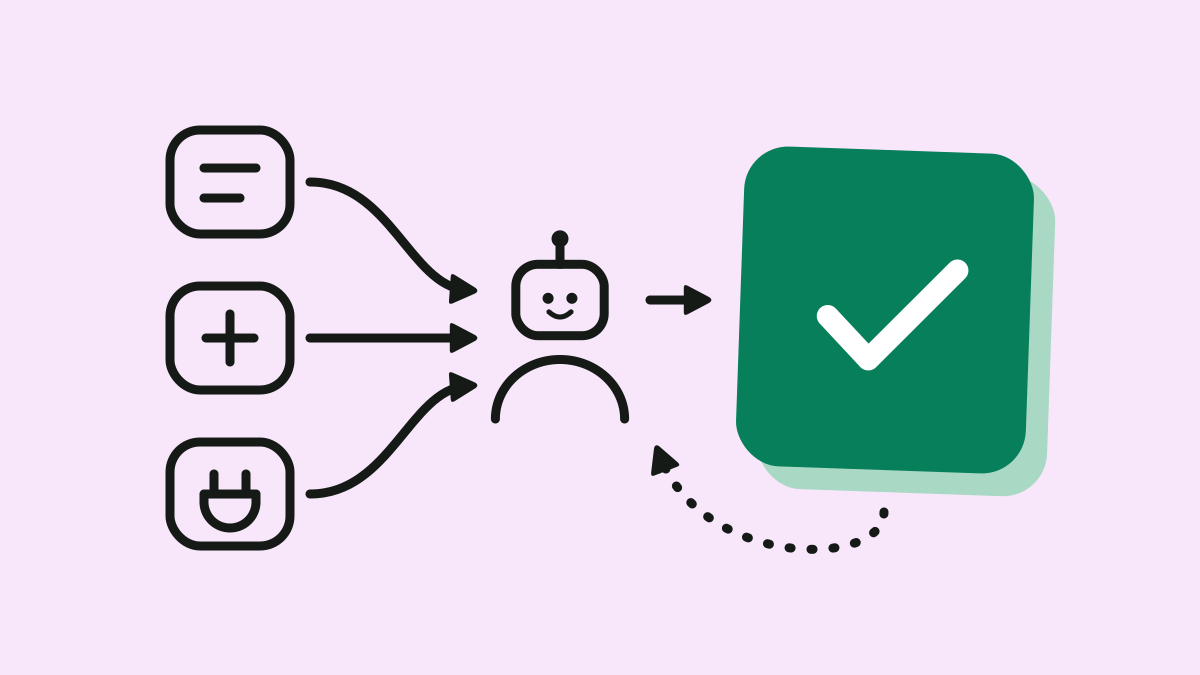
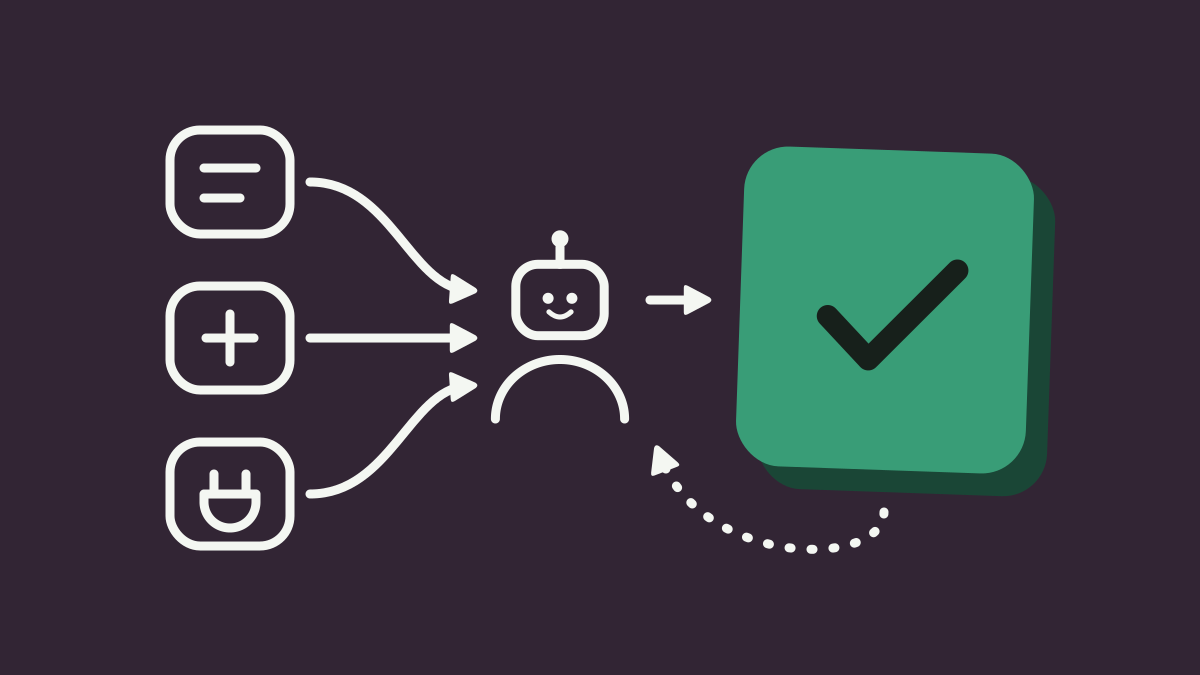
How to Configure Your AI Coding Agent to Write ObjectStack Apps
Three wires point a coding agent at ObjectStack: a scaffolded rule file, an 11-skill bundle, and an in-runtime tool server. Each one verified against 17.2.0 — including the real output of the gate rejecting a wrong definition.
AI & Agents Developers MCPAI agents -
What Is Ontology MCP? Turning an Enterprise Ontology Into Agent Tools
Ontology MCP exposes an ontology's object types, action types and functions as MCP tools any agent can call. What Palantir shipped, what Microsoft is previewing, and the tool-surface asymmetry to plan for.
AI & Agents Developers OntologyMCPGoverned toolsFabric IQPalantir Foundry -
What Tools Do Forward-Deployed Engineers Use? An Ontology-First Open Stack
What forward deployed engineers actually build across a 60–180 day deployment, the five pains that define the work, and why the 2026 copycat wave copied the role but not the substrate underneath it.
AI & Agents Developers OntologyMCPForward deployed engineerPalantir -
How Many Tokens Is a Business App? A Complete CRM Under 150k
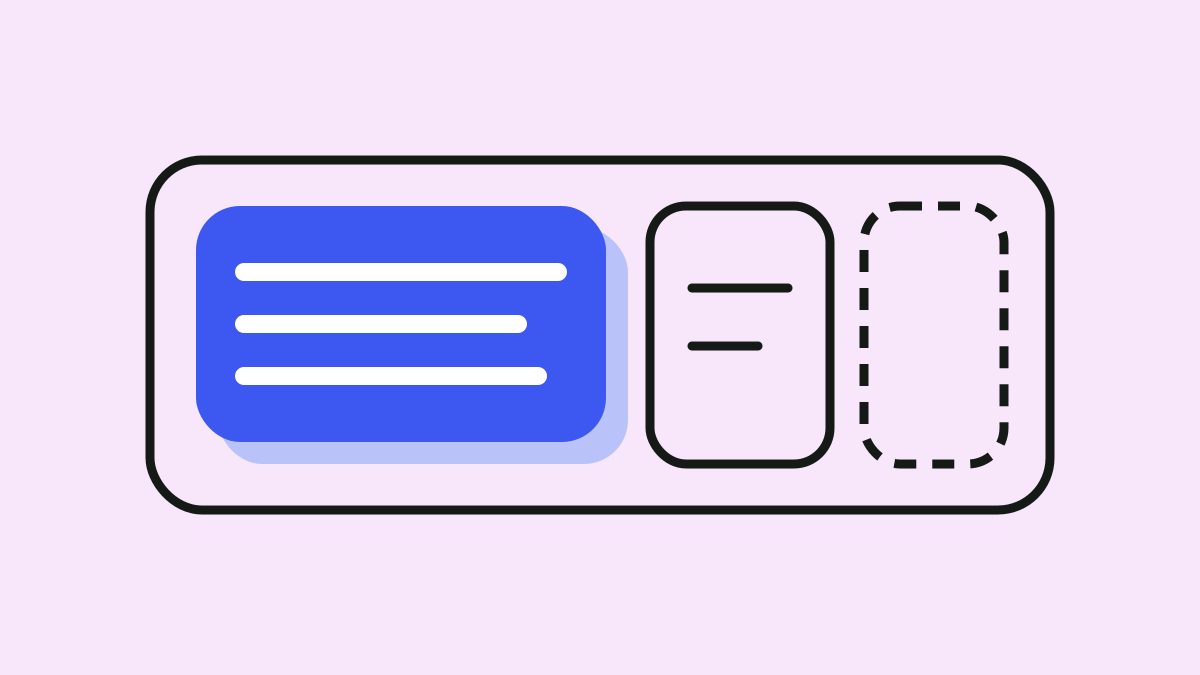
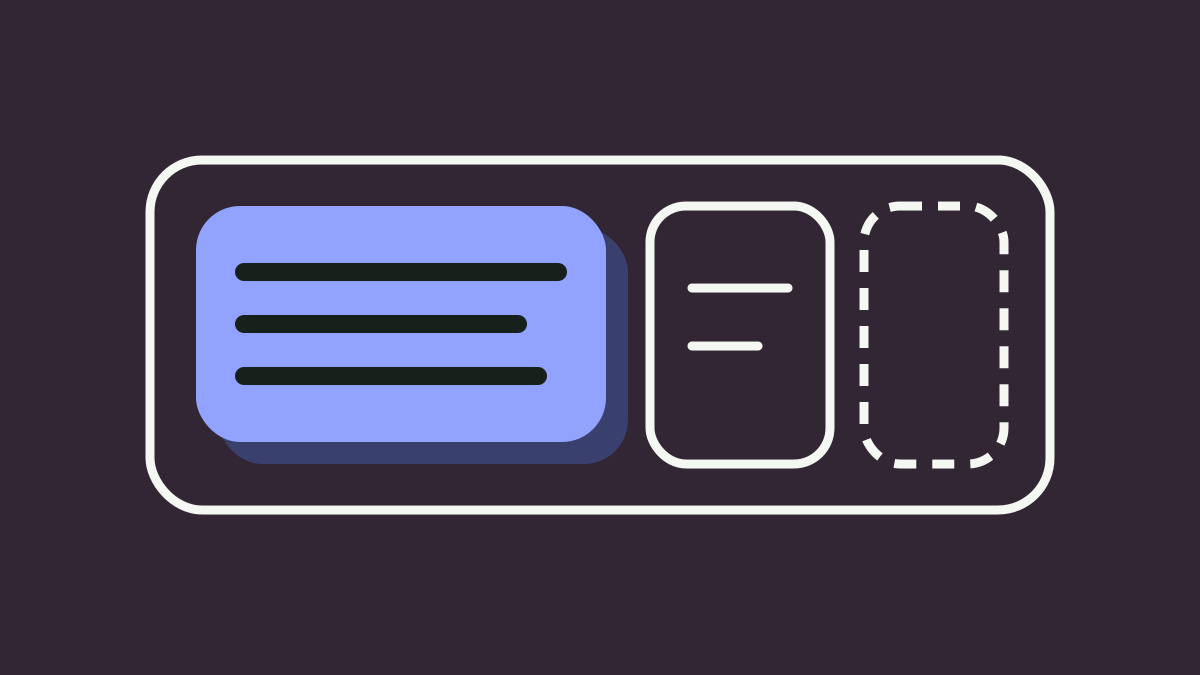
A complete CRM—business logic, permissions, workflows, and UI—fits under 150k tokens of typed metadata. Business logic stays under 100k; UI adds ~50k. The bundled reference CRM is ~16k.
AI & Agents Developers CRM AI agents -
The Constraint Isn't Typing Speed. It's the Context Window.
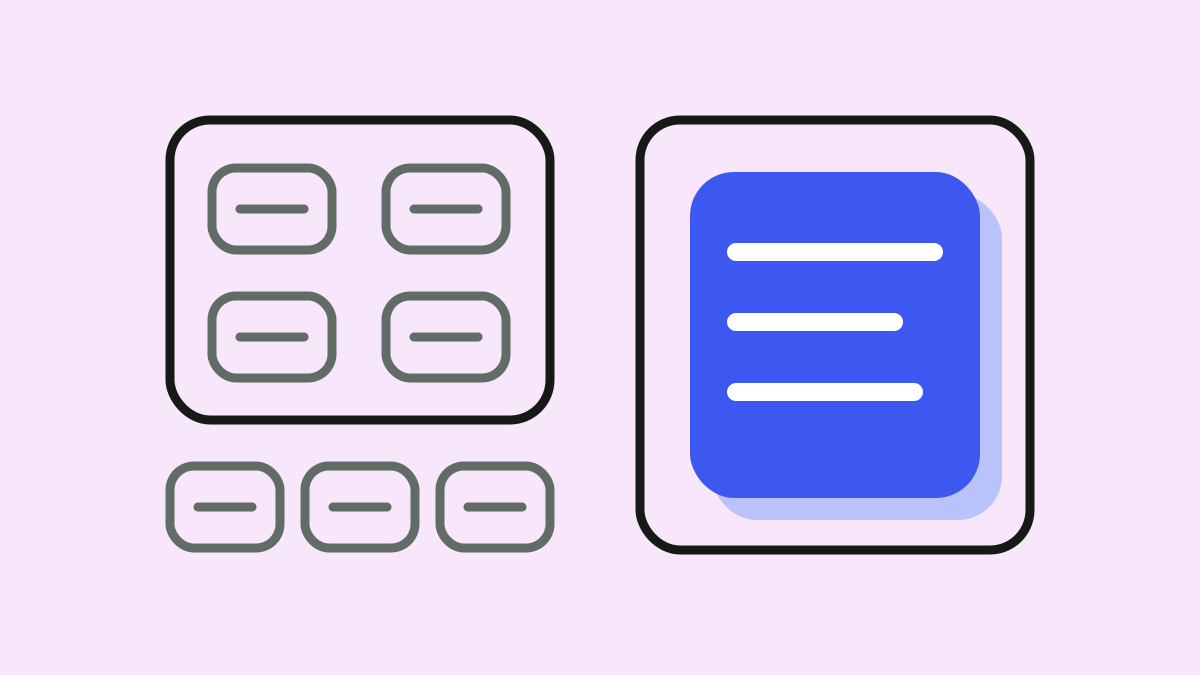
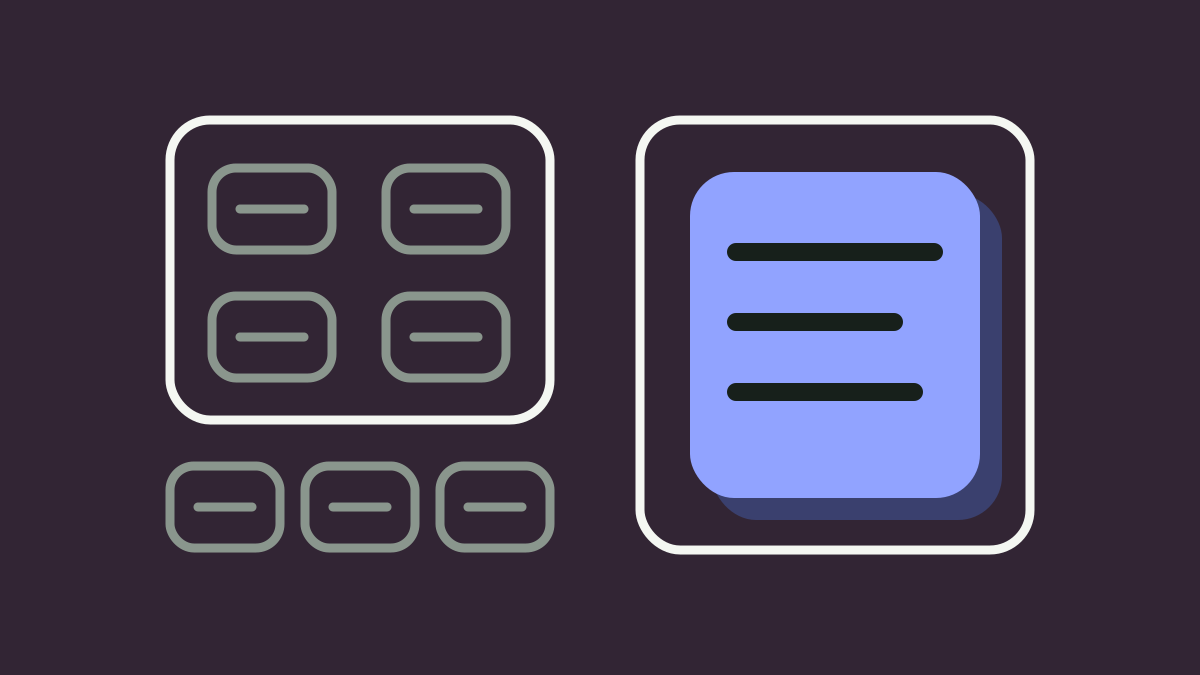
AI can write an enterprise app. Whether it can maintain one depends on whether the whole system fits in its head — which is an argument about the target format, not the model.
AI & Agents Developers AI agentsContext windowMetadata -
Retool RBAC and Audit Logs: Evaluating Retool for Governed AI App Development
Retool RBAC, audit logs and access policies, checked against Retool's docs: what they govern in AI-generated apps, how Retool compares with Lovable for enterprise apps, and the authority gap left over.
App Development Developers RetoolRBACAudit logLovable -
Is Lovable Safe for Production? The Access-Control Review Problem
Lovable can turn a sentence into a full-stack app, but production data depends on access control the accountable builder must be able to inspect, understand, and approve.
Security & Governance Developers Lovable -
AI-Written Apps: Can You Review the Diff and Merge With Confidence?
AI can generate a working app in 30 minutes. The hard part is signing off on an 8,000-line PR you did not write. Reviewability, not speed, is the new moat.
App Development Developers -
How to Write Agent Rules That Generate Governable Apps
Most agent rule files police style, not governance. Use AGENTS.md, .cursor/rules, and an open declarative target so AI-generated apps are reviewable from day one.
AI & Agents Developers MCPAI agents -
From Requirement to Running App: How AI Generates Reviewable Metadata
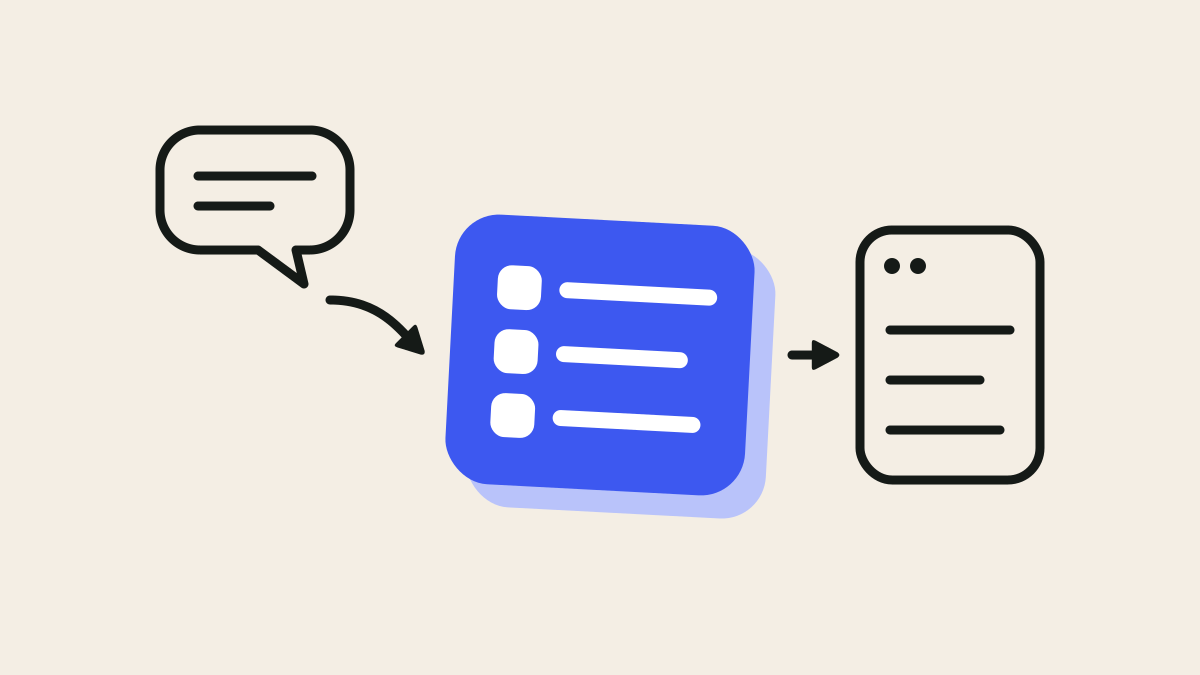
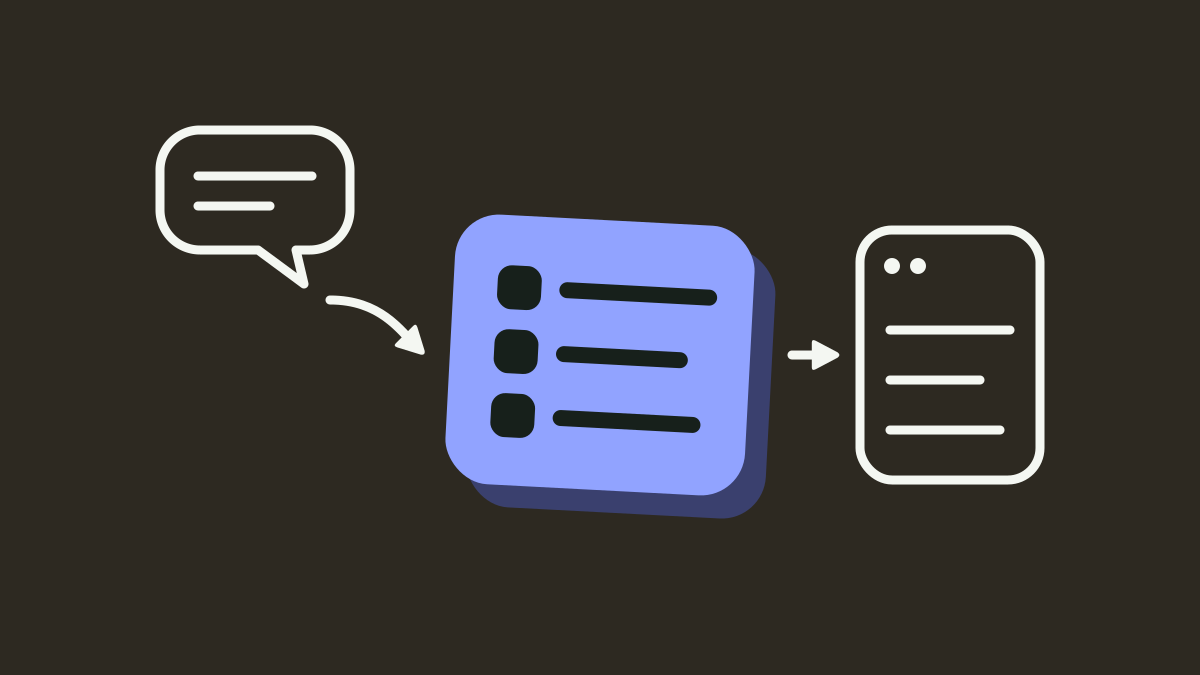
A concrete equipment repair scenario shows how AI Builder turns one request into objects, fields, relationships, views, permissions, actions, workflows, APIs, and agent tools.
App Development Developers -
Protocol-First Development: Why ObjectStack Chose Open Standards Over Proprietary Platforms
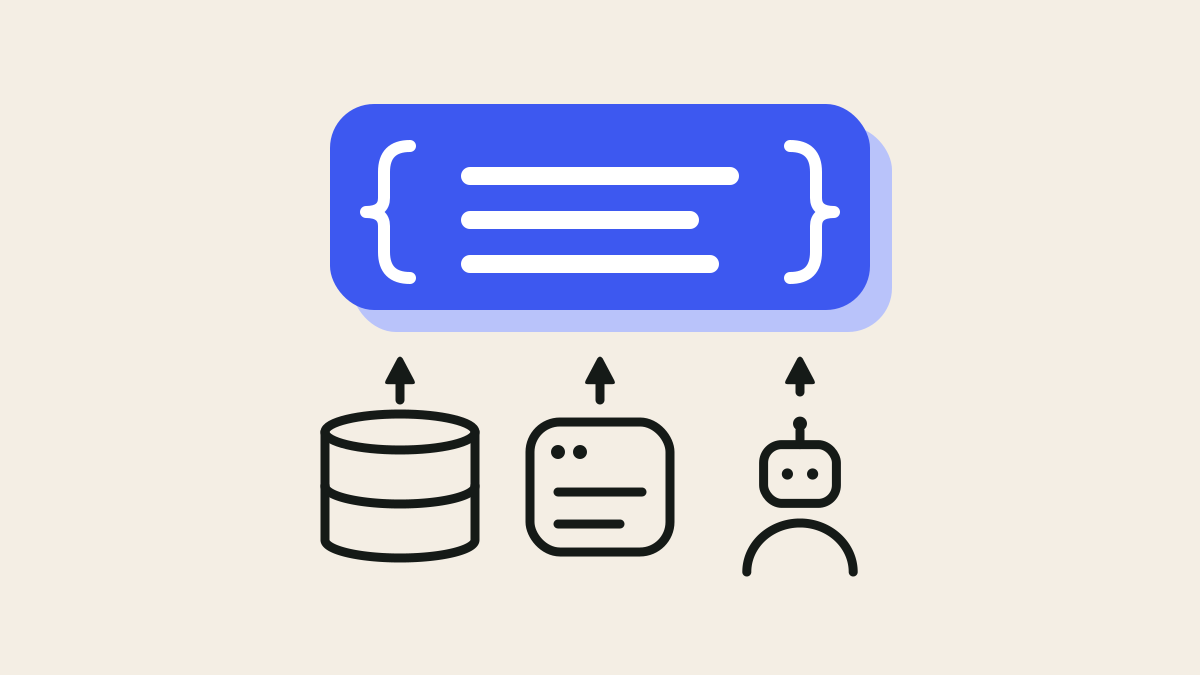
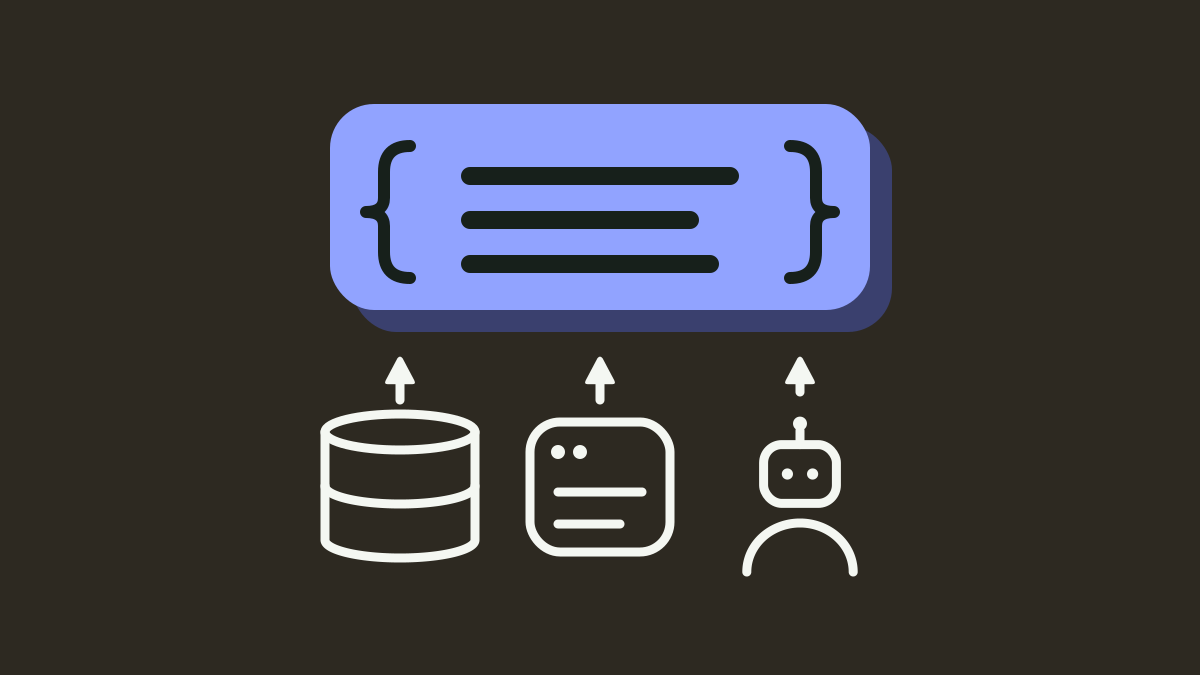
An in-depth exploration of protocol-first architecture, examining why open standards triumph over proprietary platforms for long-term sustainability, and how ObjectStack implements this philosophy.
App Development Developers Open protocolArchitectureOpen source -
The Architecture of Metadata-Driven Systems: From Salesforce to ObjectStack
A comprehensive analysis of how metadata-driven architectures evolved from enterprise platforms to modern protocol specifications, and why they represent the future of software development.
App Development Developers MetadataArchitectureSalesforceServiceNow