App Development
Articles about App Development, with practical notes on executable business ontologies, governed data, application development, and agent workflows.
-
How Do You Let Anonymous Visitors Submit a Form Into a Governed Business App? One Public Door, Five Fields Wide
Since v17 anonymous data access is always denied. The one open door is a public form view: the runtime derives a grant from the form itself — five fields in, one row created, only its id back. Measured on 18.3.0.
App Development Business Leaders Public formsWeb-to-leadAnonymous access -
Views, Dashboards and Apps Are Projections of the Ontology: What That Changes for Review
Add one field to a bundled ObjectStack app: the table, REST API, MCP describe call and Console form follow by themselves; the pinned views, dataset and translation do not. The naming test says which is which.
App Development Developers OntologyExecutable business ontologyReviewable diffMetadata review -
Validation Rule, Hook, or Flow? Where a Business Rule Should Live in an AI-Written App — One CRM, Seven Rules, Three Homes
Seven business rules on one CRM, three homes each could take. The choice is a table, not a taste: a predicate is a validation rule, a rewrite of the pending record is a hook, everything else is a flow, which reviews as data.
App Development Developers CRM AI agentsBusiness rules -
When Should You Not Use an Executable Business Ontology?
Five workloads where an executable business ontology is the wrong tool today, what to use instead, the cost of choosing wrong, and a sourced decision table.
App Development IT Leaders OntologyExecutable business ontologyWhen to use -
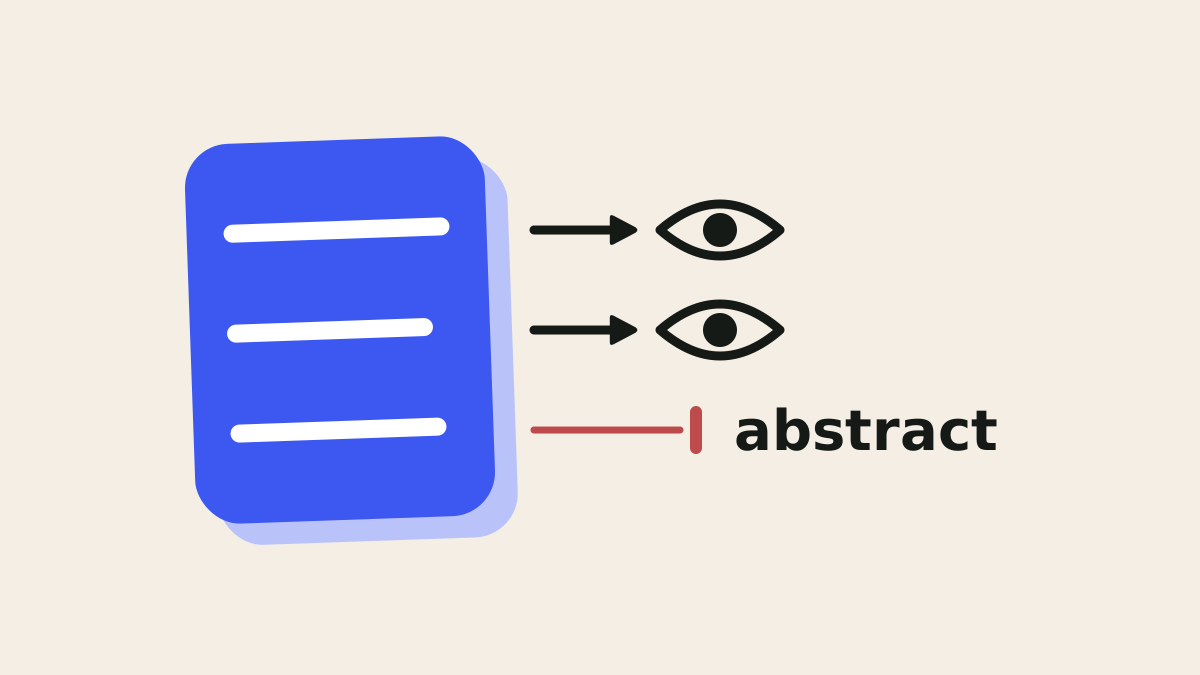
Executable Ontology vs Knowledge Ontology: Why "No Inheritance, No Axioms, No Reasoner" Is the Point
A knowledge ontology is built to be reasoned over; an executable business ontology is built to be validated and run. The proof is one key, abstract, that promised inheritance, did nothing, and was removed rather than kept.
App Development Developers OntologyExecutable business ontologyKnowledge graph -
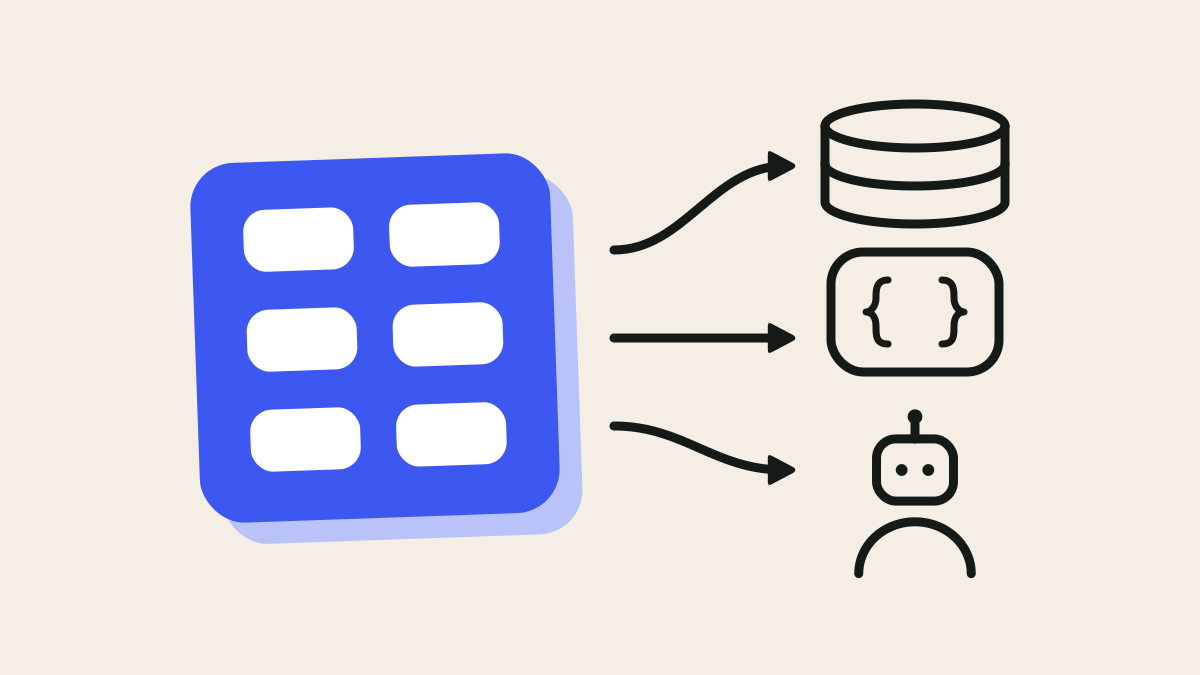
What Does "The Ontology Is the Software" Mean? An Executable Business Ontology, Defined
The line is ObjectStack's positioning; this is its definition. An executable business ontology has a six-kind core, four projections and three things it is not — and a test for telling core from projection.
App Development Developers OntologyExecutable business ontology -
Build a CRM With an AI Agent: The Whole Build, Including What Broke
One complete CRM built end to end — scaffold, three objects, an approval flow, a permission set. 2,406 measured tokens, 54 generated API operations, and the four defects caught before a human reviewed anything.
App Development Developers CRM AI agents -


How to Review AI-Generated Code: A Checklist for Metadata App Changes
A four-pass review order for AI-written app changes, worked on a real diff. The validation gate proves a change is enforceable; it never proves the change is correct. That third rung is the reviewer's whole job.
App Development Developers AI agentsAgent permissions -
Retool RBAC and Audit Logs: Evaluating Retool for Governed AI App Development
Retool RBAC, audit logs and access policies, checked against Retool's docs: what they govern in AI-generated apps, how Retool compares with Lovable for enterprise apps, and the authority gap left over.
App Development Developers RetoolRBACAudit logLovable -
Airtable Omni: Can You Edit What It Builds, and Who Approves the Change?
Airtable Omni builds a live app from one sentence. Yes, you can edit what it generates, down to element source code. But most changes apply as Omni builds, so review comes after the change, not before.
App Development Business Leaders AirtableAirtable Omni -
AI-Written Apps: Can You Review the Diff and Merge With Confidence?
AI can generate a working app in 30 minutes. The hard part is signing off on an 8,000-line PR you did not write. Reviewability, not speed, is the new moat.
App Development Developers -
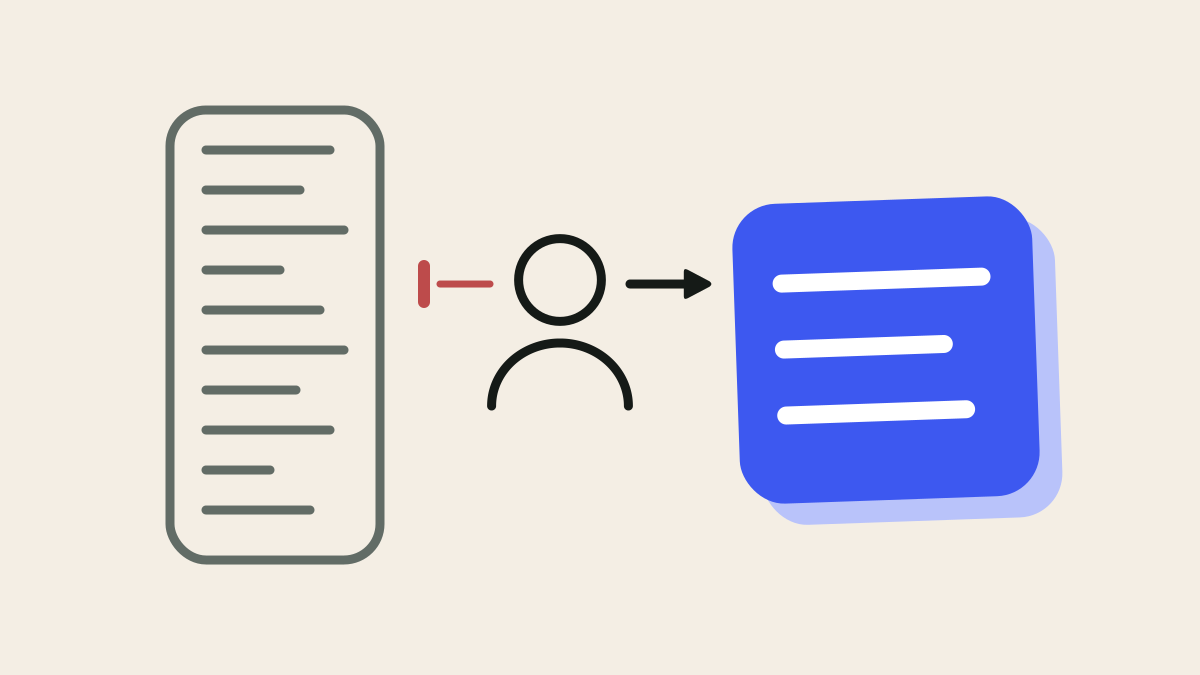
Vibe Coding Technical Debt: Why AI-Built Apps Become Hard to Change
A team's AI-built expense system ran fine for months until tax rules changed and no one dared touch its 12,000 lines of unread code. Why generating definitions beats generating code.
App Development IT Leaders -
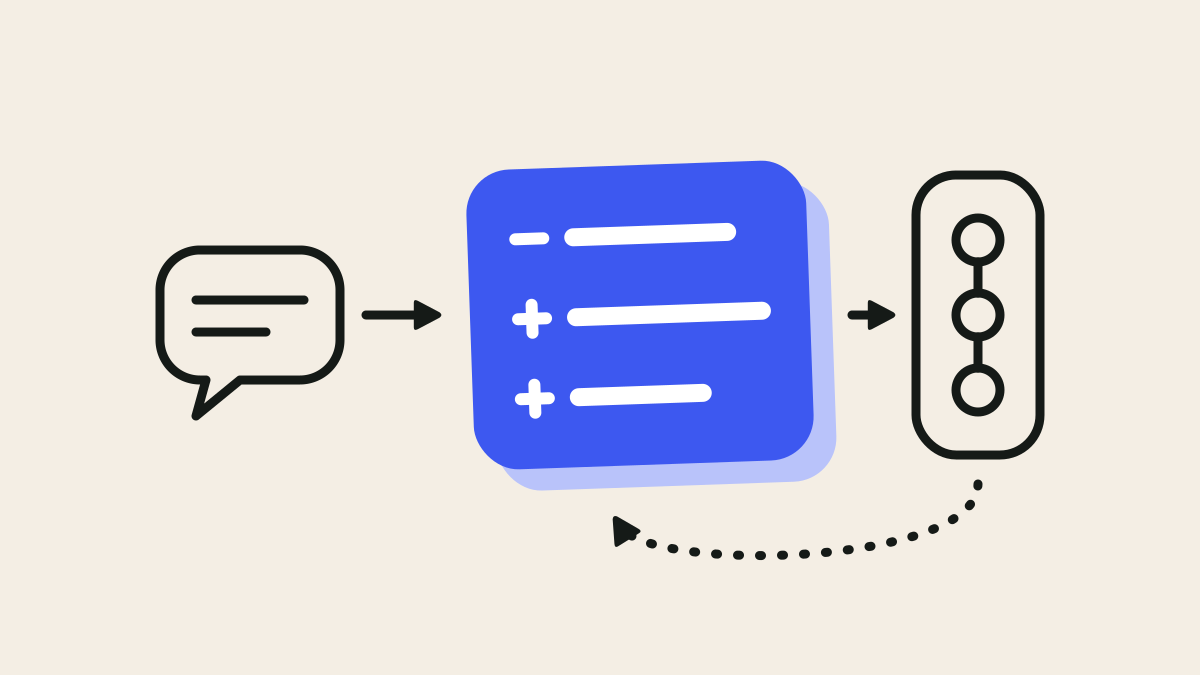
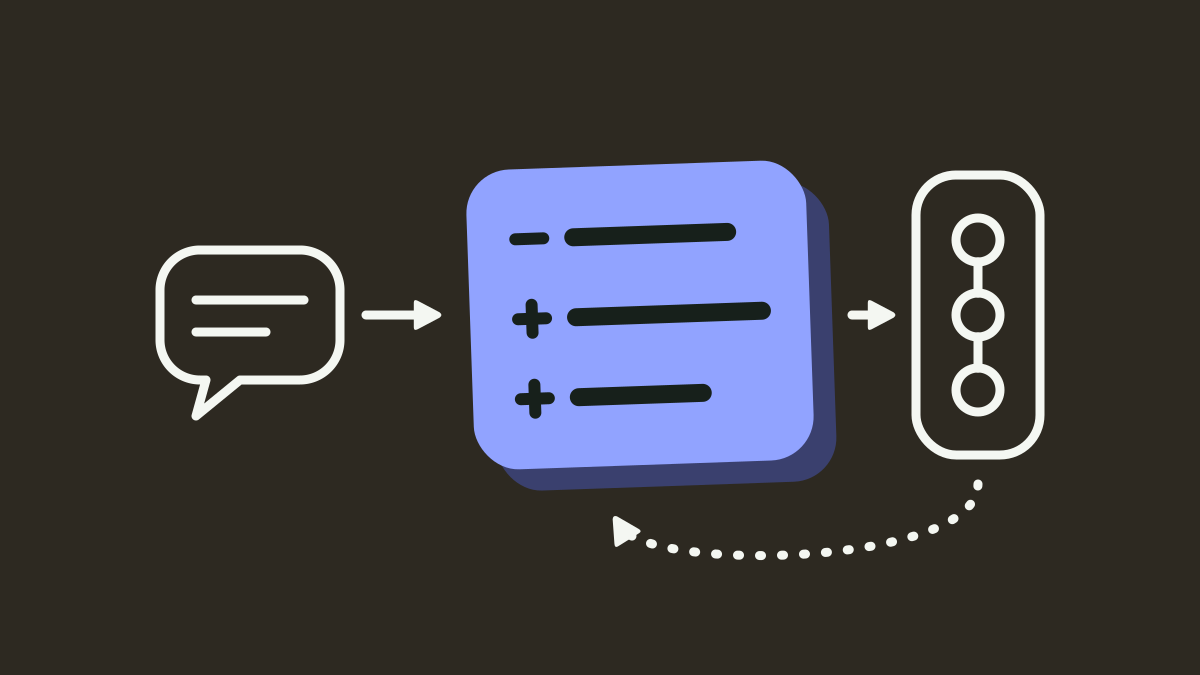
Natural Language Workflow Changes: How to Review an AI-Edited Flow Before It Ships
A sentence can change a business process in seconds. Whether it should is a review question. How a flow edit becomes a diff, a publish gate that refuses what it can prove wrong, and an audit row you can roll back to.
App Development Business Leaders -
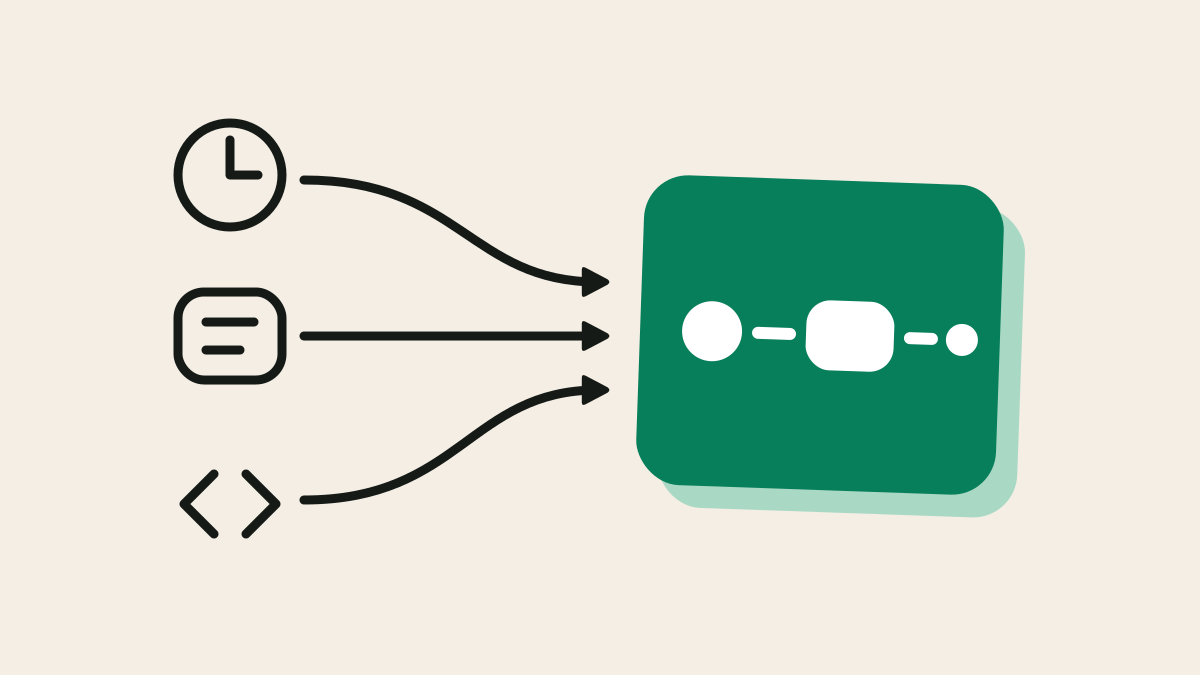
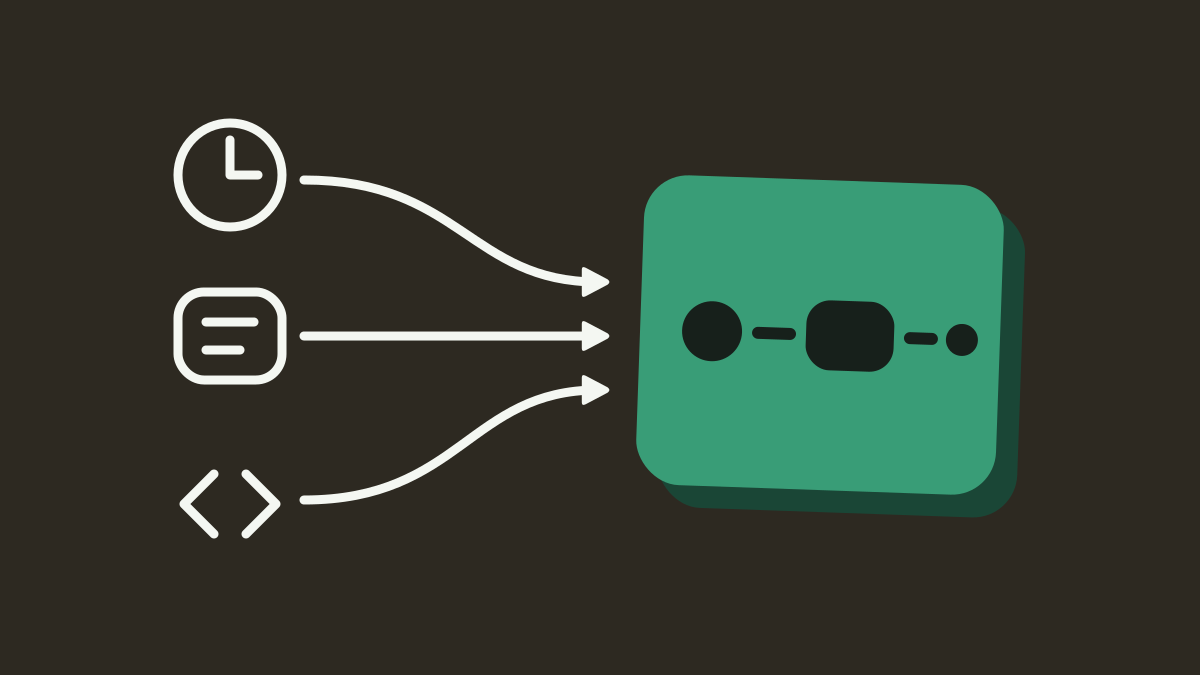
Automation Trigger Types: Record Changes, Schedules, Buttons, and Webhooks in One Flow
A flow can start from a record change, a clock, a date field, a button, or an inbound POST. Choosing the trigger is cheap. The expensive mistake is a flow that looks armed in the designer and is wired to nothing at runtime.
App Development Business Leaders -
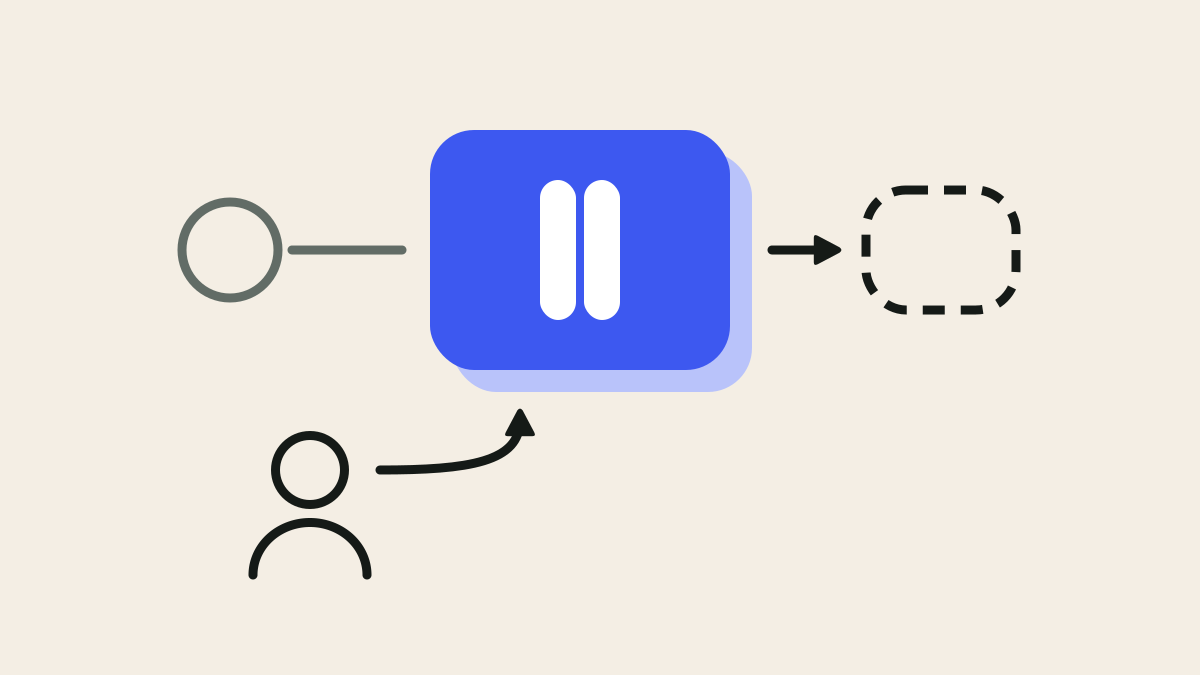
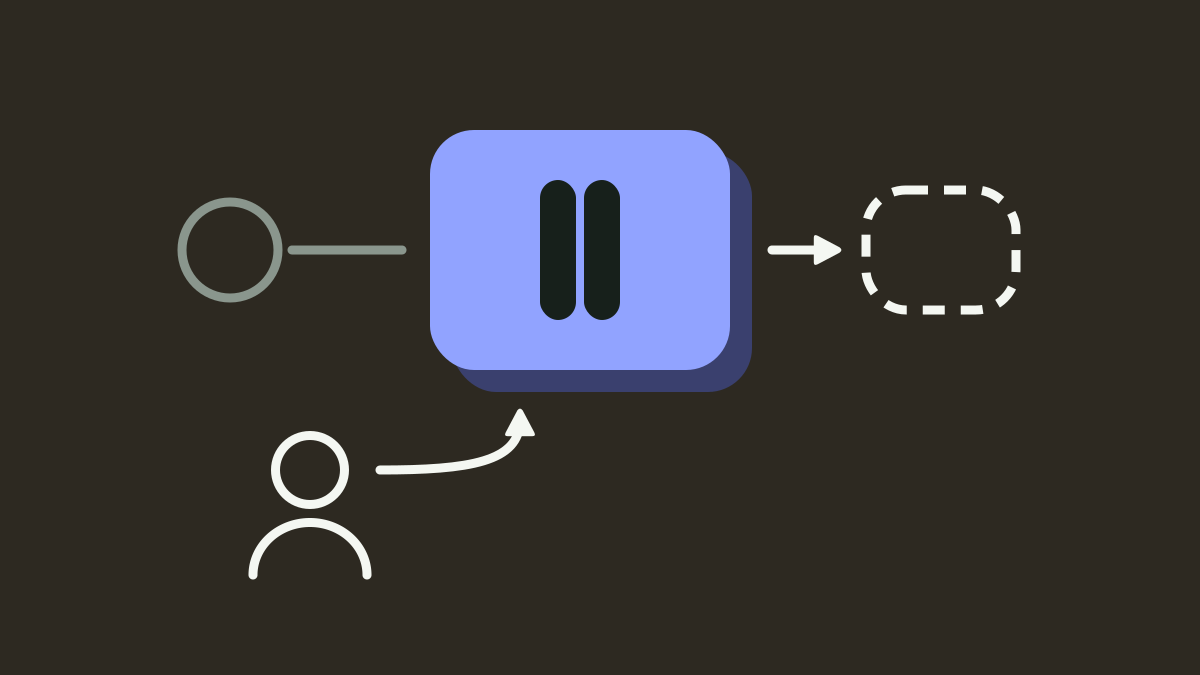
Workflow Pause and Resume: What a Long-Running Approval Needs to Survive
A flow that waits days for an approval has to park its state, survive a restart, and refuse the wrong caller. What durable pause and resume actually costs — and why a wait node with no deadline is the honest answer.
App Development Business Leaders -
Enterprise AI Automation Engine: How a Flow Decides, Waits, and Proves What It Did
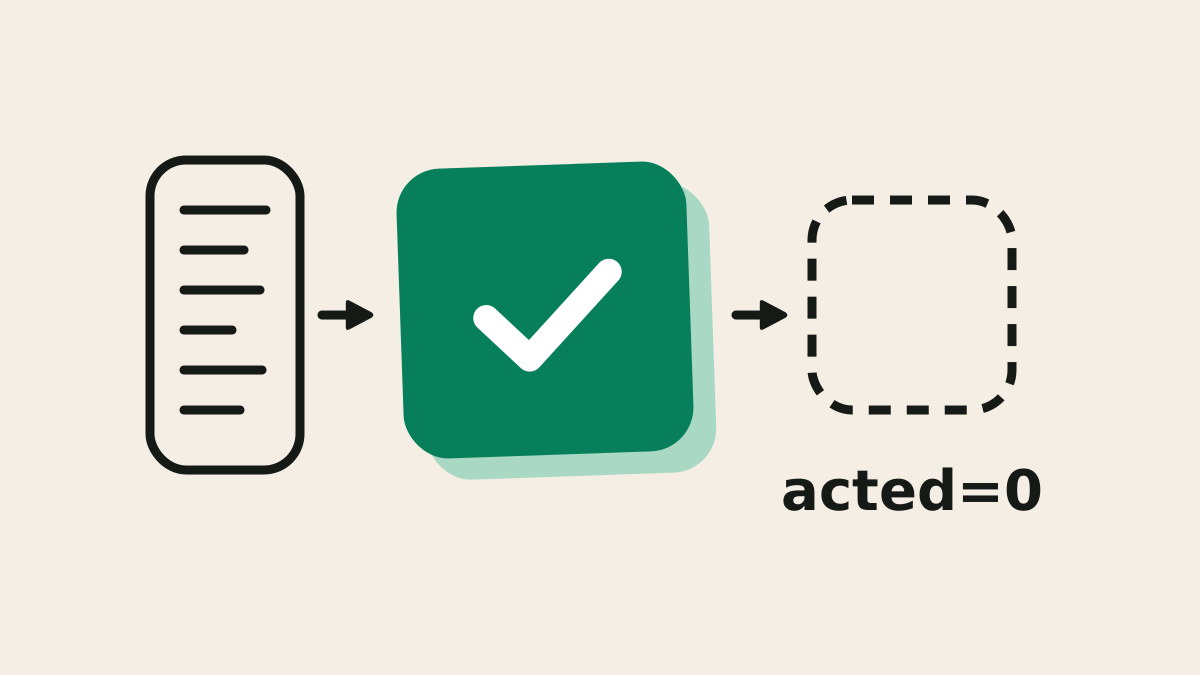
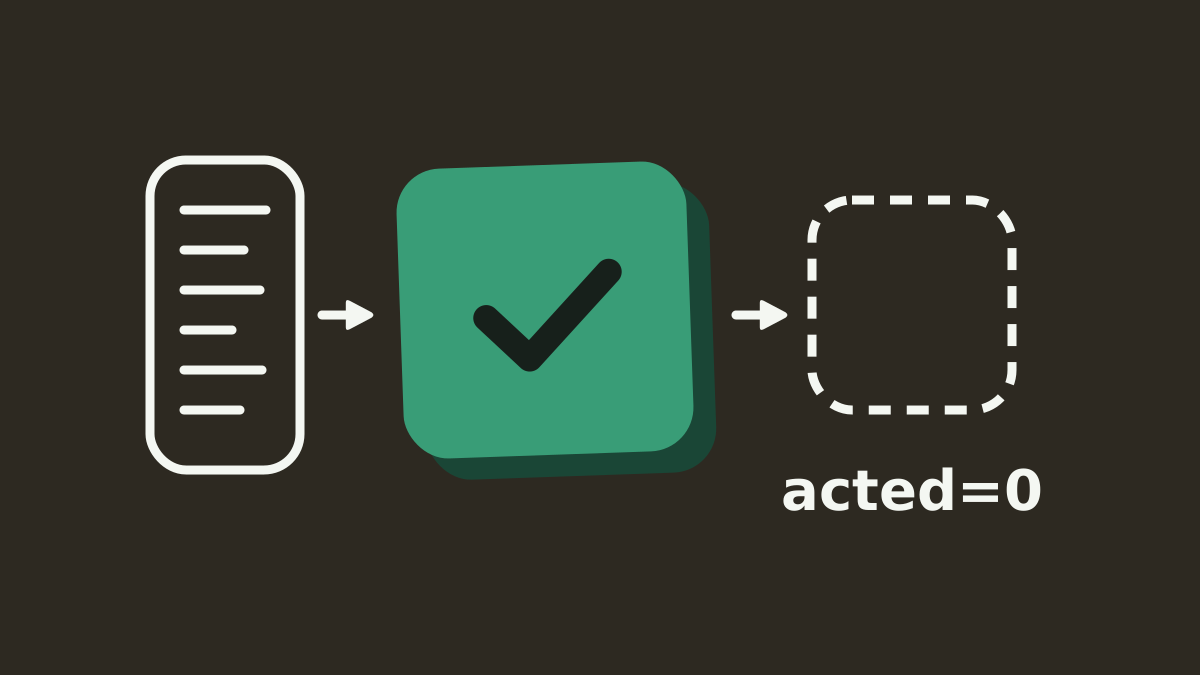
Trigger-and-forget automation cannot carry a business process. An enterprise automation engine has to branch on real conditions, park for a person, resume after a restart, and leave a run record that proves what it changed.
App Development Business Leaders -
Ontology Actions: How to Govern AI Agent Write Operations
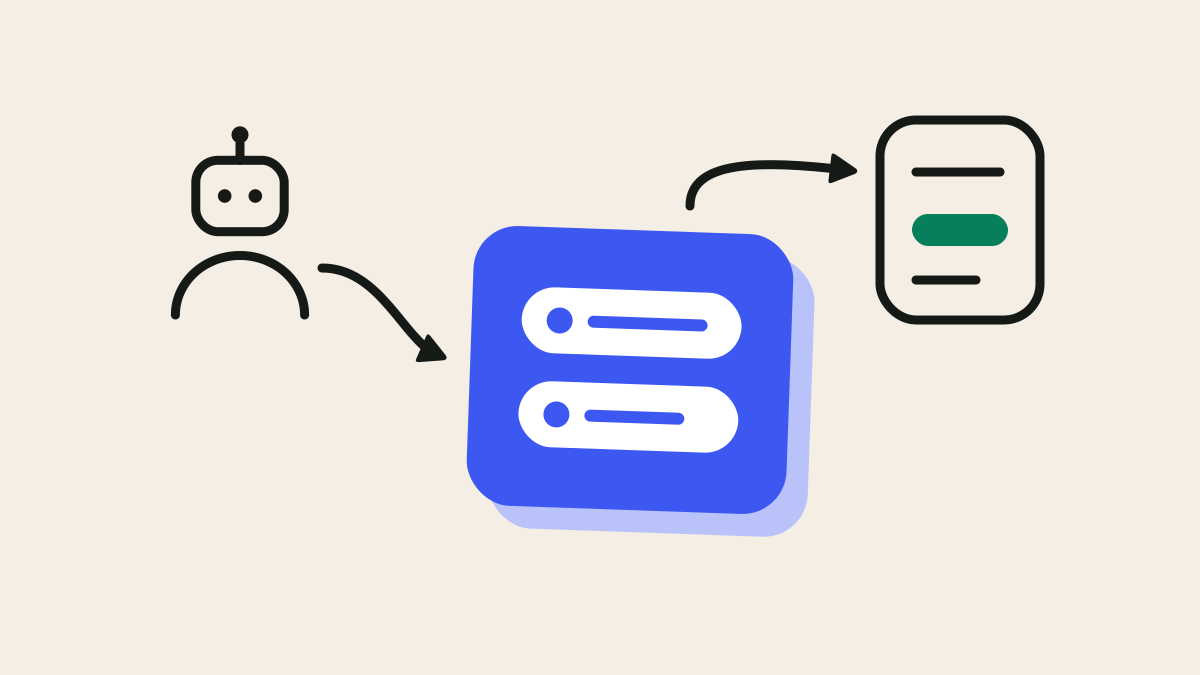
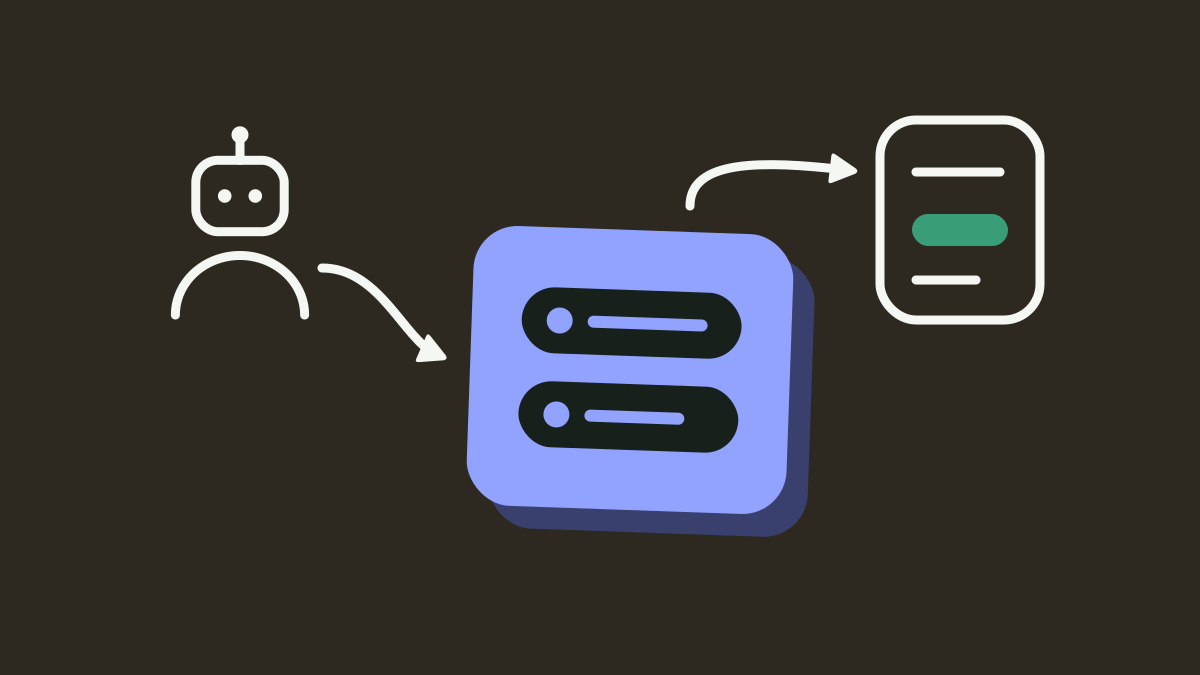
Enterprise ontology work stops at retrieval. When an agent has to change state, write operations need one governed definition — opt-in exposure, permission parity, confirmation and audit — not a second tool path beside your UI.
App Development Business Leaders OntologyGoverned toolsAI agents -
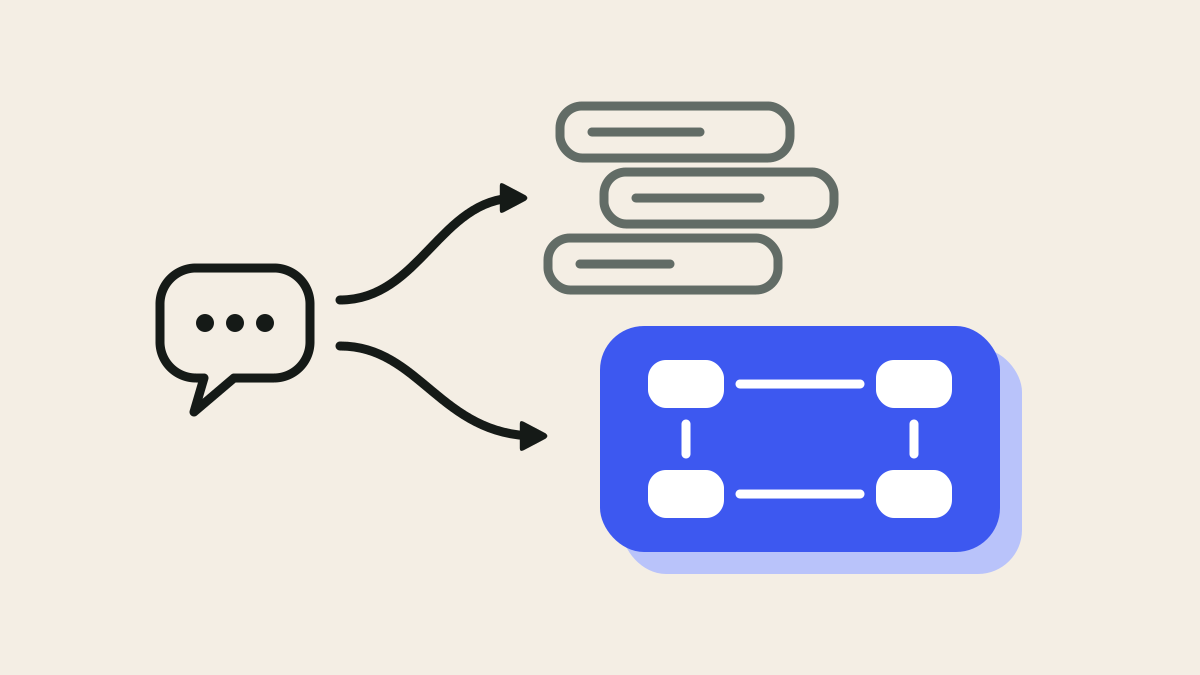
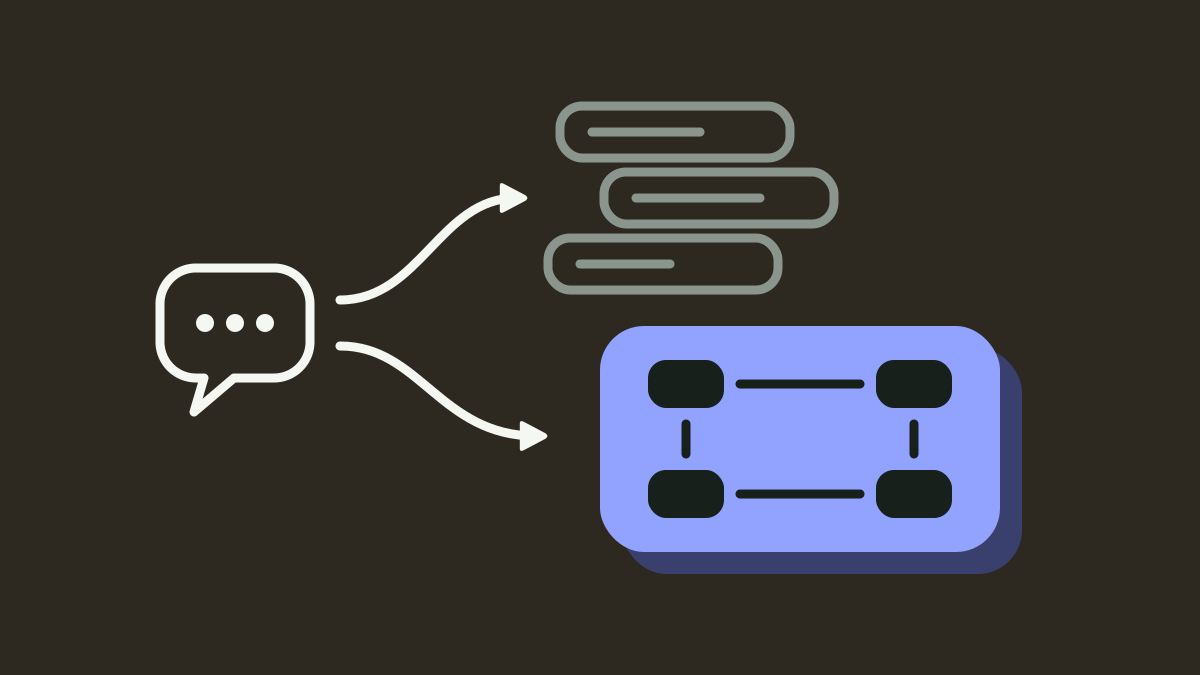
Metadata, Not Code Generation: What Makes AI-Built Apps Governable
Code generation can speed up prototypes, but enterprise applications need a metadata runtime where objects, fields, views, permissions, workflows, actions, and agent tools are governed together.
App Development Business Leaders -
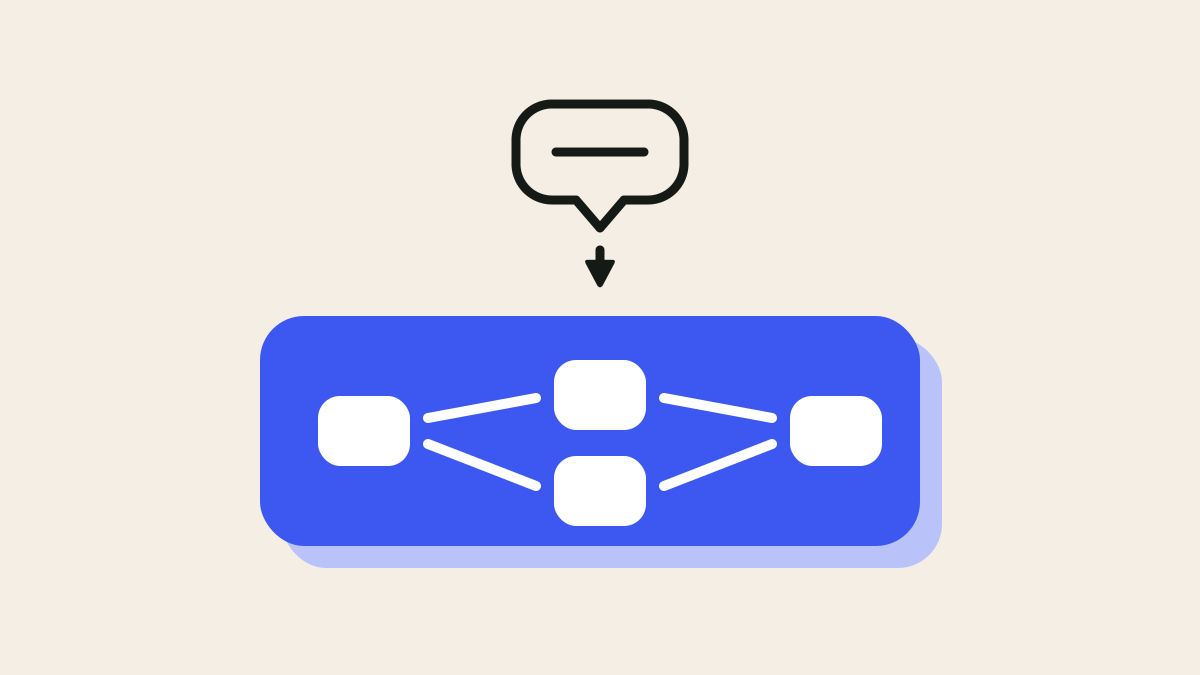
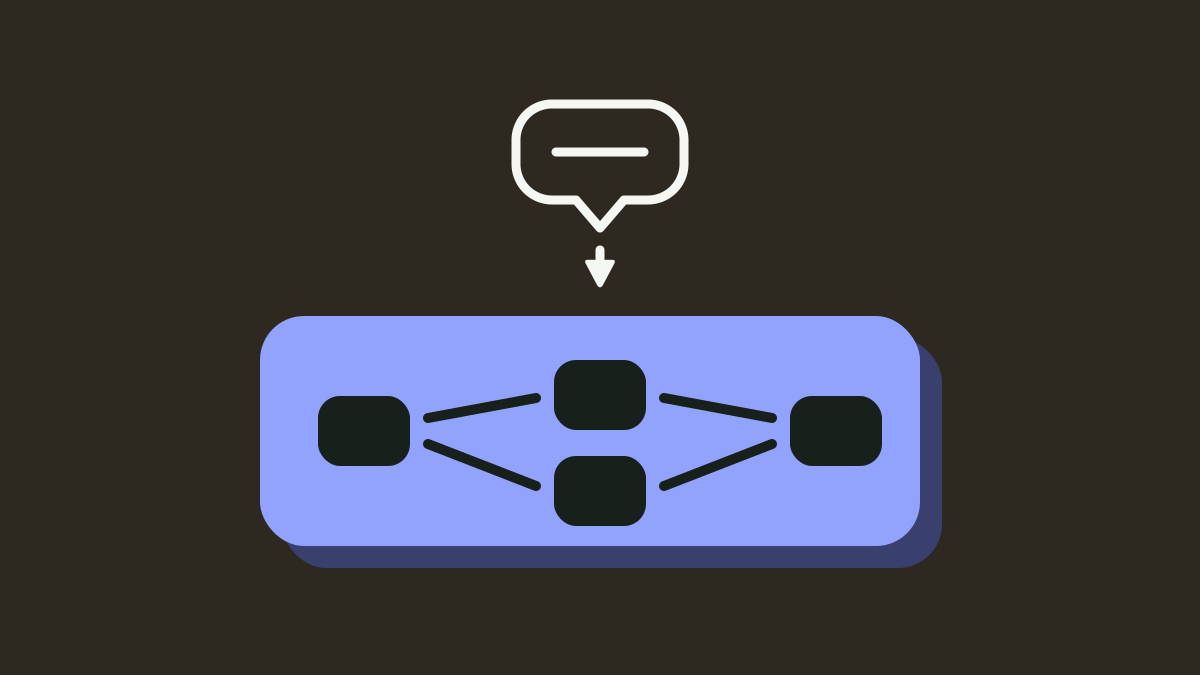
From a Sentence to a Governable App: How AI Generates App Metadata
The important part of AI Builder is not turning one sentence into pages, but decomposing a business request into objects, fields, views, workflows, permissions, automation, and agent tools.
App Development Business Leaders AI agents -
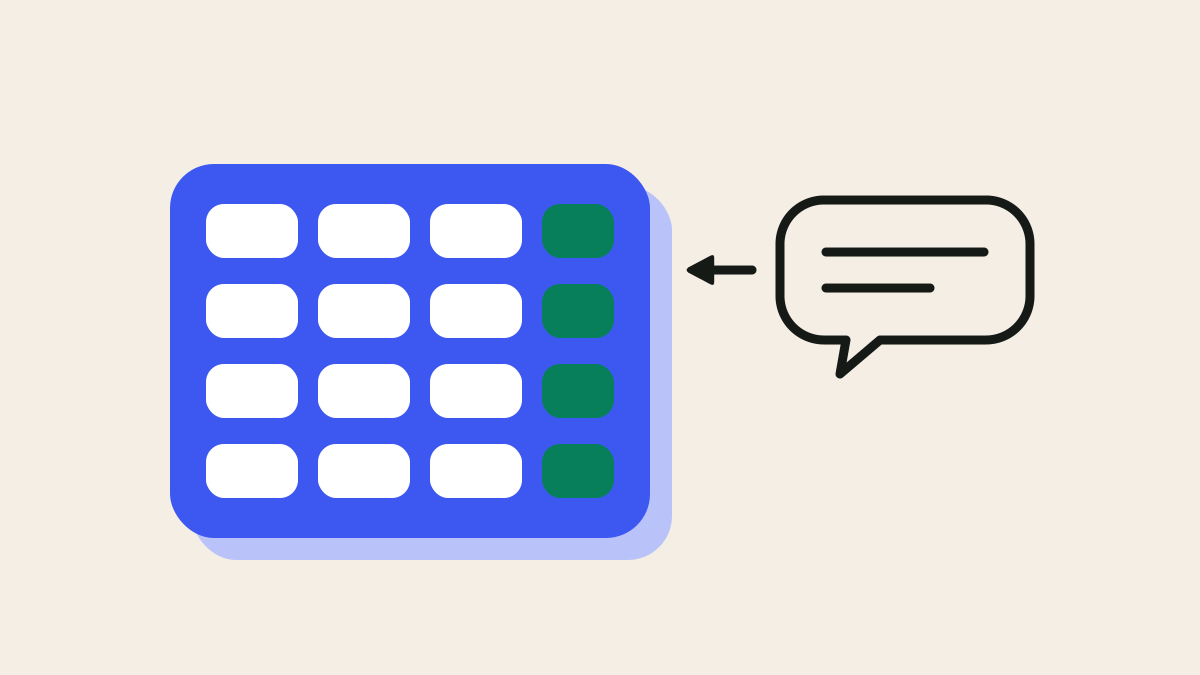
Airtable-Style AI App Builder: Build by Table, Change by Chat
A strong AI app builder combines table-based app building with natural-language iteration, while keeping objects, fields, views, permissions, and automation visible.
App Development Business Leaders Airtable -
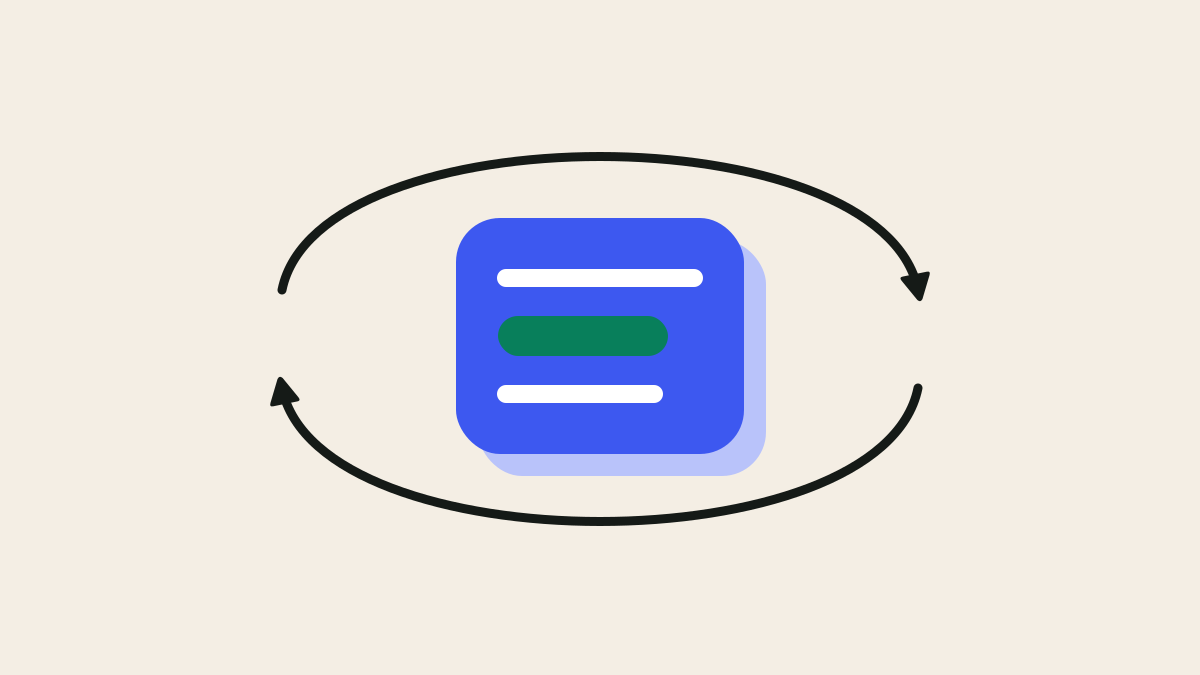
Edit Business Systems by Conversation: Add Fields and Change Flows
The real value of an AI builder is continuous conversational iteration: fields, workflows, views, permissions, and automation evolve through reviewable metadata changes.
App Development Business Leaders -
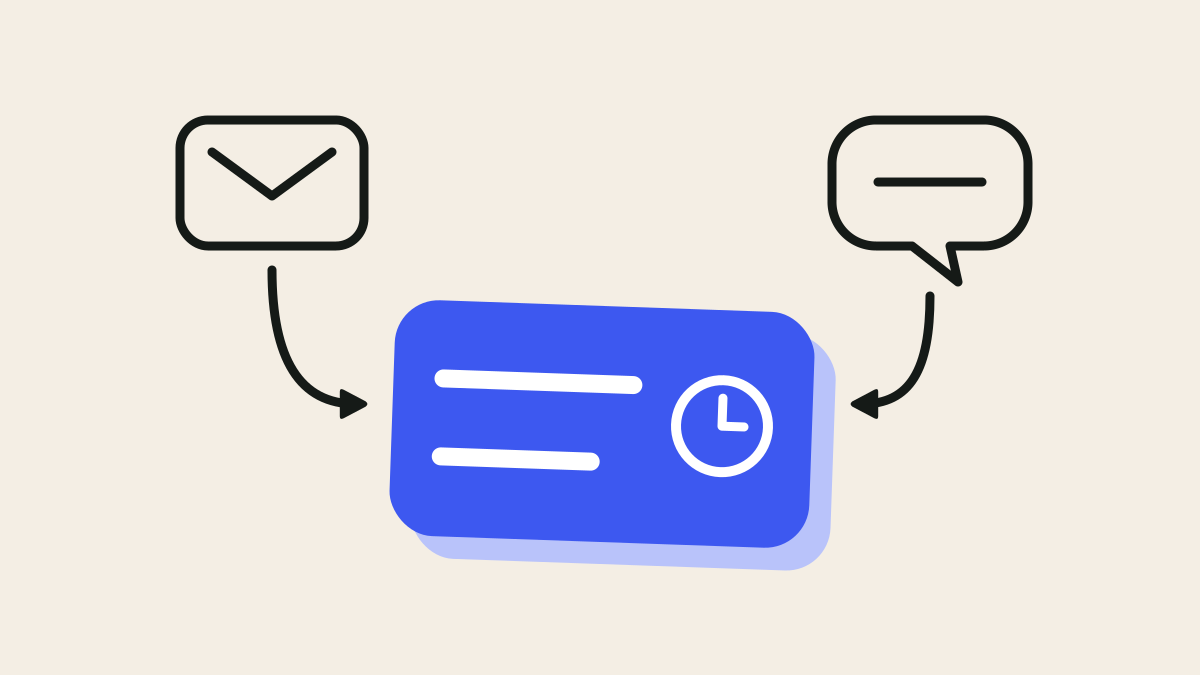
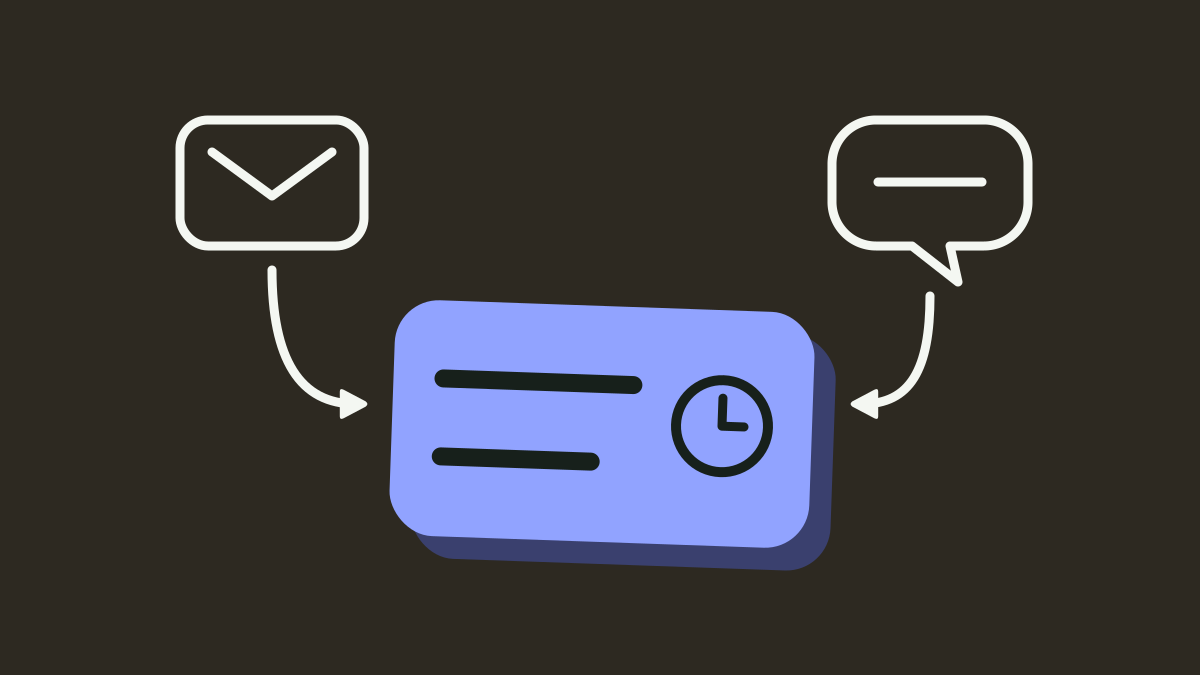
AI Ticket Hub: Build a Support System That Actually Reads the Customer's Problem
A support system should do more than queue issues. With metadata for cases, messages, SLA, knowledge, permissions, and agent tools, AI can understand customer problems and move work forward safely.
App Development Business Leaders Case ManagementCustomer Portals -
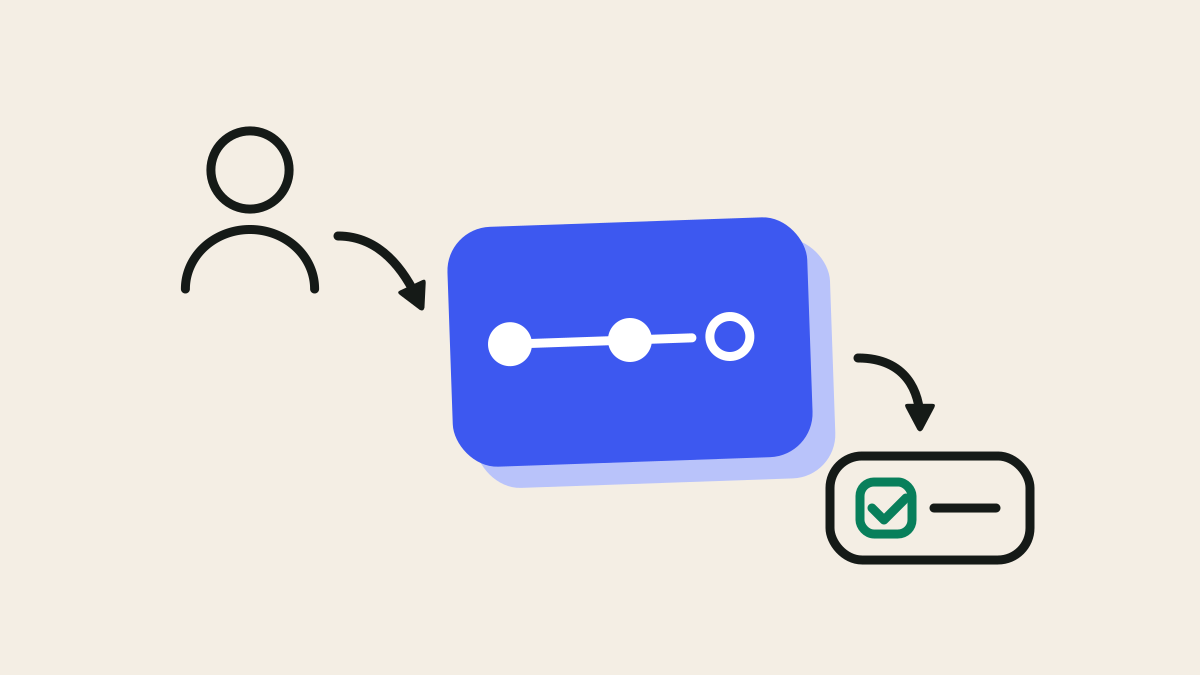
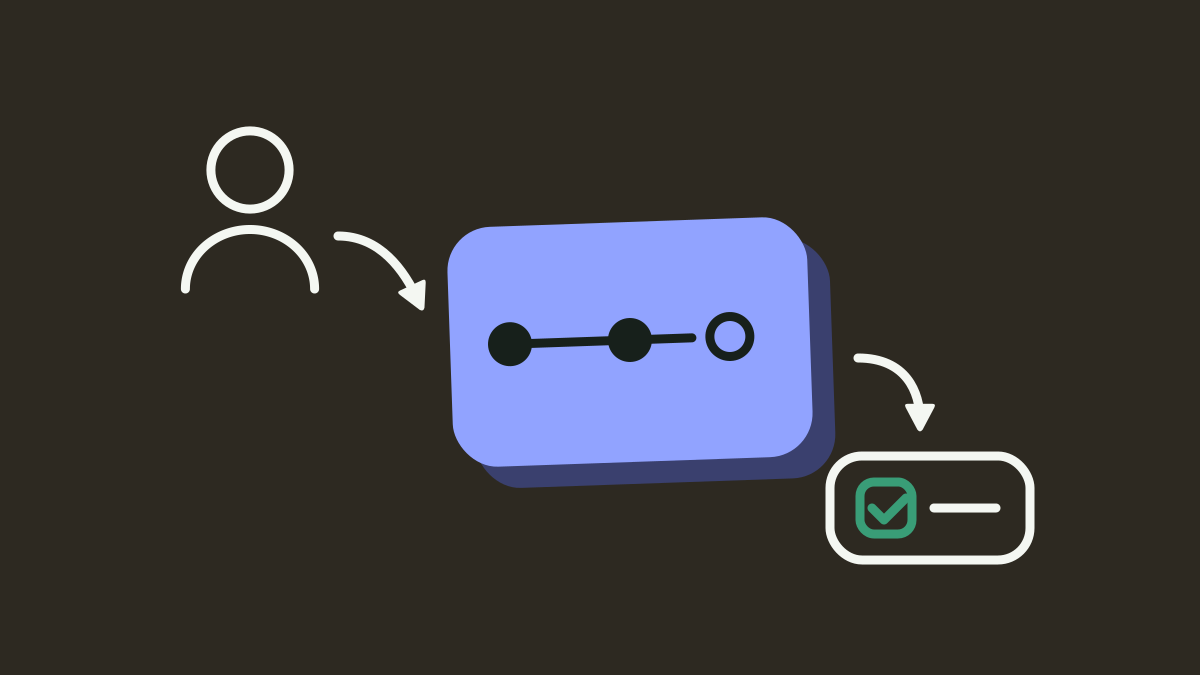
AI Sales Assistant: How to Update CRM Records and Suggest Next Steps
An AI sales assistant is not just auto-fill for CRM. Natural language can generate accounts, contacts, opportunities, activities, tasks, and agent tools so sellers work through conversation.
App Development Business Leaders CRM AI agents -
AI Project Management Assistant: Surfacing the Risk Hidden in Status Updates
An AI project assistant is not another board. It models projects, tasks, meetings, risks, changes, and action plans so AI can detect delays and blockers from everyday updates.
App Development Business Leaders -

AI Procurement Risk: How to Spot Supplier Risk Before Approval
An AI procurement decision app should not hide behind one supplier score. It should connect qualifications, quotes, contracts, orders, delivery, quality, and risk evidence into a conversational decision layer.
App Development Business Leaders Supply Chain & Procurement Manufacturing -
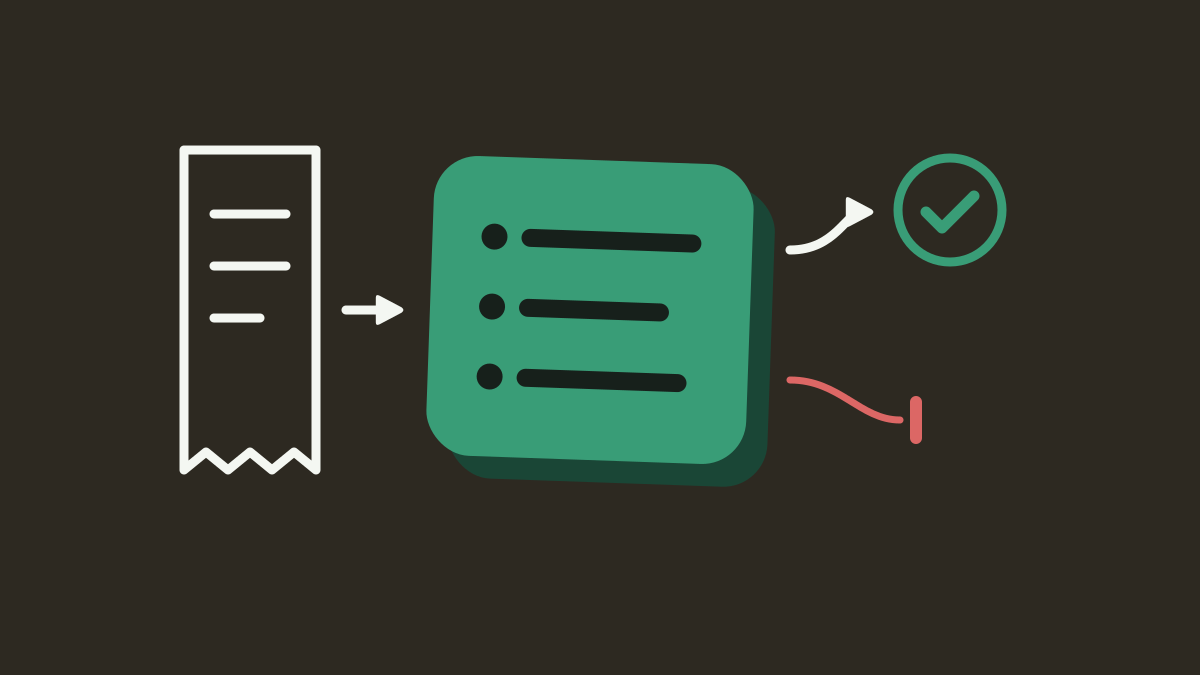
AI Expense Audit: Build a Finance App That Understands Policy, Not Just OCR
AI expense review is not only invoice recognition. It should model policies, budgets, projects, approvals, anomaly patterns, and audit records so finance can explain every recommendation.
App Development Business Leaders Financial Services -


AI Employee Service Center: How to Move Beyond HR, IT, and Admin Tickets
An AI employee service center is not a chat wrapper over HR, IT, and admin tickets. It models service catalogs, knowledge, requests, approvals, and governed agent actions.
App Development Business Leaders HR & Internal AppsCase Management -
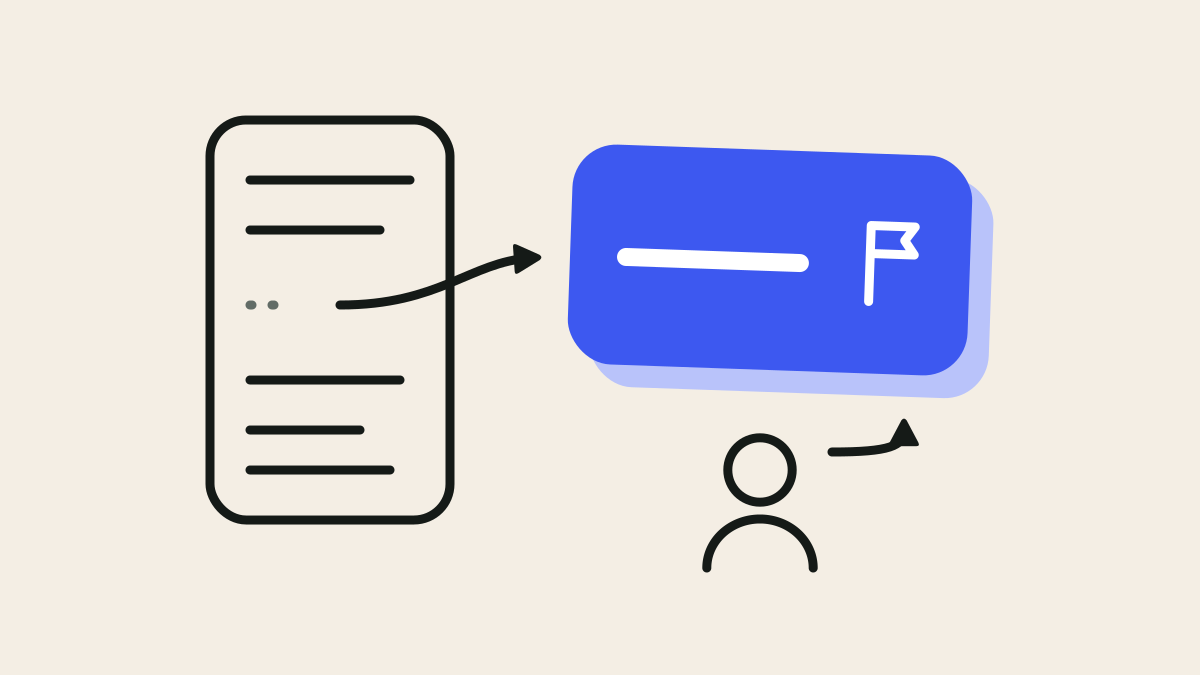
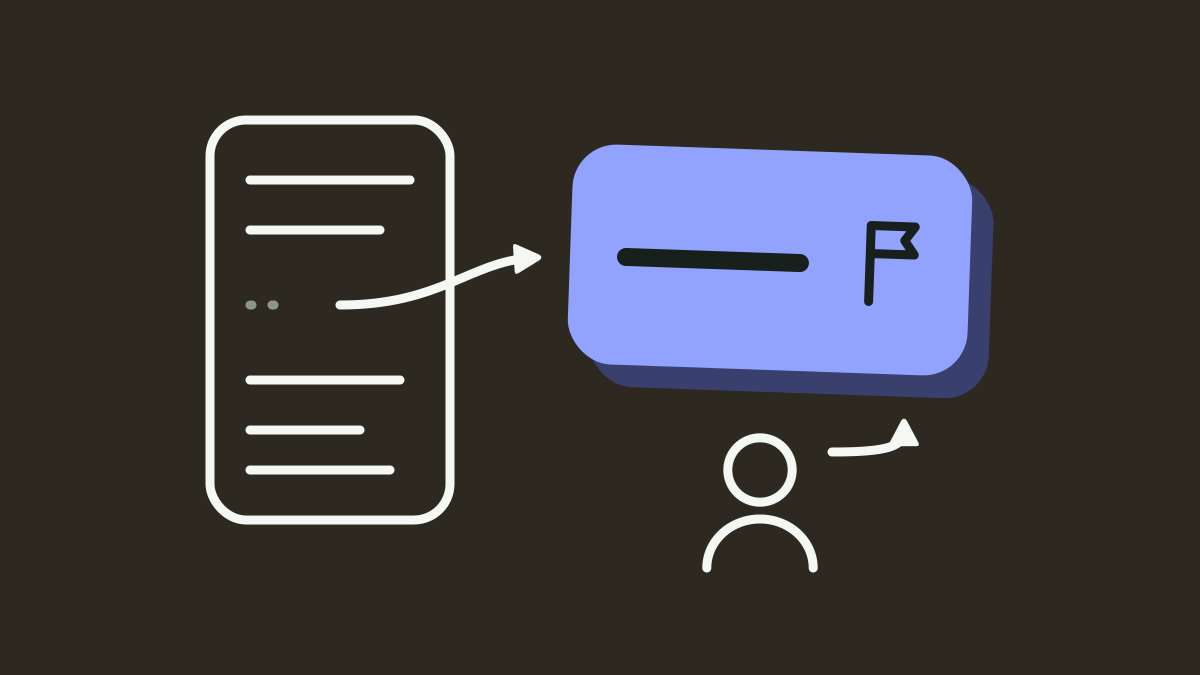
AI Contract Review: Build an App That Flags Clause and Obligation Risk First
The value of an AI contract app is not summarization. It is turning contract types, clauses, obligations, risk rules, approvals, and audit into metadata that legal and business teams can use together.
App Development Business Leaders Financial Services -
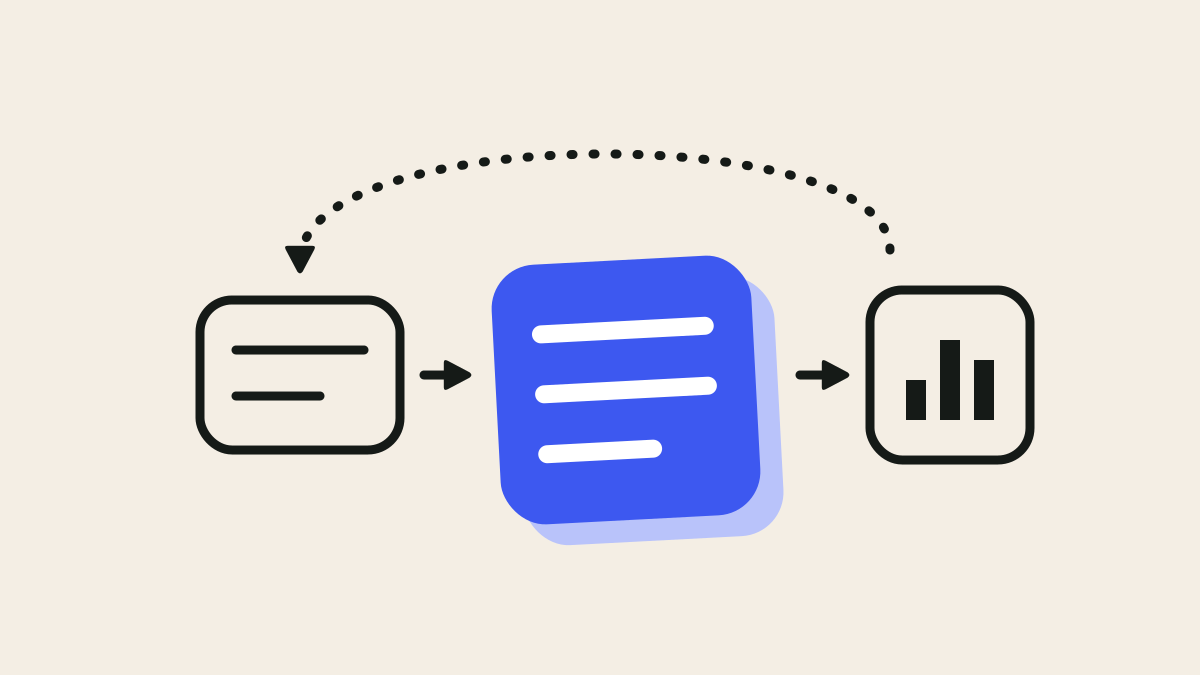
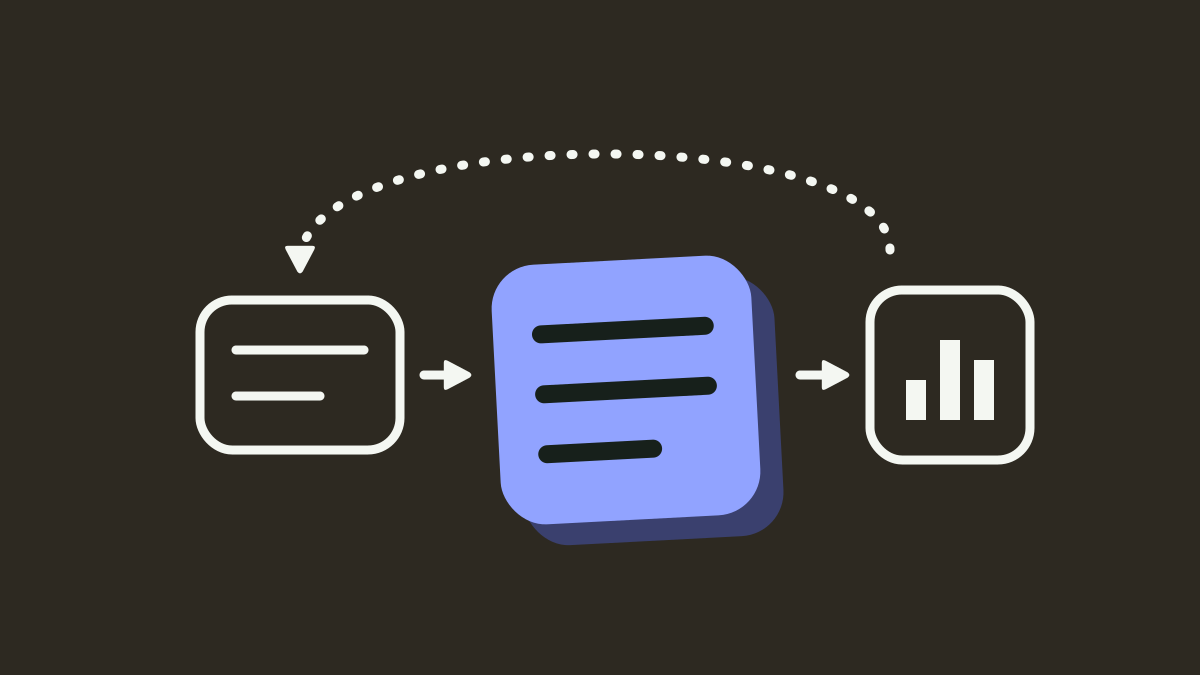
AI Content Workbench: From Ideas to Publishing and Retrospectives
Content teams need more than a writing box. Natural language can build topics, sources, briefs, drafts, reviews, publishing, and metrics so AI participates in the full content workflow.
App Development Business Leaders Telecom & Media -
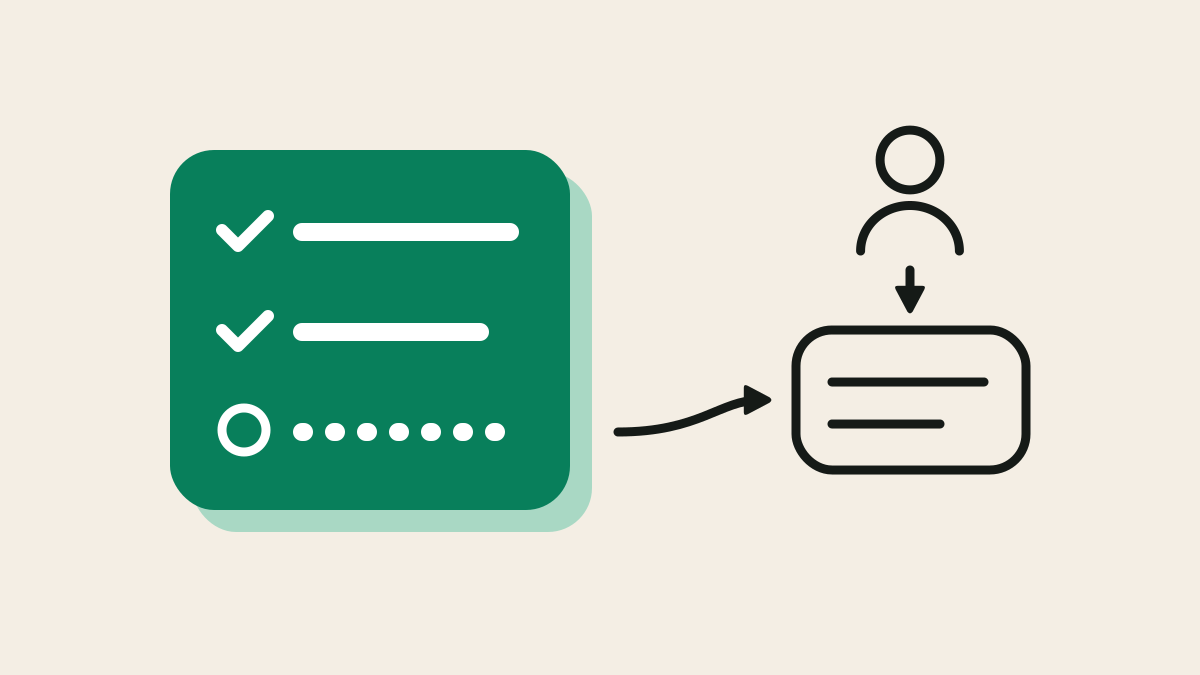
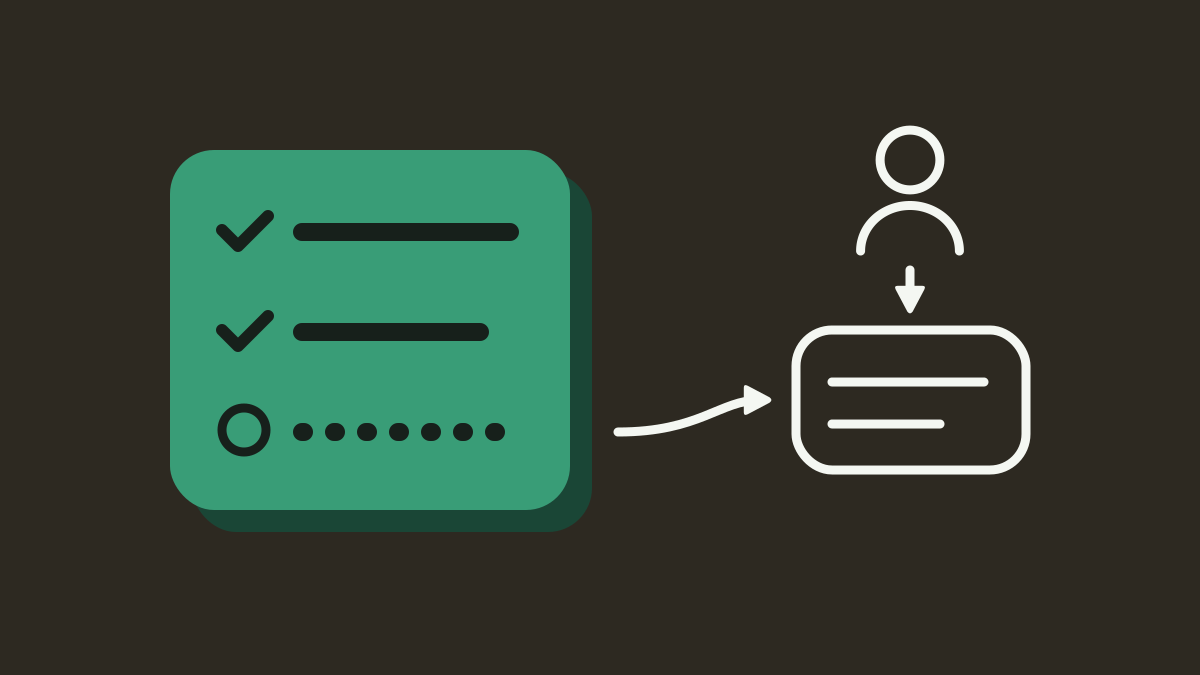
AI Compliance and Internal Controls: Stop Checking Policies by Hand
An AI internal control app is not only policy Q&A. It turns policy clauses, controls, evidence, gaps, remediation, and audit records into a closed-loop compliance workflow.
App Development IT Leaders Financial Services -

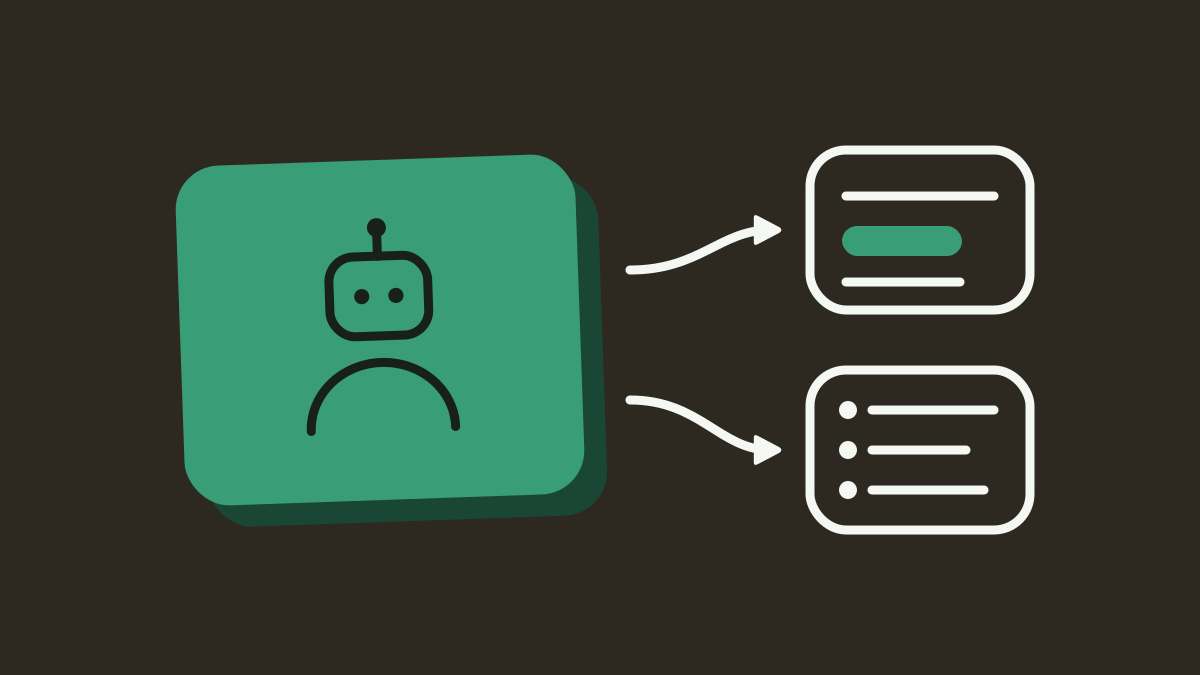
AI Agent Workbench: How Agents Execute Tasks Inside Business Systems
Enterprise agents must do more than chat. They need business objects, tools, permissions, approvals, and audit boundaries so natural-language intent can become controlled execution.
App Development IT Leaders Governed toolsAI agentsAgent permissions -
From Requirement to Running App: How AI Generates Reviewable Metadata
A concrete equipment repair scenario shows how AI Builder turns one request into objects, fields, relationships, views, permissions, actions, workflows, APIs, and agent tools.
App Development Developers -
Low-Code vs. AI-Native App Platforms: Where Complex Business Breaks
Low-code helps teams build pages and workflows faster, but complex business systems depend on objects, permissions, integrations, change control, and maintainability.
App Development IT Leaders HR & Internal AppsCase Management -
Protocol-First Development: Why ObjectStack Chose Open Standards Over Proprietary Platforms
An in-depth exploration of protocol-first architecture, examining why open standards triumph over proprietary platforms for long-term sustainability, and how ObjectStack implements this philosophy.
App Development Developers Open protocolArchitectureOpen source -

The Architecture of Metadata-Driven Systems: From Salesforce to ObjectStack
A comprehensive analysis of how metadata-driven architectures evolved from enterprise platforms to modern protocol specifications, and why they represent the future of software development.
App Development Developers MetadataArchitectureSalesforceServiceNow